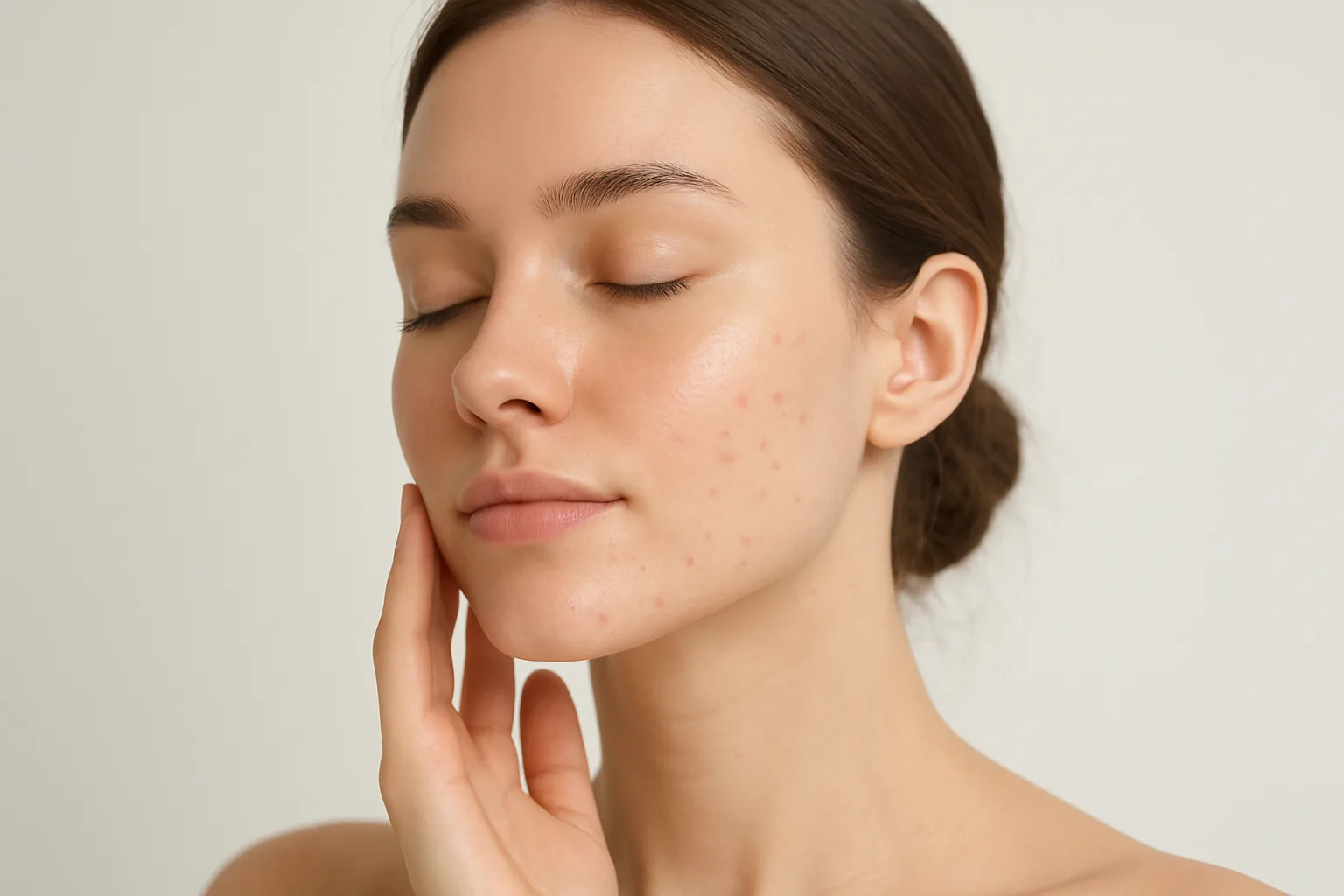
How to Get Rid of Acne: A Complete, Science-Backed Guide
Acne is frustrating in a way that's hard to explain to someone who's never dealt with it. It's physically uncomfortable, sure. But it's also the constant awareness that your face is different today than it was yesterday. The anxiety before looking in a mirror. The careful lighting checks. The foundation that never quite covers everything.
If you're here, you've probably tried a bunch of things already. Maybe some worked temporarily. Maybe nothing worked at all. Maybe you're just tired of dealing with it and want answers that actually make sense.
This is the complete guide to understanding and treating acne. We'll cover what's actually happening in your skin, what causes it, and most importantly, what works based on science, not marketing.
What Is Acne, Really?
Acne happens when your pores get clogged with oil, dead skin cells, and bacteria. That's the simple version. Here's what's actually going on:
The Acne Formation Process
Step 1: Excess Oil Production Your sebaceous glands produce oil (sebum) to keep your skin moisturized. Sometimes they produce too much, usually triggered by hormones, genetics, or inflammation.
Step 2: Dead Skin Cell Buildup Your skin constantly sheds dead cells. In acne-prone skin, these cells stick together and don't shed properly. They mix with excess oil and plug up your pores.
Step 3: Bacterial Overgrowth C. acnes bacteria (yes, that's really what it's called) lives on everyone's skin. In clogged pores, it multiplies like crazy. Your immune system notices and sends inflammatory cells to fight it.
Step 4: Inflammation This immune response causes redness, swelling, and pain. The more intense the inflammation, the bigger and more painful the pimple.
That's acne. Clogged pore, bacteria, inflammation, angry skin.
Types of Acne (And Why It Matters)
Different types of acne need different treatments. Here's how to identify what you're dealing with:
Comedonal Acne (Non-Inflammatory)
Blackheads (Open Comedones)
- Small dark spots, usually on nose and chin
- Open pores filled with oxidized oil and debris
- Not dirt (you can't scrub them away)
- Usually not painful
Whiteheads (Closed Comedones)
- Small white or flesh-colored bumps
- Closed pores filled with oil and dead cells
- Can be all over face
- Mildly annoying but not painful
What works: BHA (salicylic acid), retinoids, gentle exfoliation
Inflammatory Acne
Papules
- Red, raised bumps without a white head
- Tender to touch
- Result of inflammation in clogged pores
- Can leave dark marks when they heal
Pustules
- Red bumps with white or yellow pus-filled center
- What most people call "pimples"
- Contain dead white blood cells
- Don't pop them (seriously, don't)
What works: Benzoyl peroxide, BHA, anti-inflammatory ingredients like niacinamide
Severe Acne
Nodules
- Large, hard, painful lumps deep under skin
- No visible head
- Can last weeks or months
- Often leave scars
- This is cystic acne territory
Cysts
- Large, pus-filled lumps deep under skin
- Very painful
- High risk of scarring
- Need professional treatment
What works: See a dermatologist. These usually need prescription treatment (oral antibiotics, isotretinoin, or hormonal therapy).
Hormonal Acne
Characteristics:
- Appears around jawline, chin, and neck
- Flares before menstrual period
- Deep, painful cysts
- Starts or worsens in your 20s-30s
- Often comes with other hormonal symptoms
What causes it: Hormone fluctuations (especially androgens) trigger excess oil production and inflammation.
What works: Spironolactone (prescription), birth control (for some), topical retinoids, consistent routine
Fungal Acne (Not Actually Acne)
Characteristics:
- Tiny, uniform bumps that itch
- Clusters on forehead, chest, or back
- Don't respond to regular acne treatments
- Gets worse in heat and humidity
What causes it: Overgrowth of Malassezia yeast, not bacteria.
What works: Antifungal treatments (ketoconazole, sulfur), stop using oils that feed the yeast
What Causes Acne? The Real Triggers
Understanding your triggers helps prevent future breakouts:
Hormones (The Biggest Factor)
- Puberty, periods, pregnancy, menopause
- PCOS and other hormonal conditions
- Starting or stopping birth control
- Stress (increases cortisol, which affects other hormones)
Genetics
If both parents had acne, you have an 80% chance of having it. If one parent had it, 50% chance. Thanks, DNA.
Diet (Yes, It Matters)
Foods that can worsen acne:
- High-glycemic foods (white bread, sugar, processed carbs)
- Dairy (especially skim milk)
- Whey protein supplements
- Foods you personally react to (varies by person)
Why: High-glycemic foods spike insulin, which increases oil production and inflammation. Dairy contains hormones that can trigger breakouts.
Skincare and Makeup
- Heavy, pore-clogging products
- Over-cleansing (strips skin, triggers more oil production)
- Not removing makeup before bed
- Using dirty makeup brushes or touching your face
- Products with comedogenic ingredients
Lifestyle Factors
- Not changing pillowcases (bacteria buildup)
- Phone pressed against face (bacteria transfer)
- Tight hats or helmets (friction and trapped sweat)
- Picking at skin (spreads bacteria, causes scarring)
- High stress levels (hormones again)
Environmental Factors
- Humidity and heat (more sweat, more bacteria)
- Pollution (clogs pores, increases inflammation)
- Chlorine from swimming pools
Ingredients That Actually Work for Acne
Let's talk about what the science says works:
Salicylic Acid (BHA)
What it does: Oil-soluble acid that penetrates pores to dissolve clogs and reduce inflammation Concentration: 0.5-2% for daily use Best for: Blackheads, whiteheads, mild inflammatory acne How to use: Cleansers, toners, or leave-on treatments 1-2x daily
Pros: Effective, available over-the-counter, good for ongoing prevention Cons: Can be drying, not strong enough for severe acne alone
Learn more about BHA in our ingredients glossary.
Benzoyl Peroxide
What it does: Kills C. acnes bacteria and reduces inflammation Concentration: 2.5-10% (2.5% is as effective with less irritation) Best for: Inflammatory acne (papules and pustules) How to use: Start with 2.5% gel or face wash, once daily
Pros: Highly effective, bacteria can't become resistant to it Cons: Can bleach fabrics, drying, can cause initial purging
Retinoids (Retinol, Adapalene, Tretinoin)
What it does: Increases cell turnover, prevents pores from clogging, anti-inflammatory Types:
- Retinol (OTC, weakest)
- Adapalene/Differin (OTC, stronger)
- Tretinoin (prescription, strongest)
Best for: All types of acne, also treats acne scars and aging How to use: Start 2-3x weekly at night, gradually increase
Pros: Treats acne and prevents it, bonus anti-aging benefits Cons: Initial purging (gets worse before better), photosensitivity, can be irritating
Niacinamide (Vitamin B3)
What it does: Reduces inflammation, regulates oil, fades dark spots Concentration: 2-10% Best for: All acne types, especially good for sensitive skin How to use: Morning and/or evening serum
Pros: Gentle, multiple benefits, plays well with other ingredients Cons: Less powerful than acids or retinoids alone
Azelaic Acid
What it does: Antibacterial, anti-inflammatory, fades dark spots Concentration: 10% OTC, 15-20% prescription Best for: Acne + hyperpigmentation, rosacea-type acne, sensitive skin How to use: Once or twice daily
Pros: Gentle, treats acne and the marks it leaves Cons: Can cause mild tingling initially
Sulfur
What it does: Absorbs oil, antibacterial, anti-inflammatory Concentration: 3-10% Best for: Sensitive skin that can't handle harsher treatments How to use: Spot treatment or mask
Pros: Gentle, good for reactive skin Cons: Smells bad, less effective than other options
Building an Anti-Acne Routine
Here's how to structure your routine based on acne severity:
For Mild Acne (Blackheads, Occasional Whiteheads)
Morning:
- Gentle cleanser
- Niacinamide serum
- Lightweight moisturizer
- SPF 30+ (oil-free)
Evening:
- Same cleanser
- Salicylic acid toner or serum (2-3x weekly)
- Same moisturizer
Key points: Don't over-treat. Mild acne responds to gentle, consistent care.
For Moderate Acne (Regular Breakouts, Mix of Types)
Morning:
- Gentle or BHA cleanser
- Niacinamide serum
- Lightweight moisturizer with SPF or separate SPF
Evening:
- Same cleanser
- Benzoyl peroxide spot treatment on active breakouts
- Retinoid (adapalene or prescription tretinoin) on clear areas
- Moisturizer (wait 20 min after retinoid if skin is sensitive)
Alternate evening:
- Cleanser
- Salicylic acid all over
- Moisturizer
Key points: Don't use benzoyl peroxide and retinoids at the same time (they deactivate each other). Alternate or use BP in morning, retinoid at night.
For Severe or Cystic Acne
See a dermatologist first. Severe acne often needs prescription treatments:
- Oral antibiotics (doxycycline, minocycline)
- Isotretinoin (Accutane) for severe cases
- Spironolactone for hormonal acne in women
- Birth control pills (for hormonal acne)
Supportive topical routine:
- Gentle cleanser (your skin will be sensitive from meds)
- Niacinamide serum
- Rich, barrier-repairing moisturizer
- SPF 50+ (medications increase photosensitivity)
Key points: Focus on barrier support while prescription meds do the heavy lifting. Don't add harsh actives on top of strong medications.
For Hormonal Acne
Topical routine (same as moderate acne above)
Plus consider:
- Seeing an endocrinologist or dermatologist
- Spironolactone (prescription anti-androgen)
- Birth control pills (if appropriate)
- Managing stress (yoga, meditation, adequate sleep)
- Dietary changes (reduce dairy and high-glycemic foods)
Key points: Hormonal acne often needs internal treatment, not just topical. Topicals help but won't fully solve it.
Common Acne Treatment Mistakes
Using too many actives at once: Your skin gets irritated, your barrier gets damaged, acne gets worse. Pick 1-2 actives max.
Not moisturizing: "But my skin is oily!" Dehydrated skin overproduces oil. Use a lightweight, oil-free moisturizer.
Skipping sunscreen: Acne treatments make you sun-sensitive. Sun exposure worsens dark spots from healed acne.
Popping pimples: Spreads bacteria, causes scarring, makes breakouts last longer. Just don't.
Giving up too soon: Most acne treatments take 8-12 weeks to show results. Give it time.
Not addressing diet and lifestyle: Topicals help, but if you're eating badly, sleeping poorly, and super stressed, your skin will keep breaking out.
Over-cleansing: Washing more than twice daily strips your skin, damages your barrier, triggers more oil production.
The Purging Phase (When Your Skin Gets Worse First)
When you start using retinoids, BHA, or other cell-turnover-boosting ingredients, your skin might get worse for 4-8 weeks. This is called purging.
What's Happening
The active ingredient is bringing all the clogs under your skin to the surface faster than normal. Everything that was going to become a breakout anyway is happening all at once.
Purging vs. Reaction
Purging: Breakouts in areas where you usually break out, lasts 4-8 weeks, then improves dramatically Reaction: New breakouts in areas you never break out, rashes, excessive irritation, doesn't improve
How to Survive the Purge
- Start slow (use product 2-3x weekly, gradually increase)
- Moisturize well
- Don't add other new products
- Take progress photos (it's easy to forget how bad it was when it gets better)
- Stick with it unless it's clearly a reaction
Dealing with Acne Scars and Dark Spots
Acne often leaves marks even after it heals. There are two types:
Post-Inflammatory Hyperpigmentation (PIH)
Flat dark spots where breakouts were. These will eventually fade but can take months to years without treatment.
What helps:
- Vitamin C, niacinamide, tranexamic acid (brightening ingredients)
- Retinoids (speed cell turnover)
- SPF 50+ daily (prevent darkening)
- Chemical exfoliants (AHAs to fade faster)
Check out our guide to fading dark spots for details.
Atrophic Scars (Indented/Pitted)
Permanent changes in skin texture from severe inflammation. These don't fade on their own.
What helps:
- Microneedling (professional or dermarolling)
- Chemical peels (professional)
- Laser treatments (professional)
- Subcision for deep scars (professional)
What doesn't help: Over-the-counter products alone. You need professional treatments for textured scars.
Lifestyle Changes That Actually Help
Skincare products matter, but lifestyle factors can make or break your progress:
Diet
- Reduce high-glycemic foods (swap white bread for whole grain, candy for fruit)
- Cut back on dairy (especially skim milk)
- Eat more omega-3s (fatty fish, walnuts)
- Stay hydrated
- Consider a food diary to identify personal triggers
Stress Management
Stress increases cortisol, which triggers oil production and inflammation.
- Regular exercise (but shower right after sweating)
- Adequate sleep (7-9 hours)
- Meditation or breathing exercises
- Therapy if stress is chronic
Hygiene Habits
- Change pillowcases 2-3x weekly
- Clean phone screen daily with alcohol wipe
- Wash makeup brushes weekly
- Don't touch your face
- Remove makeup every night before bed
- Shower after working out
Other
- Drink plenty of water (basic but important)
- Avoid picking at your skin (wear hydrocolloid patches on active breakouts if you can't resist)
- Manage hair products (keep them off your face, especially around hairline)
When to See a Dermatologist
DIY treatments work for mild to moderate acne, but see a professional if:
You Have Severe Acne
- Painful cysts or nodules
- Widespread breakouts that won't respond to OTC treatments
- Acne that's leaving scars
- Signs of infection
OTC Treatments Aren't Working
- You've been consistent for 3 months with no improvement
- Acne is getting worse despite treatment
- Your routine is irritating your skin
Hormonal Issues
- Adult acne that started in your 20s-30s
- Breakouts along jawline and chin
- Other hormonal symptoms (irregular periods, excess hair growth, hair loss)
- Acne that flares with your menstrual cycle
Mental Health Impact
- Acne is affecting your self-esteem significantly
- You're avoiding social situations because of your skin
- You're experiencing anxiety or depression related to your skin
There's no shame in getting professional help. Dermatologists have prescription options that can be life-changing.
Prescription Acne Treatments (What to Expect)
If you see a dermatologist, here's what they might prescribe:
Topical Retinoids
Tretinoin, tazarotene (stronger than OTC options)
- More effective than retinol
- Can be very drying initially
- Requires patience (12-16 weeks for full results)
Antibiotics (Oral)
Doxycycline, minocycline
- Kills acne bacteria
- Reduces inflammation
- Short-term use (3-6 months typically)
- Take with probiotics to protect gut health
Isotretinoin (Accutane)
For severe, scarring acne that won't respond to other treatments
- Highly effective (80-90% cure rate)
- Serious side effects (very drying, birth defects if pregnant)
- Requires monthly monitoring and blood tests
- Life-changing for many people with severe acne
Spironolactone
For hormonal acne in women
- Blocks androgens that trigger oil production
- Takes 3-6 months to see results
- Not for use during pregnancy
- Often combined with topical treatments
Birth Control Pills
For hormonal acne in women
- Regulates hormones that trigger breakouts
- Takes 3-4 months to see skin benefits
- Not everyone is a candidate
- Side effects vary by type
Realistic Timeline for Clear Skin
Set realistic expectations:
Week 1-2: Products might feel good, but no visible improvement yet. Possible initial purging.
Week 4-6: Purging should be calming down. You might notice slightly less oiliness or smaller pores.
Week 8-12: Visible improvement in breakout frequency. Existing acne healing faster. This is when most people see real results.
Week 16-24: Significant improvement. Breakouts less frequent, healing faster, skin texture better. Dark spots starting to fade.
6+ months: Optimal results. Occasional breakouts still happen (especially hormonal), but skin is dramatically better.
Acne treatment is a marathon, not a sprint. Consistency beats intensity.
The Bottom Line
Getting rid of acne isn't about finding one miracle product. It's about:
- Understanding what type of acne you have
- Using proven ingredients consistently
- Building a routine that works for your specific skin
- Supporting your skin with lifestyle changes
- Being patient (skin takes time to heal)
- Getting professional help when needed
Acne is treatable. For most people, a consistent routine with the right ingredients will dramatically improve things within 3-6 months. For others, prescription treatments might be necessary. Either way, clear skin is possible.
Your skin won't be perfect tomorrow. But with the right approach, it can be so much better three months from now.
Get your personalized acne treatment plan
Start Your Free AI Skin Analysis - Identify your exact acne type and receive a targeted treatment routine matched to your skin's specific needs. Complete analysis in under 60 seconds.
Drafted using Lumino AI and reviewed by Lumino Clinical Editorial Team on February 15, 2026.
This article is educational and does not replace medical diagnosis or treatment advice.
Learn how we review skincare guidance in our methodology.
Last updated: February 15, 2026
References
- Acne vulgaris clinical guideline overview — American Academy of Dermatology. Source
Safety Notes
- Patch test new active ingredients before full-face use.
- Stop use and seek medical care if irritation is persistent or severe.
If you have persistent symptoms, severe irritation, or sudden skin changes, consult a licensed dermatologist.
Written by
Lumino AI