Melasma 101: Causes, Triggers, and Treatment Options
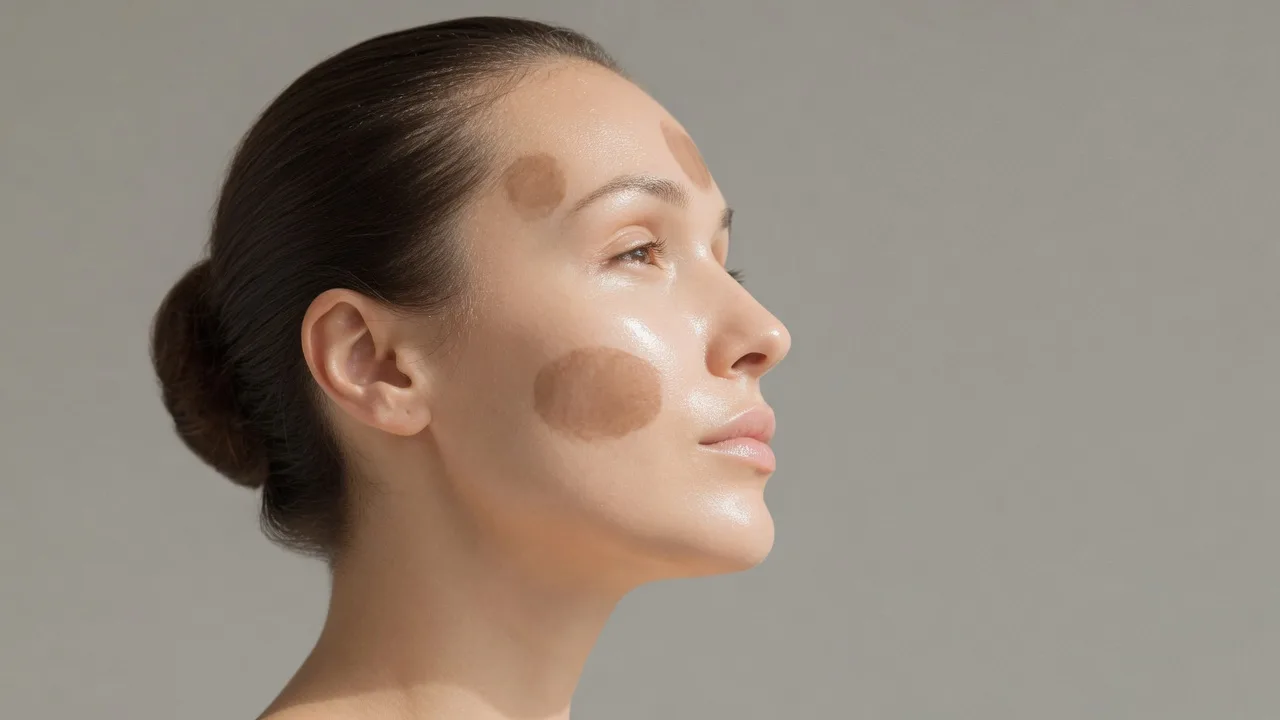
Imagine waking up to find a few strange, brownish patches on your cheeks or forehead. At first, you might dismiss them as a lingering tan or a few stubborn freckles. But then you notice they are symmetrical, mirroring each other on both sides of your face. Before long, you are dealing with a mask of discoloration that seems to have appeared out of nowhere.
This is the frustrating reality of melasma. It does not behave like a typical spot that can be scrubbed away with a brightening wash. Instead, it is a complex reaction within the skin that feels incredibly stubborn. Many people find that their usual brightening routines simply do not touch it. You might invest in Vitamin C serums or exfoliating acids only to see the pigment remain exactly where it was.
A few common culprits drive these changes. Hormonal shifts are a huge factor, which is why melasma often appears during pregnancy or with birth control use. Then there is the sun. UV rays act like a trigger switch for the pigment-producing cells in your skin, making existing patches darker or sparking new ones.
Melasma is less about surface damage and more about how your skin reacts to internal and external triggers. It is a cycle of inflammation and pigment production that can feel impossible to break. Because it is so reactive, the approach to treating it must differ from treating a standard breakout or dry patch.
Understanding why this happens is the first step toward clearing it up. To get the pigment under control, you first need to understand exactly what you are fighting.
What is Melasma? Understanding the 'Mask'
If you have noticed symmetrical, brownish patches on your forehead, cheeks, or upper lip, you are not alone. This is melasma, a common condition that causes hyperpigmentation on the face. While it might look like a few stubborn sunspots at first, melasma is different. It typically appears as larger, blotchy areas rather than small, isolated dots.
It is easy to confuse melasma with other types of discoloration. Sunspots or age spots usually result from direct UV damage over many years. Post-inflammatory hyperpigmentation occurs after the skin heals from an injury or breakout. Melasma is a different beast entirely. It often sits deeper in the skin and behaves more unpredictably. If you are looking for ways to [/blog/fade-dark-spots-hyperpigmentation], identifying which type you are dealing with is crucial because the treatment approach varies.
You might have heard melasma referred to as the mask of pregnancy. This specific form is called chloasma. The nickname comes from the mask-like pattern the pigment often forms across the center of the face. During pregnancy, hormonal shifts can send melanocytes into overdrive, creating those characteristic dark patches that appear suddenly in the second or third trimester.
While pregnancy is a major trigger, it is not the only cause. Many people develop these patches due to other hormonal fluctuations or prolonged sun exposure. The pigment may fade after giving birth, but for some, it lingers or returns. To understand why, it helps to look closer at the internal chemistry driving the pigment.
The Hormonal Connection: Pregnancy and Beyond
Ever wonder why melasma often shows up when your life is changing in a big way? The answer lies in your hormones.
Estrogen and progesterone are the power players. When these hormones spike, they act like a green light for your melanocytes, the cells responsible for producing pigment. Overstimulated, they start pumping out extra melanin, creating those stubborn, symmetrical brown patches on the forehead, cheeks, and upper lip.
During pregnancy, hormone levels soar. It is a natural process, but your skin becomes hypersensitive to pigment production, which is why many notice dark spots appearing in the second or third trimester. For some, the spots fade after delivery. For others, the pigment lingers long after the baby arrives.
Pregnancy is not the only trigger. Any significant hormonal shift can set off this response. Melasma is common during menopause, as fluctuating and eventually dropping estrogen levels shift the skin's balance, making it more prone to pigmentation. If you are navigating these changes, a dedicated [/blog/menopause-skincare-guide] can help you manage your skin's evolving needs.
Birth control pills can also play a role. The synthetic hormones they introduce can trick melanocytes into overworking. This hormonal sensitivity creates a baseline of vulnerability, turning your skin into a sponge for pigment.
Once those melanocytes are activated by hormones, they stay on high alert. Other external factors can easily push them over the edge. Hormones set the stage, but the environment provides the spark. That brings us to the most common culprits that turn faint spots into a full-blown flare-up.
Sun and Heat: The Primary Triggers
When it comes to melasma, the sun is fuel for the fire. It is not just about getting a sunburn or spending a whole day at the beach. Melasma is uniquely sensitive. Even a few minutes of unprotected exposure can trigger melanocytes to overproduce pigment. These cells are like overactive alarms. Once triggered by UV rays, they pump out melanin in those stubborn, symmetrical patches.
UV rays come in two main trouble-making forms. UVB rays cause visible burns. UVA rays are sneakier, penetrating deeper into the skin and passing right through window glass or clouds. That is why melasma can darken while driving or sitting in a bright office. For anyone dealing with these patches, a comprehensive [/blog/sunscreen-spf-guide] is essential because standard SPF might not be enough. Physical blockers like zinc oxide or titanium dioxide are often better for melasma, as they sit on top of the skin and reflect light away.
Then there is the heat factor, which surprises most people. You can be sitting in the shade under a giant umbrella and still see your melasma darken. Heat causes vasodilation, meaning blood vessels expand and skin temperature rises. Research suggests this thermal energy can stimulate pigment production just as UV rays do. Think of a sauna or a hot yoga class. The heat alone can wake up those pigment-producing cells.
Because of this double threat, keeping the skin cool and shielded is essential. Wide-brimmed hats and cooling mists during summer help. It also means recognizing that the skin is reacting to its environment. When stressed by heat and light, the skin loses its ability to regulate pigment. This instability is closely tied to the overall health of the skin's surface. To understand why some skin reacts more intensely than others, it helps to examine the role of the skin barrier in pigment control.
The Role of the Skin Barrier in Pigment Control
Your skin barrier. Think of your skin barrier as the security guard for your face. Its main job is to keep the good stuff in and the bad stuff out. When this barrier is strong, your skin can handle the occasional stressor without panicking. But when it is compromised, your skin becomes hypersensitive. This is where things get tricky for anyone dealing with melasma.
Many people make the mistake of attacking pigment with everything they have. They load up on harsh acids and strong peels to scrub away the dark spots. It feels like the right move. However, if you strip the barrier in the process, you create inflammation. Inflammation is a massive trigger for melanocytes, the cells that produce pigment. In a cruel twist, the very products meant to fade the melasma can actually make it darker by irritating the skin.
This is especially true for those with deeper skin tones. Research suggests that skin of color is more prone to post-inflammatory hyperpigmentation, meaning any sign of redness or irritation can quickly turn into a new dark spot. That is why a skincare for skin of color guide is so essential. The goal is to treat the pigment without triggering a defensive response from the skin.
A barrier-first approach means prioritizing hydration and soothing ingredients before introducing heavy hitters. If the skin is stinging or peeling, it is a sign to stop. It is better to slow down the fading process than to cause a flare-up that takes months to resolve. Learning how to repair your skin barrier is the first step toward stable pigment control. When the surface is healthy and calm, the skin is much more receptive to active treatments.
Once the barrier is secure and inflammation is under control, it is safe to introduce targeted actives. You can then focus on ingredients that inhibit pigment production without causing surface chaos. That brings us to the specific tools that actually move the needle on discoloration.
Top Topical Ingredients for Fading Melasma
When you start looking at the back of a serum bottle, the ingredient list can feel like a foreign language. It is easy to get overwhelmed by the chemistry. The good news is that you do not need a degree in dermatology to understand what actually works for melasma. The goal is simple: stop the overproduction of melanin and gently fade the pigment that is already there.
Tranexamic acid is a heavy hitter in this category. Think of it as a communication blocker. It stops the signals between your skin cells and the melanocytes that produce pigment. By cutting off those signals, it prevents new dark spots from forming while helping existing ones fade. It is generally gentle and plays well with other actives.
Then there is azelaic acid. This multitasker handles both pigment and inflammation. It specifically targets overactive melanocytes without bleaching the normal skin around them, making it a great choice for sensitive or acne-prone complexions. To boost these effects, pairing them with niacinamide can help soothe the skin and refine pores at the same time.
You cannot talk about brightening without mentioning Vitamin C. It is the gold standard for a reason. Vitamin C works by inhibiting tyrosinase, the enzyme responsible for creating pigment. Beyond fading spots, it protects your skin from the environmental stress that triggers melasma in the first place. For a full breakdown on choosing the right formula, check out this Vitamin C guide.
While these OTC ingredients are fantastic for maintenance and mild cases, some melasma is just too stubborn for a store-bought serum. Sometimes you need something with a bit more punch to see a real difference. That is when it is time to consider professional treatments and prescription options.
Professional Treatments and Prescription Options
When you step into a clinic, the options for treating melasma expand quickly. The goal is usually to break up existing pigment and stop new spots from forming. For many, the first stop is a prescription cream. Hydroquinone is often the gold standard because it stops the skin from producing too much melanin. It is powerful. It works. However, it is not a forever product. Using it for too long can actually cause a rare type of permanent darkening, which is why these creams are typically cycled on and off under a doctor's supervision.
If creams are not doing the trick, professional peels are a great next step. Chemical peels use a higher concentration of acids than anything you would find at home. They strip away the damaged top layers of skin to reveal a brighter tone underneath. The benefit is a faster result. The risk is the downtime. You might deal with redness or peeling for a few days. It is a bit like a reset button for your complexion.
Then there are lasers. These treatments target the pigment directly with concentrated light. When used correctly, they can erase stubborn patches that nothing else touches. But here is the catch: melasma is temperamental. If a laser is too aggressive or the heat is too high, it can actually trigger more pigment. It is a delicate balance. A professional who understands melasma will prioritize safety over speed to avoid making the patches worse.
Some people find that a combination approach works best. This might mean using a laser to clear the bulk of the pigment and then switching to a prescription retinoid for maintenance. To learn more about how those work, check out this complete guide to retinol and retinoids. The logic is similar to choosing between OTC and prescription acne treatments: you start with the basics and level up as needed.
The most important thing to remember is that professional treatments are not a one-time fix. Melasma is a chronic condition. You can clear the skin today, but the pigment can return the moment you skip your sunscreen. The real magic happens when you combine these clinic visits with a solid daily habit. With that in mind, let's look at how to put it all together into a melasma-focused routine.
Building a Melasma-Focused Routine
Managing melasma is all about balance. It is tempting to load up on every brightening acid and high-percentage retinol you can find to erase those patches quickly. However, melasma is a reactive condition. If you push your skin too hard, you can trigger more inflammation and make the pigmentation worse. The goal is a gentle, consistent approach that focuses on protection by day and correction by night.
A typical morning should be all about defense. Start with a gentle cleanser that does not strip the skin barrier. Follow that with a vitamin C serum. This antioxidant helps neutralize free radicals and boosts the effectiveness of your sunscreen. The final and most critical step is a broad-spectrum sunscreen. Physical blockers containing zinc oxide or titanium dioxide are often best for melasma because they reflect heat and UV rays away from the skin. Since heat can trigger pigment, keeping the skin cool and shielded is the priority.
Evening is when the real correction happens. This is the time to introduce actives that inhibit melanin production. A routine might look like this:
- Double cleanse to remove all traces of sunscreen and pollutants.
- Apply a brightening agent like tranexamic acid, azelaic acid, or kojic acid.
- Finish with a nourishing moisturizer to seal everything in.
If you are using stronger actives like retinoids, consider a /blog/skin-cycling-guide-actives-rotation. This prevents irritation by alternating treatment nights with recovery nights. Overloading the skin every single evening can lead to redness, which often leads to more melasma.
Building a /blog/building-perfect-skincare-routine takes a little patience. You will not see the patches vanish overnight. Instead, you will notice a gradual brightening and a more even skin tone over several weeks. The key is to stay the course and avoid the urge to switch products every few days. Consistency is the only way to keep the pigment at bay.
Once the daily habits are locked in, it is time to step back and look at the bigger picture.
The Bottom Line
Here is the reality of dealing with melasma: it is a marathon, not a sprint. It can feel incredibly frustrating when you are doing everything right and those stubborn patches just will not budge. But please know that you are not alone and your skin is not broken. Melasma is simply a sign that your pigment-producing cells are a bit too reactive.
The secret to seeing real progress is a combination of patience and persistence. There is no overnight cure for melasma. Instead, success comes from a steady routine of strict photoprotection and targeted ingredients. When you commit to a daily regimen, you are essentially telling your skin to calm down. It takes time for the existing pigment to fade and even more time to keep new spots from appearing.
Consistency is the absolute key to long-term success. Skipping your sunscreen for one sunny weekend or forgetting your brightening serum for a week can set you back. It is better to have a simple routine you can actually stick to than a complex ten-step process that feels like a chore. Focus on these core pillars:
- Broad-spectrum SPF every single morning.
- Ingredients that inhibit pigment production.
- Gentle exfoliation to help cells turn over.
- A lot of grace for yourself during the process.
While online guides provide a great foundation, every face is different. What works for one person might irritate another. That is why a professional diagnosis is the best starting point. A dermatologist can help identify the specific type of melasma and create a personalized plan tailored to your skin type. They can suggest prescription-strength options if over-the-counter products are not cutting it.
Manageable is the word of the day. You might not erase every single spot, but you can absolutely dim the volume on those patches. Keep your head up and keep your SPF on. Your skin will thank you for the dedication.
Drafted using Lumino AI.
This content is for informational purposes only and is not medical advice.
Learn how we review skincare guidance in our methodology.
Last updated: July 2, 2026
Written by
Lumino AI