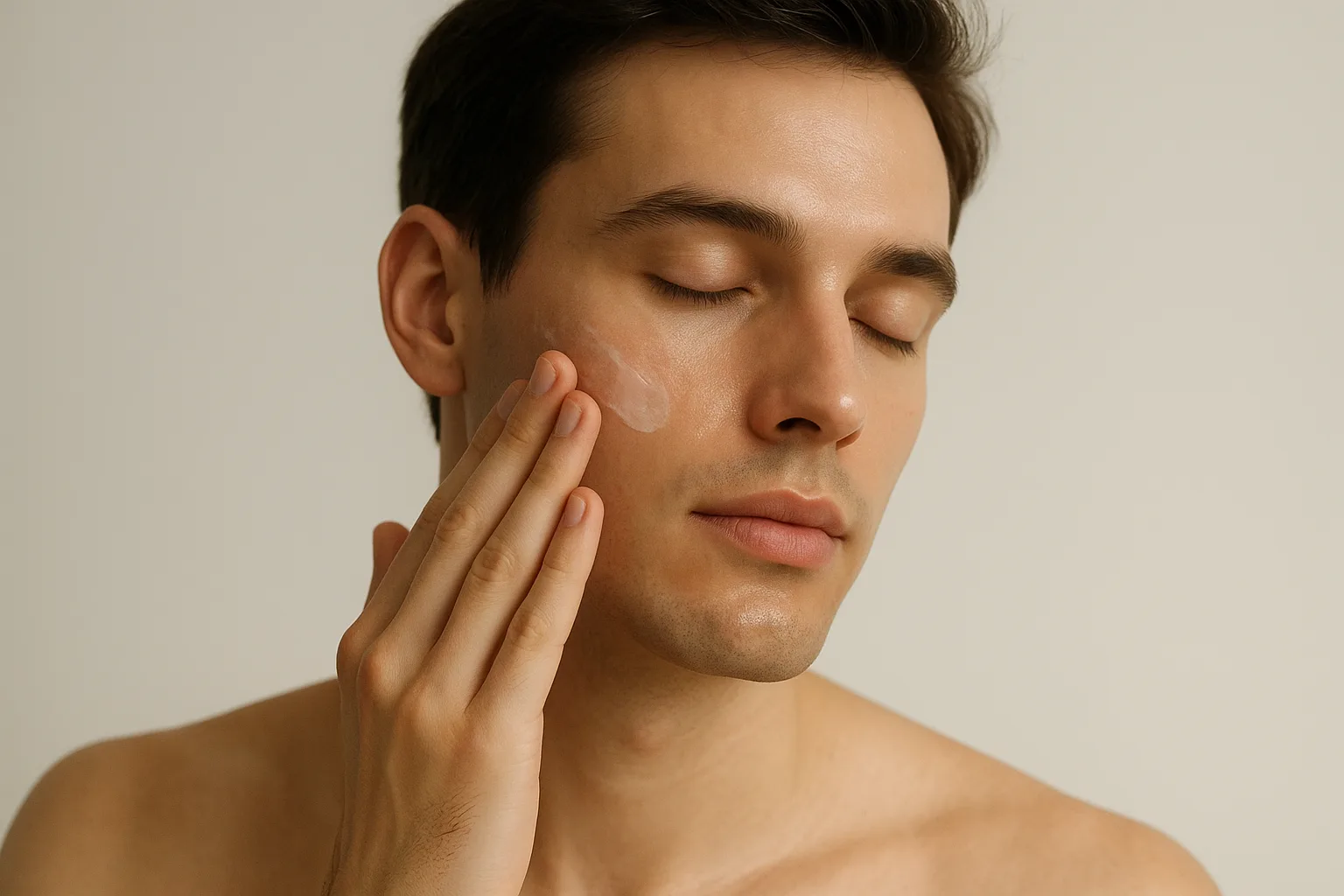
Men's Skincare Guide: Key Differences and Routines
Men's skincare often gets sidelined. Many guys grab whatever soap is in the shower, slap on some aftershave that burns, and call it a day. The truth hits harder when razor bumps linger or oiliness turns into breakouts. Skin care matters for everyone, but for men, it delivers clearer results faster because male skin responds uniquely to the right approach.
Daily life throws constant curveballs at a man's complexion. Shaving pulls at the surface every morning, while sweat from workouts can clog pores and environmental grime builds up. These factors demand a routine built for resilience. Research suggests men's skin heals quickly yet scars more easily from irritation. Targeted care prevents these issues before they start.
Thicker texture comes standard for men. Layers run deeper, about 25% more than women's on average. That strength handles tough conditions well, but oil production ramps up too. Sebum flows freer, keeping skin hydrated naturally but inviting shine and acne if unchecked. Add the influence of testosterone, and pores often appear enlarged. Shaving irritation tops the list of daily battles; blades scrape away protective barriers, leaving razor burn or ingrown hairs in their wake. Without proper soothing, redness flares and sensitivity creeps in.
Traditional routines often miss the mark by targeting finer, drier textures. Lightweight cleansers can turn harsh on oilier skin, while heavy moisturizers feel suffocating. Men frequently end up skipping steps entirely or dealing with stinging reactions from fragranced products. A one-size-fits-all approach wastes time and money.
This guide streamlines essentials for male biology. Simple steps yield big payoffs like smoother texture and fewer breakouts. By focusing on multi-tasking products that hydrate deeply yet control oil, you can build habits that stick. Gentle exfoliation smooths shave prep, while broad protection guards against daily damage.
Why Men's Skin Is Different
Men's skin sets itself apart in ways that reshape the entire skincare game. the dermis, the middle layer of skin holding everything together, runs thicker in men by a noticeable margin. This beefier structure means greater resilience against daily wear, yet it also demands products that penetrate effectively to deliver real results.
Pores play a significant role. Men's pores tend to be wider, stemming from higher collagen density that supports larger oil glands. Those glands churn out more sebum, the skin's natural oil. This results in skin that stays shinier longer, especially around the T-zone. While that extra oil keeps things hydrated and fights early wrinkles, it can eventually clog those large pores, leading to blackheads and breakouts.
Hormones fuel much of this activity. Testosterone surges through the system, ramping up sebum production and thickening the skin overall. Unlike the cycling hormonal shifts experienced by women, men's levels stay relatively steady and potent. This leads to oilier complexions prone to imbalances, often causing acne to linger well into adulthood.
Shaving introduces another layer of complexity. Razors scrape away the top epidermal layer with every pass, exposing fresh skin underneath. This is why irritation flares up so fast, manifesting as redness, razor burn, or ingrown hairs. Frequent shaving strips natural moisture barriers, making post-shave routines essential to calm the skin and restore protection.
These traits add up to a specific set of needs. Thicker skin may shrug off lightweight lotions, while oilier bases require mattifying cleansers. Shaving demands gentle exfoliation to keep the surface smooth. While collagen holds strong initially, it can deplete quickly with age and UV exposure, meaning a man's routine must account for these factors from day one.
Identifying Your Men's Skin Type
Knowing your skin type is the foundation of any solid routine. Because men's skin is typically thicker and oilier, getting the classification right ensures your products actually work rather than fighting against your face.
Four main types dominate: oily, dry, combination, and sensitive. Oily skin shines across the forehead, nose, chin, and cheeks within hours of washing. Blackheads and acne pop up often because hormones fuel that constant gloss. Dry skin pulls tight after cleansing, especially on the cheeks. Flakes appear and rough patches linger, often worsened by hot showers or harsh soaps. Combination skin is the most common for men; shine hits the T-zone (forehead, nose, and chin), while the cheeks stay matte or flaky. Sensitive skin reacts fast with redness, itching, or stinging, especially after a daily razor scrape.
You can test this at home without fancy tools:
- Wash your face with a gentle cleanser and pat dry. Do not apply any products.
- Wait 30 to 60 minutes to let the skin return to its natural state.
- Check in a mirror under natural light. Shine everywhere indicates oily skin. A tight or flaky sensation suggests dry skin. An oily T-zone with dry cheeks means combination skin. Redness or burning points to sensitivity.
It is helpful to track these changes as weather or stress levels shift. Research suggests skin can change over time, so retesting seasonally is a smart move. For deeper insight, some dermatologists prefer the Baumann skin system, which breaks skin into 16 categories based on moisture, sensitivity, and aging tendencies.
Pinpointing your type unlocks targeted care. Oily complexions benefit from mattifying cleansers and light gels, while dry skin craves creams and humectants. Sensitive skin demands fragrance-free, soothing formulas. Once this is sorted, you can layer on the right steps each morning.
The Essential Morning Routine for Men
Mornings move fast, but a solid routine only takes about three minutes. Three steps deliver clean, hydrated, and protected skin, fighting aging and irritation all day long.
The first step is to cleanse. Splash warm water on your face and use a gentle, no-frills cleanser. Foam it up with your hands, massage for 30 seconds, and rinse. Pat dry with a clean towel. Avoid harsh bar soaps or scrubs that strip natural oils and leave skin feeling tight. Opt for a milky or gel formula suited to your skin type—foaming types for oily skin and creamier versions for dry skin. This removes overnight sweat and oil buildup for a fresh start.
Next, apply moisturizer. Skin loses hydration overnight, so it is vital to lock it back in. Press a dime-sized amount of lightweight moisturizer over your face and neck. Choose multi-tasking formulas; niacinamide helps calm redness, while hyaluronic acid plumps fine lines. For combination skin, pick non-comedogenic options that hydrate without leaving a greasy residue. Consistent moisture boosts skin barrier strength, leading to fewer breakouts and smoother texture over time.
Finally, sunscreen seals the deal. Apply a broad-spectrum sunscreen with at least SPF 30. A pea-sized dollop covers the face and neck. Tinted versions can even out skin tone, while matte finishes help control shine. This step is non-negotiable for preventing long-term damage.
To save time, look for a moisturizer with built-in SPF to cut your steps in half. Performing this routine right after a shower while the skin is still damp helps products absorb faster. Keeping these items on your bathroom counter makes consistency easier to maintain.
Building an Effective Evening Routine
Evenings shift the focus to recovery. Your skin spent the day battling pollution, sweat, and sun; now it needs to repair. A solid PM routine nourishes deeply and prepares the skin for overnight renewal.
Start with cleansing to remove the day's grime. A single cleanse works most nights, but if you wore heavy sunscreen or worked out intensely, a double cleanse is more effective. Use a cleansing balm or oil first to melt away tough residues, followed by your regular cleanser. This ensures a clean slate, allowing treatment products to absorb better.
Next comes the treatment serum. This is where you address specific concerns with active ingredients. Niacinamide is a standout for men because it controls oil without drying the skin while calming redness. Apply a few drops after cleansing and let it sink in. You can also rotate in hyaluronic acid for extra hydration. These ingredients balance the skin without adding greasiness.
Seal everything with a slightly richer moisturizer. Nights are the best time for formulas containing ceramides and peptides, which rebuild the skin barrier while you sleep. A pea-sized amount rubbed gently upward over the face and neck will leave the skin softer and plumper by morning.
If you are looking for more precision, the Lumino Skin app can analyze your progress and help you adjust your product choices as your skin changes. Building this habit gradually—starting with a nightly cleanse and adding serums twice weekly—will lead to compounding results. Lines soften, oil is tamed, and the skin looks calmer.
Best Ingredients for Men's Skincare
Smart ingredients make a significant difference in managing thicker, oilier skin. Focus on actives that target acne, aging, and a weakened barrier. Salicylic acid, benzoyl peroxide, retinol, and ceramides are the primary tools for a high-performance routine.
Salicylic acid is essential for fighting acne. This beta hydroxy acid dives deep into pores to dissolve excess oil and dead skin cells, helping to clear blackheads and calm inflammation. Men's oily T-zones benefit greatly from this. Start with a gentle cleanser or spot treatment to build tolerance.
Benzoyl peroxide is another powerful ally. It kills acne-causing bacteria on contact, helping active breakouts dry up quickly. It is best used in washes or gels at a 2.5 to 5 percent strength. To prevent excessive dryness, pair it with a quality moisturizer.
For aging concerns, retinol is the gold standard. This vitamin A derivative speeds up cell turnover and ramps up collagen production, which softens fine lines and evens out texture over time. Because men's skin is coarser, it often responds well to nightly use. Begin with a low concentration twice a week and always use sunscreen during the day, as retinol increases sun sensitivity.
Ceramides are vital for barrier repair, especially after shaving. These lipids mimic the skin's natural structure to lock in moisture and block irritants. They provide deep hydration without a greasy feel, making them ideal for all skin types.
By layering these thoughtfully—cleansing, treating, and moisturizing—you will see results build over several weeks.
Handling Shaving and Razor Burn
Shaving is a major skin disruptor. Daily blades can tug at follicles and strip natural oils, leaving behind redness or painful ingrown hairs. Proper technique turns this ritual into a smooth, irritation-free process.
Preparation is the most important part. Cleanse with a gentle face wash and use warm water or a pre-shave oil to soften whiskers. This reduces friction and can cut irritation by half. Apply a shaving cream or gel containing glycerin or shea butter to create a protective cushion. Shave with the grain using short strokes, rinsing the blade often.
Post-shave care is equally critical. Skip alcohol-based splashes that sting and dry out the skin. Instead, use soothing balms with aloe vera to cool the surface or witch hazel to tighten pores. Niacinamide is excellent for reducing post-shave redness, while centella asiatica speeds up the healing of minor nicks. Finish with a lightweight moisturizer to repair the barrier.
To prevent ingrown hairs, avoid shaving too aggressively and change your blades every five uses. Regular exfoliation two to three times a week also helps. Chemical exfoliants like salicylic acid or lactic acid are better than harsh scrubs, as they dissolve the dead skin that traps hairs without causing micro-tears. If razor burn occurs, a cold compress or a fragrance-free chamomile soak can provide immediate relief.
Addressing Common Men's Concerns
Consistency is the most effective way to handle common issues like stubborn breakouts, excess shine, and dark spots.
Acne around the beard line or jaw is often sparked by shaving. Using an oil-control cleanser with salicylic acid twice daily keeps bacteria at bay without stripping the skin. For those with high oil production, mattifying toners and gel-based moisturizers provide hydration without the shine. Blotting papers are also a simple way to handle midday grease.
Aging signs often appear as deeper wrinkles or a loss of firmness after age 30. Retinoids and vitamin C serums work together to rebuild collagen and brighten the complexion. For dark spots or post-shave hyperpigmentation, gentle exfoliants with AHAs can fade discoloration over time.
Beard-area woes often mimic acne but are actually a result of irritation. Using the Lumino Skin AI analysis can help you distinguish between a breakout and razor bumps, ensuring you use the right treatment. Whether you use a traditional razor or an electric trimmer, keeping the skin supple with daily moisture is the best defense against these common frustrations.
Lifestyle Tips for Lasting Results
Products set the foundation, but daily habits make the results last. Diet fuels your skin from the inside out. Antioxidant-rich fruits and vegetables fight the free radicals that dull the skin, while omega-3s from fish or walnuts help calm inflammation. Staying hydrated plumps the cells and flushes toxins, so aim for steady water intake throughout the day.
Sleep is when the real magic happens. Your skin repairs itself while you rest, rebuilding collagen and strengthening its barriers. Most dermatologists recommend seven to nine hours of quality sleep to avoid puffiness and dark circles. Creating a wind-down routine—such as dimming lights or keeping your room cool—can significantly improve sleep quality.
Managing stress is also vital. High cortisol levels break down collagen and trigger breakouts. Physical activity, whether it's a weight session or a brisk walk, releases endorphins that counteract stress. Even five minutes of deep breathing can help keep your complexion clear.
Finally, track your progress. Take weekly photos in the same lighting to note subtle shifts in texture and tone. Skin typically renews every 28 days, so patience is required. By layering these lifestyle tweaks one at a time, you supercharge your topical routine.
The Bottom Line
Men's skincare is most effective when it is straightforward and tailored to male biology. Because your skin is likely thicker and oilier, using products designed for those traits prevents the clogged pores and irritation that come from using the wrong formulas.
A basic lineup of cleanser, treatment, moisturizer, and sunscreen delivers steady wins. Over time, this repetition builds a stronger skin barrier, which shields you from pollution and shaving friction. A healthy barrier means fewer breakouts and a faster recovery from the elements.
Sun protection remains the most important long-term investment. Broad-spectrum SPF 30 prevents the rough texture and dark spots that often appear later in life. Start with the basics, and once you are comfortable, add targeted serums for specific concerns like aging or acne.
By embracing a simple system and staying consistent, you ensure your skin looks vital and healthy for decades. Skip the complicated trends and focus on the essentials that work for you.
Drafted using Lumino AI and reviewed by Lumino Editorial Team on March 13, 2026.
Educational content only. Persistent folliculitis, severe acne, or painful razor bumps should be evaluated by a licensed clinician.
Learn how we review skincare guidance in our methodology.
Last updated: March 13, 2026
References
Safety Notes
- Introduce shaving actives slowly if you are prone to irritation or razor bumps.
- Do not use strong exfoliants on freshly shaved or visibly inflamed skin.
If you have persistent symptoms, severe irritation, or sudden skin changes, consult a licensed dermatologist.
Written by
Lumino AI