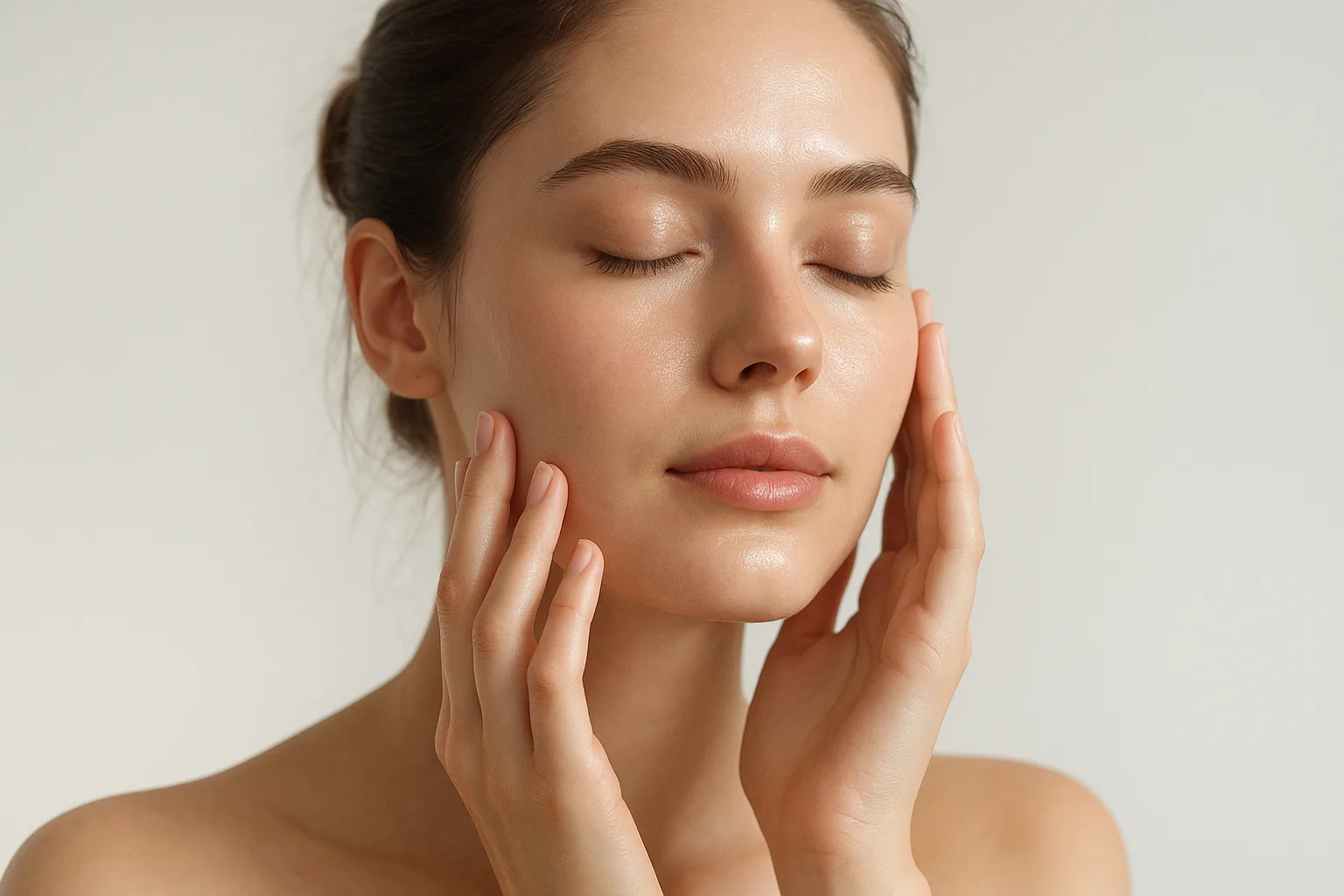
NAD+ Skincare: Cellular Energy Boost
The pursuit of a glow that defies time often leads to the same surface-level solutions. However, the true secret to skin that looks plump and radiant well into the decades lies deep inside the microscopic engines of every cell. These powerhouses drive repair, renewal, and the vital energy that maintains a healthy complexion. At the heart of this biological process is a coenzyme known as NAD+.
NAD+ stands for nicotinamide adenine dinucleotide. This molecule fuels the essential processes that keep cells thriving, from DNA repair to energy production in the mitochondria. Research suggests that NAD+ levels peak in youth and begin a steady decline around age 30. The skin is often the first place this drop becomes visible. Fine lines emerge, elasticity fades, and that fresh bounce gives way to persistent dullness.
Dermatologists agree that the depletion of NAD+ accelerates visible aging. When energy levels wane, cells struggle to fix daily damage caused by UV rays, pollution, and stress. While traditional creams often focus on temporary surface hydration, topical NAD+ skincare takes a different path. This biohacking approach delivers the molecule directly to the skin to reignite cellular engines from within.
When NAD+ slips past the skin barrier, it activates sirtuins—proteins that orchestrate cellular longevity. As energy surges, repair mechanisms ramp up and collagen production strengthens. This effect builds over time, leading to smoother texture, a brighter tone, and a resilience that holds up under environmental demands. It is a shift toward using cellular fuel to achieve timeless results.
What Is NAD+ and Why Skin Needs It
NAD+ sits at the center of skin vitality. This coenzyme fuels cellular metabolism, the process powering every energy-hungry reaction in the body. It acts as the spark that keeps skin cells producing collagen and maintaining a firm, radiant appearance.
Beyond energy production, NAD+ drives DNA repair, fixing the tiny breaks that accumulate over time and lead to sagging or sun spots. By activating sirtuins—the "guardians of longevity"—NAD+ helps regulate inflammation and boost antioxidant defenses. Without sufficient levels, these proteins falter, causing the skin to lose its bounce and struggle with healthy cell turnover.
Levels of NAD+ typically drop by half or more by middle age. The consequences are clear: firmness fades as collagen production slows, and the glow dims because cells lack the fuel to renew. What once bounced back from a late night now lingers as a tired complexion. This ties directly to the concept of skin longevity—the idea that healthy aging comes from supporting cellular foundations rather than chasing quick fixes.
External stressors compound this natural decline. UV exposure, poor sleep, and high-sugar diets all drain NAD+ reserves. Restoring these levels through topical and lifestyle approaches offers a way to counter this drain, supporting the mitochondria to ensure better barrier function and smoother texture.
The Science of NAD+ Decline in Aging Skin
As the body ages, cells naturally produce less NAD+. Enzymes that build the molecule falter, while others consume it faster than it can be replenished. By middle age, these plummeting levels leave skin cells—which are constantly in a state of renewal—vulnerable and unable to maintain their structure.
Sunlight is a primary culprit in this depletion. UV exposure sparks reactions that drain NAD+ reserves, causing free radicals to surge and DNA breaks to form. Without enough cellular fuel, repair stalls. This explains why sun-exposed areas like the face and hands often show the most rapid signs of aging. Chronic exposure turns temporary dips into lasting deficits.
Lifestyle factors further accelerate the drain. Pollution introduces toxins that deplete reserves, while stress ramps up inflammation, burning through available supplies. Even habits like smoking or poor diet can halve NAD+ levels over the years, hastening the appearance of spots and sagging.
When NAD+ is low, sirtuin activity is muted. These proteins are responsible for repairing DNA strands frayed by time and regulating inflammation to keep the skin calm. Studies on topical NAD+ show promise in reversing this trend. When applied directly, it can penetrate skin layers to revive sirtuin activity and recede markers of aging like collagen breakdown. Fibroblasts, the skin's collagen factories, begin to function more efficiently, allowing even UV-stressed skin to recover faster.
How Topical NAD+ Penetrates and Works
The skin is a formidable barrier designed to keep large molecules out. Because NAD+ is polar and sizable, early topical formulas often struggled to move past the outer layer of dead cells. Modern delivery systems have changed this dynamic, making the molecule significantly more effective.
Liposomal encapsulation is currently the leading method for delivery. These tiny spheres of phospholipids cradle the NAD+ and merge with skin lipids, allowing the cargo to bypass the surface barrier and reach living cells in the epidermis and dermis. This advanced carrier system ensures the molecule reaches the mitochondria where it is needed most.
Once inside, NAD+ facilitates redox reactions that allow mitochondria to convert fuel into ATP, the energy currency of life. Replenishing these levels topically helps cells repair damage faster and renew with greater vigor. This revival combats "cellular fatigue," resulting in a more resilient appearance.
Collagen synthesis also sees a visible benefit. Fibroblasts in the dermis rely on NAD+ to support PARP enzymes, which repair DNA damage from environmental factors. Healthy DNA allows these fibroblasts to produce more type I and III collagen, while sirtuins promote the genes responsible for matrix proteins. The result is a softening of fine lines and a return of natural elasticity.
Key Benefits of NAD+ Skincare
The primary advantage of NAD+ is its ability to work at a cellular level to pull moisture into deeper layers, plumping the surface from within. This strengthens the skin barrier, locking in hydration and keeping irritants out.
As collagen production and repair enzymes ramp up, fine lines that have etched deeper over time begin to relax. Consistent use reveals firmer contours and a more rested appearance. Dullness also fades as the molecule helps clear oxidative buildup, evening out pigment and lightening hyperpigmentation caused by sun or stress.
Recovery speeds are also impacted. Whether dealing with minor irritation or post-procedure redness, NAD+ fuels the DNA repair and reduces inflammation necessary for quicker healing. Clinical evidence suggests that users see boosted elasticity and a measurable drop in inflammatory markers after several weeks of application.
- Hydration: Improved moisture retention in cellular layers.
- Wrinkle Reduction: Visible smoothing of fine lines over 4-8 weeks.
- Tone Clarity: Reduction in oxidative buildup for increased luminosity.
- Accelerated Recovery: Faster healing from environmental irritation.
- Elasticity: Improved bounce and suppleness through fibroblast support.
NAD+ vs. Traditional Anti-Aging Ingredients
Retinoids have long been the standard for collagen production and cell turnover. However, they often come with redness, peeling, and increased sensitivity. These ingredients target specific pathways downstream in the repair process, pushing results through direct intervention.
Peptides offer a milder alternative, acting as signaling molecules that tell cells to firm up. They build strength gradually over months, focusing on structural support by mimicking natural proteins. While effective, their action remains focused on specific targets like collagen or elastin.
Exosomes represent a newer frontier, acting as tiny vesicles that shuttle regenerative signals between cells to promote healing. While promising for texture and scarring, exosomes function as messengers rather than fuel.
NAD+ plays an "upstream" role. Instead of patching symptoms or sending messages, it floods the factory with energy. When the mitochondria thrive and DNA repair kicks into gear, the entire cellular operation improves. This foundational boost can actually amplify other ingredients. When paired with retinoids, irritation often drops; when paired with peptides, results may accelerate. It provides a versatile base that elevates the entire skincare routine.
Incorporating NAD+ into Your Routine
Integrating this molecule into a daily regimen is straightforward. For maximum efficacy, apply NAD+ products after cleansing and toning but before heavier moisturizers or oils. This allows the active ingredients to penetrate deeply without interference.
Serums are ideal for a potent energy boost. These lightweight formulas are best used in the morning to arm the skin against daily stressors like pollution and blue light. Apply a few drops, pat gently into the face and neck, and wait two minutes before moving to the next step.
Creams are a better option for those with dry skin, as they combine NAD+ with emollients for lasting hydration. These are particularly effective in the evening, supporting the body's natural overnight cellular cleanup and repair processes.
Layering is essential for protection. In the morning, follow your NAD+ product with a hydrator and a broad-spectrum sunscreen. UV rays can undo cellular gains quickly, so protection is mandatory. In the evening, you can seal the actives with a richer cream to trap the ingredients while you sleep.
To ensure compatibility with your specific skin type, tools like the Lumino Skin AI analysis can be helpful. By scanning a selfie, the app provides insights into your skin's current state—such as hydration levels and barrier strength—and can suggest how NAD+ fits into your personalized plan.
Who Benefits Most from NAD+ Skincare
This technology is particularly effective for those over 40, as natural NAD+ levels begin to dip significantly during this period. Mature skin responds to the replenishment of these precursors with renewed firmness, as the root causes of age-related fatigue are addressed.
Urban dwellers also stand to gain. City environments bombarding the skin with pollution and blue light drain cellular reserves rapidly. NAD+ helps the skin recover from this daily environmental wear, improving hydration and defense mechanisms.
Furthermore, those recovering from skin procedures—such as lasers or microneedling—can use NAD+ to speed up tissue repair. By boosting ATP production, the molecule helps shorten downtime and reduce lingering redness.
While it works across all skin types, those with compromised barriers (such as active eczema) should proceed with caution. Using an AI tool like Lumino Skin can help flag whether your skin is currently too sensitized for new actives or if it is ready for a cellular boost.
Future Research and Considerations
The horizon for cellular skincare involves deeper exploration into precursors like NMN and NR. These building blocks aim to replenish energy even more effectively when applied topically. Ongoing trials are testing combinations of NAD+ with antioxidants to see if they can further enhance wrinkle reduction and elasticity over long-term use.
Safety remains a priority. Topical precursors are generally well-tolerated, with research suggesting minimal systemic absorption. However, long-term data is still being collected to confirm the effects over several years of use.
When selecting products, stability is the most important factor. NAD+ precursors can degrade when exposed to heat, light, and air. Look for airtight packaging and reputable brands that prioritize formulation integrity. Concentrations between 1% and 5% are typically sufficient for starting a routine.
The Bottom Line
NAD+ skincare represents a shift from masking aging signs to fueling the skin's natural ability to thrive. By addressing the decline in cellular energy, these products support the fundamental machinery of the skin. The result is a resilience that builds over time, leading to genuine improvements in texture, tone, and firmness.
As research continues to validate the benefits of supporting the mitochondria and sirtuins, NAD+ is likely to become a staple for those focused on long-term skin longevity. By investing in the energy of your cells today, you provide your skin with the resources it needs to remain radiant for years to come.
Drafted using Lumino AI.
This content is for informational purposes only and is not medical advice.
Learn how we review skincare guidance in our methodology.
Last updated: March 6, 2026
Written by
Lumino AI