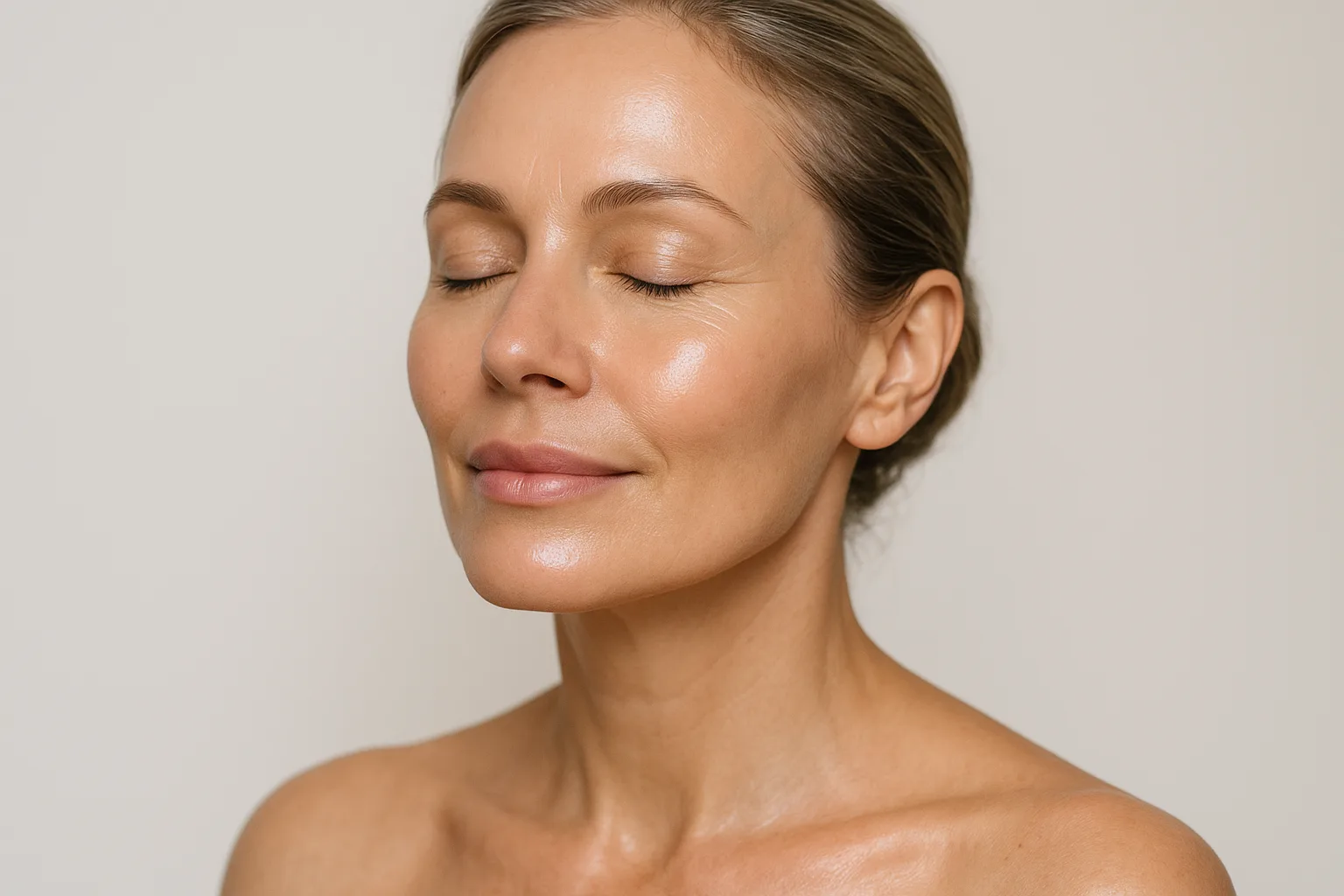
Skin Longevity: The Breakthrough Science of Lasting Radiance
Skin longevity has taken center stage in modern dermatology. Skincare routines everywhere pulse with this fresh energy. While glowy highlighters and viral masks still sparkle on social feeds, the real conversation hums around something deeper: vitality that lasts. This movement prioritizes skin that thrives for decades, not just days.
Many have experienced the cycle of applying a new serum for instant radiance, only to find the glow dims after a few weeks while fine lines persist. Skin longevity flips this script by zeroing in on cellular health. It focuses on mitochondria firing strong, DNA repairing itself, and inflammation being tamed at the source. Dermatologists agree that this approach builds resilience from within.
Biotech leads the charge in this field. Innovations target regeneration with unprecedented precision. Stem cell technology nudges skin to renew on its own terms, while peptides signal cells to combat oxidative stress. Early trials show significant promise in strengthening the skin barrier and maintaining elasticity year after year. Research suggests these tools extend the skin's prime far beyond traditional timelines, moving past fleeting trends toward a new baseline of vitality.
This movement arrives as daily life wears on skin relentlessly through blue light, pollution, and lingering stress. While surface creams offer temporary hydration, true resilience demands a deeper biological engagement. Longevity honors how skin ages at a cellular level. By starving wrinkles through inflammation control and keeping collagen flowing via regeneration pathways, the skin bounces back stronger and stays ready for the long haul.
The appeal is universal. Younger generations seek early prevention, while seasoned skincare enthusiasts crave sustainability. As brands race to deliver, personalized analysis helps individuals understand their unique biology. The payoff rewards patience: smoother texture holds and tone evens out over time, allowing confidence to grow with every mirror check.
What Is Skin Longevity?
Skin longevity captures the shift toward keeping skin robust and functional for the long term. This approach focuses on cellular repair mechanisms and anti-senescence strategies. Senescence refers to cells that stop dividing but linger, contributing to inflammation and tissue damage. Skin longevity targets these "zombie cells" and promotes pathways for autophagy, the process where skin clears out cellular debris. It is essentially a fundamental engine tune-up rather than a superficial coat of paint.
Traditional anti-aging often chased visible youth by treating symptoms after they appeared. Creams plumped lines and serums brightened spots, but skin longevity prioritizes prevention at the molecular level. It bolsters DNA repair enzymes and amps up antioxidant defenses from the inside out. Research suggests that by focusing on these foundations, skin stays supple and resilient decades longer, making deep wrinkles a secondary concern.
Quick-fix trends often promise miracles overnight through fillers, lasers, or neurotoxins. While results can be dazzling, they are temporary, often leading to a cycle of chasing the next treatment. Skin longevity, by contrast, demands consistency. Daily habits build defenses using ingredients like peptides that mimic growth factors to signal repair. Furthermore, NAD+ boosters recharge the energy factories within cells, ensuring mitochondria thrive and skin functions at its peak.
In this framework, a healthy glow emerges as a natural consequence of structural strength. When the barrier is fortified against invaders and inflammation is kept low, hydration holds steady. Even as new trends emerge, this focus on biological endurance remains constant. By utilizing tools to analyze pores and texture alongside diets rich in polyphenols, individuals can support their skin from within. When a 30-year-old starts prioritizing these habits, the skin continues to hum with vitality well into their 60s.
The Science of Skin Aging and Longevity
Skin aging originates at the cellular level, largely influenced by telomeres—the protective caps at the ends of chromosomes. Every time a cell divides, these caps shorten. Once they fray significantly, cells hit a limit and stop dividing properly. While this happens throughout the body, skin cells face additional stress from UV exposure and pollution, which research suggests accelerates telomere wear in the epidermis.
Cellular senescence adds another layer of complexity. These lingering cells disrupt the renewal cycle unique to the skin, often clustering around hair follicles and oil glands. Unlike internal organs shielded by layers of tissue, the skin is on constant defense. Its cells must divide frequently to replace the surface, leaving less time for repairs and allowing senescent damage to accumulate.
Then comes "inflammaging," a chronic, low-grade inflammation that acts like a quiet fire under the skin's surface. Triggered by years of environmental irritants, it gradually erodes collagen and elastin. Studies indicate that immune cells in the dermis can release cytokines that stiffen tissues over time. Because the skin is a frontline barrier constantly exposed to microbes and allergens, this inflammatory pressure is often higher than in protected internal organs.
What sets skin apart is its dual role in protection and regeneration. Epidermal stem cells push out new layers relentlessly while dermal fibroblasts churn out collagen amid environmental assaults. This means skin accumulates unique damage signatures from free radicals. To understand these fundamentals further, it helps to explore the broader context of understanding skin health.
Modern biotech is now targeting these pathways directly. Senolytics aim to clear out zombie cells to restore youthful turnover, while anti-inflammaging peptides dial down cytokines with high precision. These innovations shift longevity from a theoretical concept into a tangible reality, resulting in smoother texture and improved barrier function.
Breakthrough Biotech Ingredients for Longevity
The current landscape of skincare is defined by ingredients that represent the cutting edge of science. Exosomes lead this category. Derived from stem cells, they act as microscopic messengers delivering repair signals directly to skin cells. Research suggests they accelerate collagen production and reduce inflammation, with early trials showing smoother texture after several weeks of use. They blend easily into serums and layer well under moisturizers.
Senolytics are also gaining traction. These ingredients target the senescent cells that accumulate with age and drive the inflammatory factors responsible for sagging. Dermatologists agree that clearing this cellular debris promotes healthier skin turnover. While dramatic youth reversal is unrealistic, users often report a brighter, more even complexion when these are paired with gentle exfoliants in a nightly routine.
Advanced peptides have evolved beyond simple hydration. These lab-crafted chains mimic the body's signaling proteins to boost elasticity and barrier strength. Evidence points to enhanced resilience against environmental stress and a reduction in the appearance of fine lines. These are best utilized in morning regimens alongside antioxidants for comprehensive protection.
NAD+ boosters round out the longevity toolkit. Because NAD+ levels drop with age, cellular energy and repair mechanisms can become sluggish. These precursors recharge the system, supporting DNA protection and mitochondrial function. While the gains are subtle at first, they amplify with sustained use and are highly compatible with retinoids or hyaluronic acid layers.
These actives elevate everyday routines without requiring a total overhaul. The true power of these ingredients unfolds through personalization. Using an AI skin analysis app like Lumino Skin allows you to match specific concentrations to your skin's current state, ensuring you aren't overloading your barrier while still reaping the benefits of biotech innovation.
How AI Detects Early Longevity Markers
Technology now allows for the detection of whisper-quiet signals of aging that escape the naked eye. By scanning skin under natural light, AI can identify senescence-associated markers—traces of cells that have stopped dividing properly, which often manifest as a faint dullness. Identifying these early markers allows for a shift in strategy before visible damage takes hold.
Beyond cellular health, AI evaluates barrier integrity and microbiome balance. A compromised barrier allows moisture to escape, leading to roughness, while shifts in the bacterial ecosystem can spark uneven tone. Tools like Lumino Skin make this analysis seamless. By analyzing a photo, algorithms dissect texture and color variations to provide a readout on longevity markers. If the analysis flags high senescence activity or a weak barrier, it can suggest specific interventions like ceramides or antioxidants.
This data becomes even more powerful when cross-referenced with your Baumann skin type. Whether your skin is oily, sensitive, or resilient, the insights are tailored to your specific biology. For instance, one person might see microbiome dips tied to seasonal changes, while another spots barrier erosion from environmental pollution. For those new to this technology, a look at AI skincare 101 provides a helpful foundation.
The real value lies in long-term tracking. By uploading photos regularly, you can watch how markers trend over time. You might see senescence scores drop as antioxidants take effect or barrier strength climb with consistent hydration. This allows for precise adjustments—perhaps dialing back acids if irritation lingers or layering in niacinamide for extra support. Seeing these metrics improve provides tangible proof that a longevity-focused routine is working.
Building a Skin Longevity Routine
Once you have identified your skin's specific needs, the next step is building a routine that supports long-term health. The goal is to layer barrier support, antioxidants, and biotech actives with patience. Consistency is what turns these steps into lasting results.
The Morning Routine: Shield and Signal Start with a gentle cleanse to preserve the natural barrier, followed by a ceramide-rich moisturizer. Apply an antioxidant serum, such as vitamin C, to neutralize free radicals. Finally, integrate a biotech peptide complex to signal repair and finish with broad-spectrum sunscreen. This sequence creates a robust shield against daily environmental assaults.
The Evening Routine: Recover and Renew Evenings should focus on repair. After a double cleanse to remove sunscreen and pollutants, apply biotech actives like stem cell extracts or NAD+ boosters. Research suggests these support cell turnover during the body's natural sleep cycle. Follow this with a barrier repair cream containing niacinamide to seal in moisture.
Tailoring the routine by age is also vital. In your 20s, the priority is prevention through antioxidants. In your 30s and 40s, you might introduce growth factors or hyaluronic acid to maintain firmness and volume. For a deeper dive into specific ingredients, consult our retinol and retinoids complete guide or learn how to repair the skin barrier if it has been compromised.
A Streamlined Template:
- AM: Gentle cleanse, barrier moisturizer, antioxidant serum, biotech peptides, sunscreen.
- PM: Double cleanse, biotech actives, antioxidant, barrier repair cream.
Introduce one new active at a time and patch test to ensure compatibility. Over four weeks, the skin typically adapts, showing improved resilience and a more consistent glow.
Lifestyle Pillars for Skin Longevity
While topical routines form the core of skin health, lifestyle habits nourish skin cells from the inside out. Supporting fibroblasts and stem cells through daily choices can significantly slow the process of senescence.
Diet plays a fundamental role. Anti-inflammatory foods like berries, leafy greens, and fatty fish combat the oxidative stress that shortens the lifespan of skin cells. Research suggests these foods help preserve collagen production. Additionally, NAD+ precursors found in broccoli and avocados fuel the enzymes responsible for DNA repair. For more on how nutrition affects your skin's ecosystem, see the skin microbiome guide.
Sleep is equally critical. Quality rest triggers nocturnal repair cycles where cells regenerate and clear damaged proteins. Consistent sleep boosts barrier function and supports mitochondrial health. Establishing a wind-down ritual—such as dimming lights and keeping the bedroom cool—ensures the skin has the opportunity to perform its essential "night shift" repairs.
Stress management and exercise round out these pillars. Elevated cortisol can accelerate telomere shortening, while regular movement improves microcirculation, delivering oxygen and nutrients to the dermis. Exercise also promotes autophagy, the cleanup process that removes senescent cells. These foundational habits build the bedrock upon which biotech skincare can perform its best work.
Myths and Realities of Skin Longevity
As the field grows, it is important to distinguish between scientific reality and marketing hype. Social media often buzzes with claims of miracle exosomes that can transform skin overnight. While these therapies are grounded in real science, the reality of biological change is more gradual.
Dermatologists agree that while exosomes and stem cell derivatives are powerful, visible changes in texture and firmness typically emerge over three to six months of consistent use. Overnight miracles remain a myth; true skin longevity is a marathon, not a sprint.
Accessibility and cost are also important considerations. High-end longevity treatments can be expensive and often require clinic visits. However, everyday routines can fill this gap effectively. You do not need to abandon established favorites like retinoids, which have decades of research backing their ability to speed cell turnover. Instead, think of new longevity trends as a way to amplify your existing favorites. Pairing a retinoid with a peptide complex creates a synergy that helps the skin rebuild more efficiently.
Focusing on sustainable shifts and tracking progress through data-driven insights helps keep expectations realistic. Small, consistent wins compound over time, leading to skin that remains vital and strong regardless of age.
The Future of Skin Longevity Research
The horizon of skincare is defined by regenerative technologies. Scientists are currently exploring stem cell therapies that could allow the skin to rebuild itself from within, potentially extending the youthful phase of skin well into later life. By the time these technologies reach the mainstream, we may see treatments that naturally regenerate lost collagen.
Personalized genomics will likely become the standard. DNA analysis can reveal unique aging triggers, such as specific mutations in collagen genes, allowing for bespoke protocols. Imagine a future where a simple swab leads to a serum formulated specifically for your genetic blueprint. Affordable at-home kits are already in development to make this level of precision accessible.
AI integration will continue to tie these advancements together. Machine learning will likely scan skin in real time to predict damage before it manifests, adjusting regimens based on your local environment or recent stress levels. While widespread use hinges on regulatory approval and cost reductions, the momentum is building.
For now, the most effective approach remains proactive care. Layering sunscreen, nourishing the skin with peptides, and using precision tools to monitor changes ensures you are prepared for the breakthroughs of tomorrow.
The Bottom Line
Skin longevity marks a significant turning point in how we approach beauty. It moves beyond the pursuit of a temporary glow and focuses on building a resilient biological foundation. By combining biotech innovations with foundational habits, it is possible to protect and preserve the skin for the long term.
This approach is not about achieving a state of perfection, but about fostering continuous progress. When you invest in ingredients backed by science and utilize tools that offer a deeper look into your skin's needs, you move away from guesswork. Consistency in these practices ensures that your skin remains plump, even-toned, and capable of withstanding the demands of daily life.
The path to lasting skin health is more accessible than ever. By making informed choices today, you are investing in the health and radiance of your skin for years to come.
Drafted using Lumino AI.
This content is for informational purposes only and is not medical advice.
Learn how we review skincare guidance in our methodology.
Last updated: May 20, 2024
Written by
Lumino AI