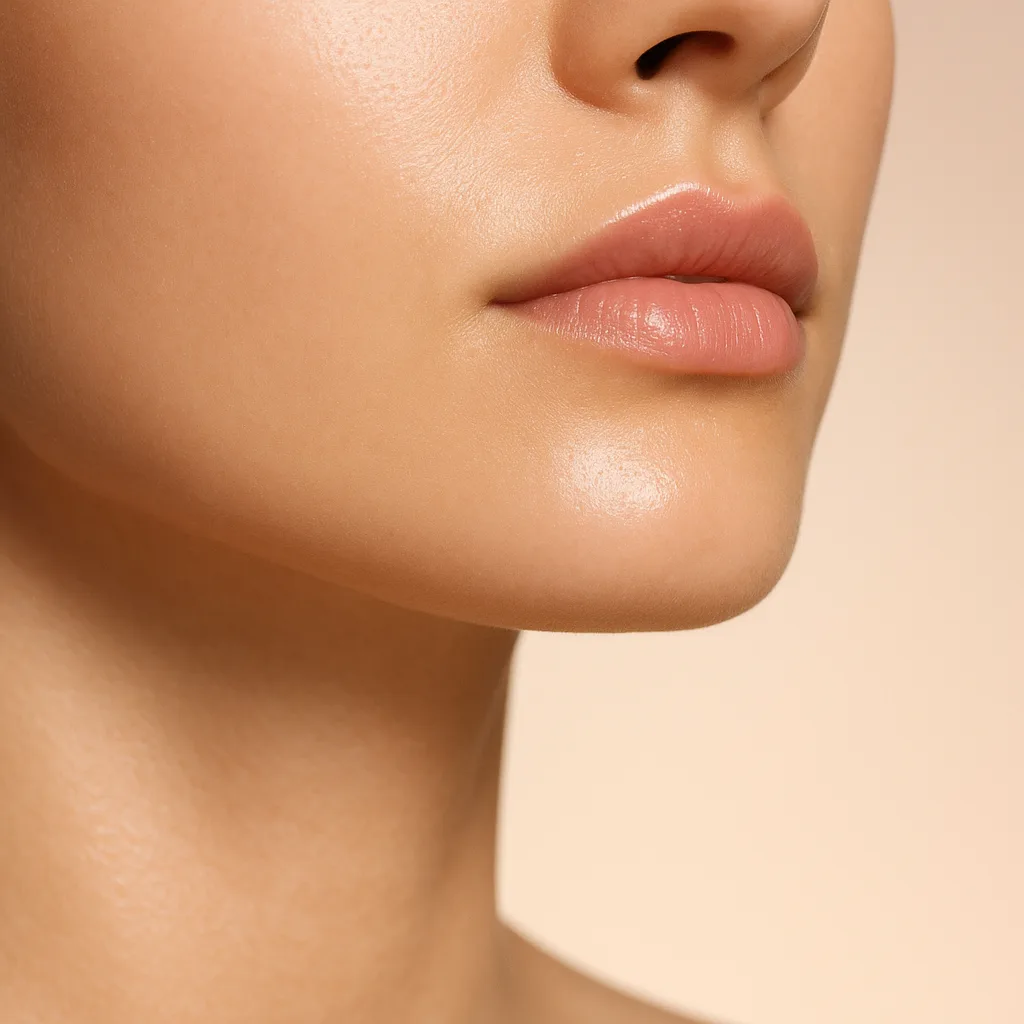
Anti-Glycation Skincare: Fight Invisible Aging
Sugar sneaks into everyday life through morning lattes, favorite desserts, and even fruits. Most people overlook its hidden impact on skin. Glycation quietly transforms flexible collagen—the scaffold that keeps skin plump and bouncy—into rigid, yellowed waste. This process accelerates with age and spikes from high-sugar diets. Skin loses its spring, sagging creeps in, and wrinkles deepen as dullness settles. All this builds years before mirrors reveal the damage.
Dermatologists agree glycation rivals sun exposure as a major aging culprit. Research suggests it stiffens collagen fibers, impairs elasticity, and triggers inflammation deep in the dermis. Everyday exposures compound the issue. Bread, pasta, and soda all contribute, and even stress hormones boost blood sugar to fuel the reaction. Collagen, once supple and strong, cross-links into brittle fragments until the skin architecture crumbles from within.
The solution lies in anti-glycation skincare. Targeted ingredients block sugar from binding to proteins and neutralize harmful byproducts. Formulas rich in carnosine, alpha-lipoic acid, or plant extracts like green tea polyphenols shield collagen. Some even promote repair, restoring bounce and glow. These act from the inside out, preserving youthful structure long-term. Results appear gradually as the skin stays resilient and fine lines soften.
Think of it as armor against invisible foes. Traditional anti-aging focuses on surface wrinkles or sun spots, but anti-glycation dives deeper to halt a root cause of degradation. Users notice firmer texture, even tone, and lasting hydration. Experts recommend pairing topical care with balanced blood sugar through diet. Walks after meals and consistent hydration help flush excess sugars, while skincare amplifies these healthy habits.
What Is Glycation and AGEs?
Glycation happens when excess sugars in the body react with proteins, especially collagen and elastin. This reaction unfolds without enzymes; instead, free-floating glucose or fructose latches onto amino acids. Over time, these bonds harden into advanced glycation end-products, or AGEs. It is essentially the process of sugar caramelizing proteins into brittle structures.
Collagen forms the scaffold of youthful skin. Flexible and resilient, it stretches and snaps back with every expression. AGEs change that by creating rigid cross-links between collagen fibers, turning supple strands into stiff rods. Skin loses its bounce, and fine lines deepen into wrinkles. Research suggests these cross-links accumulate steadily, accelerating visible aging from the inside out.
Inflammation piles on the trouble. AGEs bind to receptors on skin cells, sparking low-grade chronic inflammation. This oxidative stress damages cells further, breaking down even more collagen. Stiffer skin leads to more inflammation, which causes deeper damage. What starts as invisible changes beneath the surface eventually emerges as dullness, roughness, and a lost glow.
Glycation affects everyone, but diet plays a starring role. High-sugar foods and processed carbs flood the bloodstream with reactants. Blood sugar spikes from sodas or pastries speed the process, and lifestyle factors amplify it. Smoking generates AGEs directly, while UV exposure worsens the buildup. The result is skin that ages faster than the calendar suggests.
This invisible aging ties into larger skin longevity trends. Glycation reveals why anti-aging goes beyond surface-level treatment; it targets the hidden rigidity stealing firmness.
The Science Behind Sugar Skin Damage
When sugar molecules in the bloodstream react with proteins, the resulting AGEs make skin lose its bounce. Diet plays a starring role here. Foods loaded with sugars and refined carbs flood the body with glucose, and that excess fuel accelerates the degradation. Dermatologists agree habitual high-sugar diets show faster skin aging signs, as the damage compounds daily.
UV rays crank the process higher. Sunlight generates free radicals that trigger oxidative stress, and these radicals pair with sugars to supercharge AGE formation. Studies reveal photodamaged skin accumulates far more AGEs than protected areas. Sun-exposed forearms, for example, stiffen quicker than shaded ones. UV hits collagen cross-links hardest, mimicking decades of aging in months.
Pollution joins the fray. Urban smog and particulate matter release toxins that provoke oxidative stress. These invaders inflame skin at a low simmer, a state called inflammaging. Chronic inflammation feeds glycation loops, and oxidative bursts from pollutants brown proteins faster, much like sugars alone. City dwellers face double trouble: grime plus sun.
Inflammaging ties it together. This subtle, ongoing inflammation stems from diet, UV, and pollution overload. It sustains oxidative stress, where free radicals outpace antioxidants. Skin cells suffer, collagen frays, and AGEs pile up. The cycle worsens with age, explaining why mature skin yellows and sags. Research paints a clear picture: photodamaged skin brims with AGEs, linking sun history to glycation scars.
Top Anti-Glycation Ingredients
Specific actives target these issues head-on. Carnosine leads the charge. This dipeptide acts like a molecular janitor, sweeping in to break apart those stubborn cross-links formed by AGEs. Research suggests carnosine also scavenges reactive precursors before they wreak havoc on collagen and elastin. Skin looks plumper and firmer as a result. For deeper details, check the skincare ingredients glossary.
Alpha-lipoic acid follows close behind. A powerhouse antioxidant, it neutralizes free radicals that kickstart glycation. This ingredient recycles other antioxidants like vitamins C and E, amplifying their effects. It slips deep into skin cells, blocking sugar from binding to proteins. Expect smoother texture and reduced fine lines over time.
Benfotiamine steps up next. A fat-soluble form of vitamin B1, it tackles glycation at its root. By boosting enzymes that clear excess sugars, it prevents AGE buildup in the first place. Studies highlight its role in protecting skin's structural proteins, making it ideal for mature skin prone to stiffness and sallow tone.
Polyphenols from green tea round out the lineup. These plant compounds, rich in catechins like EGCG, offer broad defense. They inhibit glycation enzymes and trap precursors mid-process. Green tea extracts also calm inflammation tied to sugar damage.
- Carnosine: Severs AGE cross-links, restores bounce.
- Alpha-lipoic acid: Neutralizes radicals, boosts antioxidant network.
- Benfotiamine: Halts sugar-protein reactions early.
- Green tea polyphenols: Blocks enzymes, soothes irritation.
Stack these into routines wisely. They complement staples like hyaluronic acid and provide a necessary layer of protection that traditional anti-aging products might miss.
Anti-Glycation vs Traditional Anti-Aging
Retinoids, peptides, and antioxidants dominate the anti-aging shelf for good reason. Retinoids accelerate cell turnover, pushing fresh skin cells to the surface. Peptides act like messengers, cueing fibroblasts to ramp up collagen and elastin production. Antioxidants stand guard against oxidative stress, mopping up free radicals from pollution and UV exposure. These powerhouses deliver visible results, as consistent use fades wrinkles and evens tone.
Anti-glycation ingredients tackle a different beast. Traditional anti-agers focus on renewal and repair at the surface or mid-layers. Anti-glycation works deeper by blocking sugar-protein reactions and preserving the flexible scaffold holding everything together. Think of it this way: retinoids resurface a worn road, while anti-glycation keeps the foundation from cracking under pressure.
The beauty lies in their teamwork. Retinoids exfoliate and renew while anti-glycation maintains elasticity underneath. Pair them, and skin fights aging on multiple fronts. Peptides boost new collagen, and anti-glycation protects the existing fibers from stiffening. No single ingredient covers it all, so stacking them creates synergy.
Users see the difference in real routines. Someone using retinoids alone might smooth texture but still feel a loss of firmness. Add anti-glycation, and bounce returns. This combination addresses both visible signs and hidden damage.
Building an Anti-Glycation Routine
A focused routine starts with essentials that protect your skin's collagen from breaking down. Focus on actives that block glycation, paired with hydration for the barrier and broad-spectrum sunscreen. Layering thoughtfully ensures consistency, which is what matters most.
Begin the morning with a gentle cleanse to refresh without stripping. Follow with an anti-glycation serum containing carnosine or alpha-lipoic acid. Next, layer niacinamide to strengthen the barrier and even tone. If your skin prefers brightness, swap in vitamin C instead; its antioxidant punch pairs perfectly with glycation defense. Seal everything with a moisturizer rich in ceramides or hyaluronic acid to lock in actives. Finish with sunscreen, as UV rays accelerate glycation faster than sugar alone.
Evenings shift to repair. Cleanse again to remove the day's buildup and reapply your anti-glycation serum. Let it absorb fully before moisturizing generously. Skip heavy actives like retinol here if you are just starting, to avoid overload. The barrier needs rest to function optimally.
Suggested Routine:
AM:
- Gentle cleanser
- Anti-glycation serum
- Niacinamide or vitamin C
- Barrier moisturizer
- Broad-spectrum SPF 30+
PM:
- Cleanser
- Anti-glycation serum
- Niacinamide or vitamin C (optional)
- Rich moisturizer
Patch test new actives and introduce them one at a time. Most see firmer texture and less dullness after four to six weeks of dedicated use.
Lifestyle Factors to Reduce Glycation
Lifestyle changes hit glycation where it starts. Topical skincare fights the symptoms, but diet and movement tackle the root causes by slashing AGEs throughout your body. Lower systemic AGEs mean less damage to collagen and elastin.
High blood sugar fuels glycation like gasoline on a fire. Every sugary snack or refined carb spikes it, binding sugars to proteins and stiffening tissues over time. A low-sugar diet curbs this process effectively. Swap sodas and pastries for whole foods like veggies, lean proteins, and healthy fats. Your skin will show fewer cross-links that lead to sagging. Blood sugar stability also supports a thriving skin microbiome, which helps the barrier stay strong.
Polyphenols step in as natural defenders. These plant compounds block glycation reactions before they ramp up. Load your plate with berries, which are burst with antioxidants that quench free radicals. Dark chocolate, green tea, and olive oil offer potent doses as well. Studies show polyphenol-rich eating patterns preserve skin elasticity better.
Exercise seals the deal. Movement improves insulin sensitivity, keeping blood sugar in check and AGEs at bay. Aim for a mix of brisk walks, strength training, or yoga. Even 30 minutes most days lowers inflammation and boosts circulation. Oxygen-rich blood delivers nutrients to skin cells, countering the stiffening effects of sugar.
Who Benefits Most from Anti-Glycation?
Mature skin stands to gain the most from these strategies. As decades pass, collagen fibers stiffen under glycation's grip. Research suggests this process ramps up after 40, when natural repair slows. Folks in their 40s, 50s, and beyond often spot the shift first: sallow tone, a slack jawline, or crepey texture. Dialing back glycation restores resilience and firmer contours.
High-sugar dieters follow close behind. Daily lattes, sodas, and pastries add up, fueling the AGEs that yellow the skin from within. Switching to anti-glycation habits and topicals helps the tone even out. Urban dwellers also benefit significantly. City air packs pollutants that spike glycation, and when paired with stress, the toll multiplies. Protection layers help block this environmental assault.
Longevity seekers benefit across the board. Anti-glycation goes beyond vanity; it supports cellular health and whole-body vitality. Using an AI skin analysis tool like Lumino Skin can help identify these subtle changes in texture and elasticity before they become permanent.
Signs you are a prime candidate for change:
- Stubborn dullness despite hydration.
- Crepiness around the eyes or neck.
- Lines that resist your usual anti-aging routine.
Future of Anti-Glycation Research
Researchers are pushing boundaries to target glycation at its root. Emerging biotech edges closer to a reality where we can stop sugar molecules from stiffening collagen fibers entirely.
Enzyme inhibitors lead the charge. These compounds block AGEs from forming in the first place. While traditional topicals fight the aftermath, inhibitors aim upstream. Early lab work shows they preserve skin's bounce and clarity. Potent versions could soon appear in mainstream serums, disrupting the glycation cascade with precision.
Oral supplements add another layer. Research suggests ingredients like certain peptides and antioxidants circulate through the bloodstream to neutralize AGEs systemically. Users report firmer texture over months when pairing these with topicals. Furthermore, stem cell technology might eventually repair existing damage, coaxing fresh collagen growth to replace stiffened fibers.
Personalization elevates everything. Apps like Lumino Skin can now analyze your face to decode markers like loss of plumpness, suggesting custom regimens based on your specific needs. Whether it is enzyme inhibitors for those with high-sugar diets or regenerative boosters for mature skin, data makes anti-glycation proactive rather than reactive.
The Bottom Line
Anti-glycation skincare shifts the focus from surface fixes to the source of structural aging. By targeting the process where sugar molecules bind to proteins, you can maintain firmness and radiance longer. Research suggests glycation is an inevitable part of aging, but its speed is within our control.
Start simple by integrating a serum rich in carnosine or alpha-lipoic acid. These powerhouses neutralize AGEs before they can do lasting damage. Follow with antioxidants and daily sunscreen to prevent UV rays from supercharging the process. Over time, texture smoothens and elasticity rebounds.
As science races ahead, new peptides and delivery systems will continue to improve how we handle sugar-related damage. Glycation no longer has to rule silently. By evolving your routine and focusing on prevention, you can ensure your skin remains supple and radiant for years to come.
Drafted using Lumino AI.
This content is for informational purposes only and is not medical advice.
Learn how we review skincare guidance in our methodology.
Last updated: March 13, 2026
Written by
Lumino AI