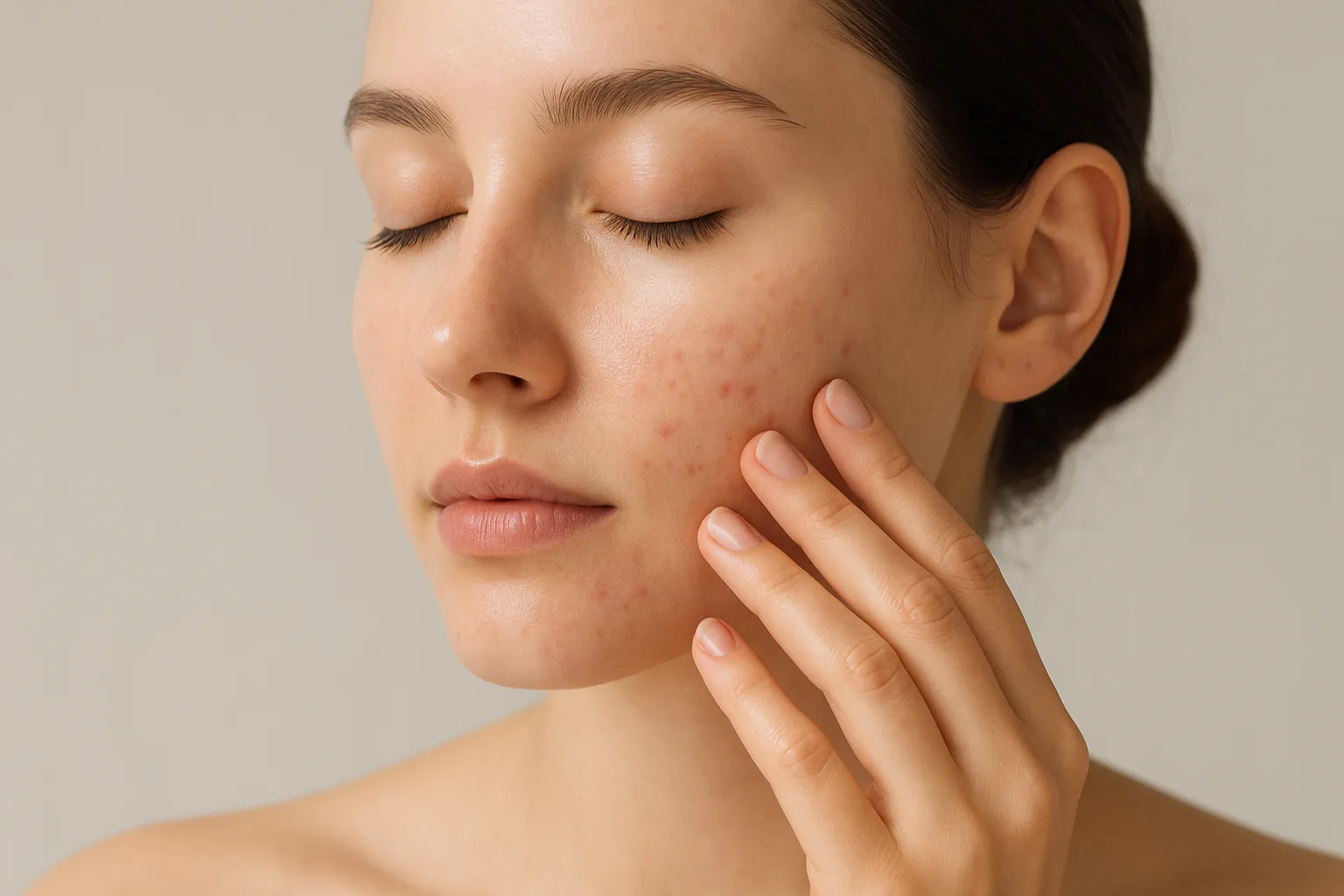
Fungal Acne: Spot and Treat It
Ever stared at those stubborn little bumps on your forehead, chest, or back and wondered why nothing seems to touch them? You apply benzoyl peroxide, layer salicylic acid, and perhaps even swear off dairy for a week. Yet they linger—itchy, uniform, and seemingly immune to your entire arsenal. These spots might not be your garden-variety bacterial acne at all. They often point to fungal acne, a sneaky culprit that dermatologists encounter more frequently than patients realize.
These breakouts typically appear as clusters of tiny, red-tipped pustules of a consistent size, popping up in oily zones like the T-zone or along the hairline. They tend to itch rather than hurt and spread in warm, humid patches, especially after workouts. Unlike classic whiteheads that respond to drying agents, these hold tight. Research suggests they flare in sweaty environments, and certain skincare ingredients can inadvertently fuel the frenzy, turning a standard cleanser into an unwitting accomplice.
Fungal acne stems from an overgrowth of Malassezia yeast, a natural skin dweller that can become problematic under specific conditions. This yeast thrives on sebum and flourishes in occluded pores. Heavy emollients or fatty acids in products can tip the scales, allowing the yeast to clog follicles and spark inflammation. Early recognition changes everything; months of trial-and-error with antibacterial topicals can waste time and potentially worsen the issue by stripping the skin barrier.
Spotting the difference is the first step toward relief. While bacterial acne often presents as irregular pimples, cysts, and blackheads, fungal versions stay uniform and resist traditional acne medications. If your bumps seem to explode after using heavy moisturizers or during heat waves, you likely have your answer. Tackling this condition becomes straightforward once you focus on starving the yeast while soothing the skin.
What Is Fungal Acne (Malassezia Folliculitis)?
Known clinically as Malassezia folliculitis, this condition arises from a yeast overgrowth within the hair follicles. While it mimics typical acne at first glance, the root cause sets it apart from the bacterial variety.
Bacterial acne involves clogged pores where oil, dead skin cells, and bacteria like Cutibacterium acnes create inflammation, leading to blackheads and deep cysts. In contrast, fungal acne is driven by Malassezia, a yeast that lives on everyone’s skin as part of the normal microbiome. It becomes a problem only when it grows unchecked, particularly on oily areas like the forehead, chest, and back. Research suggests it feeds on skin oils, breaking them down into irritating byproducts.
Several factors can tip this delicate balance. Heat and humidity create a breeding ground as sweat traps moisture against the skin. Tight clothing or heavy occlusive products seal in that warmth, while oral antibiotics can wipe out competing bacteria, allowing the yeast to dominate. The result is a rapid proliferation of uniform, pinhead-sized pustules that are often itchy enough to disrupt daily comfort.
These patterns offer essential clues for identification. Fungal acne favors the upper face and body areas prone to perspiration. Forehead flare-ups often signal oilier scalps or the frequent use of hats, while chest and back outbreaks are frequently linked to gym sessions. Understanding these hotspots helps pinpoint the culprit before the condition spreads.
Key Signs to Identify Fungal Acne
The visual presentation of fungal acne is distinct: tiny, uniform whiteheads that cluster together in an orderly fashion. Unlike bacterial acne, you will rarely see blackheads or varying sizes of pimples. Instead, expect consistent, small bumps that may have a soft, yeast-like texture under the skin.
The sensation of itchiness is a major differentiator. Many experience a persistent prickling or crawling feeling, especially in humid weather. Dermatologists note that this irritation stems from the yeast thriving in moist environments. Because these bumps demand scratching, the condition can easily spread if not addressed correctly.
Location and treatment response provide further evidence. Fungal acne loves the upper body—specifically the forehead, T-zone, chest, back, and upper arms. If your routine includes heroes like benzoyl peroxide or retinoids and you see no improvement after several weeks, it is a strong indicator that you are dealing with yeast rather than bacteria. These ingredients target bacterial pathways that Malassezia simply ignores.
Other conditions can sometimes confuse the diagnosis. Closed comedones also appear as small whiteheads, but they feel firmer—like tiny pearls—and lack the signature itch. Keratosis pilaris, often called "chicken skin," creates rough, sandpaper-like bumps on the arms and cheeks, but it stems from keratin buildup rather than yeast.
Modern technology can assist in making these distinctions. Using an AI skin analysis tool like Lumino Skin allows you to upload photos for a detailed scan. The algorithms look for specific traits—such as uniform size and distribution patterns—that might be missed by the naked eye, helping you move toward the right treatment plan faster.
Common Triggers and Risk Factors
Malassezia thrives in specific environments, with humid weather topping the list. Warm, moist air creates the perfect breeding ground, which is why dermatologists often see flare-ups spike during tropical vacations or steamy summers. When skin stays damp, the yeast multiplies rapidly.
Skincare choices also play a significant role. Heavy occlusive moisturizers can trap heat and moisture against the skin, forming a barrier that blocks airflow. This setup allows yeast to feed and grow unchecked. Switching to lightweight, breathable options can hydrate the skin without suffocating the pores. Similarly, sweaty workouts ramp up the risk. Exercise-induced sweat mixes with skin oils and clogs pores, making it vital to change out of damp clothes and shower immediately after activity.
Medications can be an unexpected trigger. Antibiotics, while necessary for many infections, can wipe out the "good" bacteria that keep yeast in check. When the bacterial population drops, yeast often steps in to fill the gap. If you are on a course of antibiotics, being extra vigilant with your skincare can help prevent a secondary fungal breakout.
Specific ingredients act as direct fuel for the yeast. High-fat esters, fatty acids, and even popular ingredients like squalane can backfire for those prone to fungal acne. While squalane is prized for hydration in most routines, it can feed Malassezia in others. Checking labels for polysorbates and fermented ingredients is essential for maintaining a clear complexion. At its core, fungal acne is a signal of a microbiome imbalance. To understand how to keep your skin's ecosystem healthy, you can explore more in a dedicated skin microbiome guide.
Skincare Routine to Clear Fungal Acne
A successful routine for this condition is minimal and focused. Overloading the skin with too many products can inadvertently feed the yeast. Aim for a simple three-step process: cleanse with an antifungal agent, hydrate with a non-feeding moisturizer, and protect with sunscreen.
Evening Routine: Start by removing the day's residue. Use a sulfur or ketoconazole wash, as these ingredients directly disrupt fungal growth. Lather gently, leave the product on the skin for about a minute to allow the active ingredients to work, and then rinse thoroughly. Follow this with a lightweight, gel-based moisturizer. These formulas absorb quickly and provide hydration without the heavy oils that yeast prefers.
Morning Routine: Keep things simple. Rinse with a gentle cleanser or your antifungal wash if the breakout is active. Apply your lightweight moisturizer and finish with a non-comedogenic sunscreen. UV rays can inflame the skin and slow the healing process, so a broad-spectrum, oil-free SPF is non-negotiable.
Because antifungal treatments can be drying, protecting your skin barrier is vital. A weakened barrier leads to increased sensitivity and further irritation. Incorporating products with ceramides that are specifically formulated to be "fungal-safe" can help maintain skin health while you treat the overgrowth. Consistency is the most important factor; it typically takes four to six weeks of a dedicated routine to see significant clearing.
Ingredients to Use vs. Avoid
When managing fungal acne, your ingredient list is your roadmap. You want to select "fighters" that starve the yeast and inhibit its reproduction.
Ingredients to Prioritize:
- Sulfur: A classic choice that dries out yeast colonies and calms inflammation. It is generally gentle enough for sensitive skin.
- Zinc Pyrithione: Often found in medicated shampoos, this ingredient is highly effective at inhibiting yeast growth when used as a face or body wash.
- Tea Tree Oil: A natural antifungal option. When properly diluted, it can penetrate pores to address the root of the breakout.
- Salicylic Acid: While primarily for bacteria, it helps exfoliate the follicle, making it harder for yeast to settle.
Ingredients to Avoid: The "danger list" is topped by most natural oils. Coconut, olive, and argan oils provide the fatty acids that Malassezia devours. Even certain esters like isopropyl myristate or caprylic triglyceride can mimic these oils and cause the yeast to multiply. Silicones like dimethicone should also be used with caution, as they can trap yeast and moisture against the skin.
By sticking to water-based, lightweight formulas and avoiding hidden yeast-feeders in "non-comedogenic" products, you can effectively starve the breakout.
OTC Treatments and When to Use Prescription
Over-the-counter (OTC) options are often the first line of defense. Medicated shampoos containing selenium sulfide or ketoconazole are frequently recommended by dermatologists to be used as a temporary face or body wash. Applying these to the affected area for a few minutes before rinsing can show results within days.
Antifungal creams containing clotrimazole (often found in athlete's foot treatments) can also be applied in a thin layer to clean, dry skin twice daily. These topicals target the yeast directly, helping to flatten bumps and reduce redness. Always perform a patch test on your inner arm before applying these to your face to ensure you don't have an adverse reaction.
If you see no improvement after four weeks of consistent OTC use, or if the rash is spreading rapidly and causing significant discomfort, it is time to consult a professional. A dermatologist can provide a definitive diagnosis, sometimes through a skin scraping or culture. For severe or persistent cases, they may prescribe oral antifungal medications like fluconazole. These systemic treatments are highly effective at knocking out the yeast from the inside out but should only be taken under medical supervision.
Preventing Fungal Acne Recurrence
Once your skin is clear, the focus shifts to maintenance. Since Malassezia is a permanent resident of the skin, the goal is to keep its population in check through daily habits.
Hygiene is the most effective preventative measure. Showering immediately after sweating ensures that yeast doesn't have time to multiply in a damp environment. Use lukewarm water rather than hot, as extreme heat can damage the skin barrier and make it more susceptible to irritation. Additionally, pay attention to your fabrics. Swap tight synthetic gym clothes for breathable cotton or moisture-wicking blends that allow for better airflow.
Long-term prevention also involves nurturing your skin's microbiome. Using pH-balanced cleansers (around 5.5) helps maintain an environment where beneficial bacteria can thrive and keep yeast in check. Avoid harsh, stripping antibacterials that might kill off the "good" microbes. By keeping your routine simple and avoiding known triggers like heavy oils, you can maintain a resilient, clear complexion.
FAQs on Fungal Acne Management
How long does treatment take? Most people see a visible difference within two weeks, but full clearance usually requires six to eight weeks of consistent care.
Can I wear makeup? Yes, but stick to oil-free, mineral, or water-based products. Avoid heavy cream foundations that contain esters or fatty acids, as these can trigger a relapse.
Does diet matter? While the link is indirect, high-sugar diets can sometimes promote yeast growth in the body. Focusing on whole foods and probiotics can support overall skin health.
Can I have both fungal and bacterial acne? Yes, it is possible to have "mixed" acne. In these cases, it is often best to address the fungal component first to reduce inflammation before introducing traditional acne treatments like benzoyl peroxide.
The Bottom Line
Fungal acne requires a specific strategy that differs from traditional blemish care. By focusing on antifungal ingredients and removing yeast-feeding oils from your routine, you can regain control over your skin. Tools like Lumino Skin's free skin analysis online can help you identify these patterns early, allowing you to bypass the frustration of ineffective treatments. With a minimal routine, breathable fabrics, and consistent hygiene, clear and resilient skin is well within reach.
Drafted using Lumino AI.
This content is for informational purposes only and is not medical advice.
Learn how we review skincare guidance in our methodology.
Last updated: April 1, 2026
Written by
Lumino AI