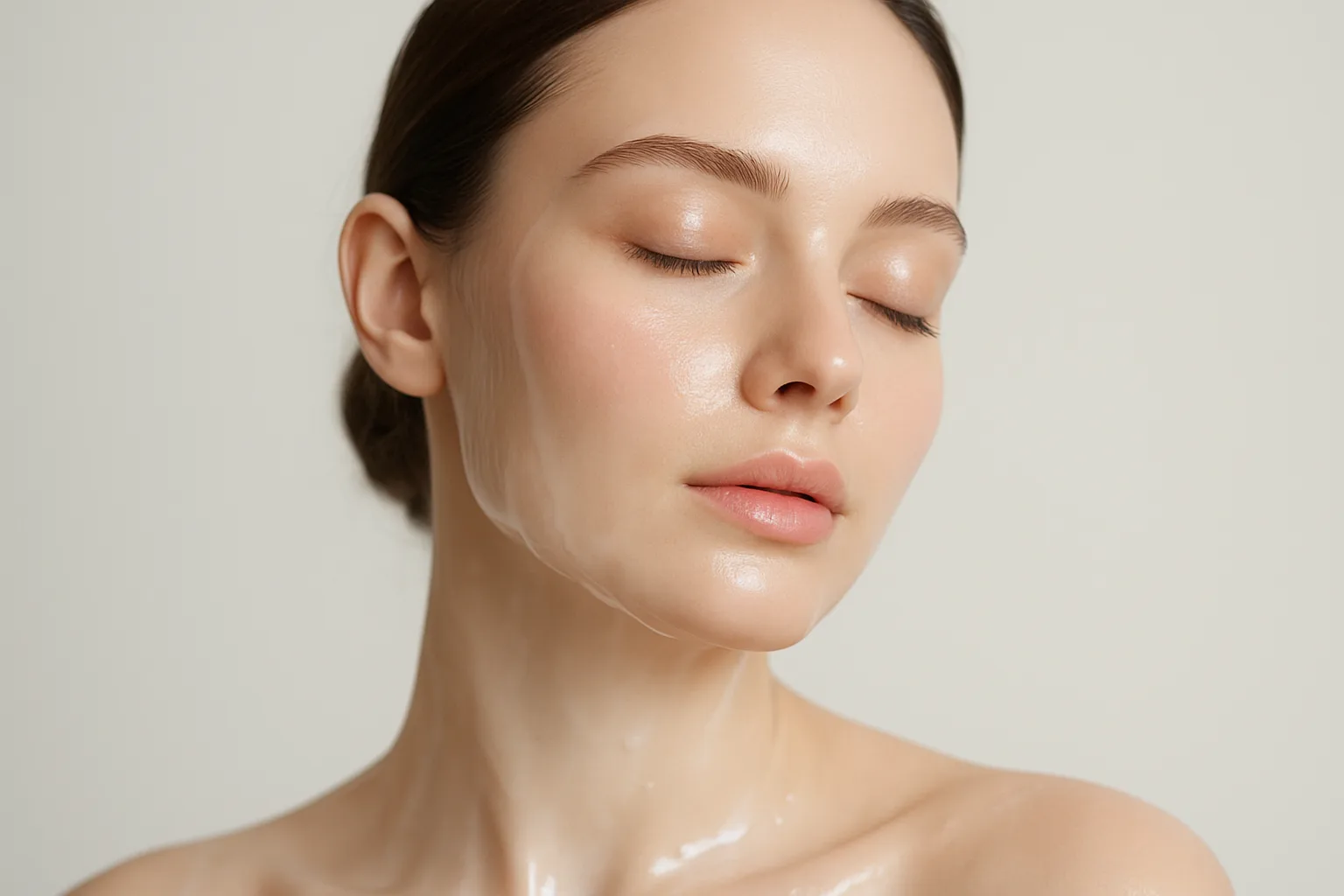
Milky Toners: The Gentle Skincare Revolution
Daily cleansing routines promise purity, but they often deliver something else entirely. Skin emerges stripped bare, tight as a drum, and primed for irritation. Layers of serums, creams, and oils usually follow in a desperate bid to repair the damage, creating a cycle where skin stays vulnerable, chasing balance in a routine that undermines it from the start.
Milky toners change that script. They have arrived as a gentle revolution in a bottle—a lotion-like essence that glides on and melts into immediate hydration. These creamy textures quench thirst without heaviness, while subtle exfoliation smooths texture in the background. The result feels plush and protected. Skin drinks it up, rebounding with a soft glow that lingers.
Much of this power comes from fermentation. Ingredients like rice water or milk derivatives are transformed by microbes to unlock soothing compounds that calm redness and fortify the barrier. Dermatologists note that fermented ingredients often mimic the skin's own biome, fostering resilience over raw aggression. No harsh acids dominate here; instead, quiet refinement preps the face for whatever comes next.
Barrier health becomes effortless with this approach. While aggressive actives like retinols and AHAs deliver results, they also demand caution. Pairing them with a milky toner helps irritation fade. Hydration layers build naturally, texture refines without fallout, and pores appear minimized. Over time, fine lines soften as the skin holds its ground, remaining plush and prepared.
This shift resonates because skincare overload has become a common burden. Many users layer more yet feel less satisfied. Milky toners strip away the excess drama, restoring simplicity with sophistication. Applied after cleansing, the plush veil stays all day, and the glow builds cumulatively. Users frequently report calmer complexions within days as dry patches vanish and makeup sits more flawlessly.
What Are Milky Toners?
Milky toners evolved from classic water-based liquids into a luxurious hybrid. Rather than a splash of clear liquid that evaporates on contact, these formulas offer a velvety, lotion-like embrace. They coat the skin with a subtle sheen, hydrating deeply without the instant absorption of their watery counterparts. This creamy texture comes from emulsified oils and humectants, creating an opaque finish that preps the face perfectly for serums and moisturizers.
Their roots trace back to East Asian beauty traditions. Enthusiasts have long championed fermented rice water for glowing complexions, a practice involving soaking rice to extract starches and enzymes to refine texture. Modern milky toners build on that wisdom, transforming humble ingredients into high-performance elixirs. Rice extract remains a cornerstone, delivering brightening antioxidants and soothing properties that calm irritation.
Galactomyces ferment filtrate also takes center stage. This yeast-derived powerhouse hydrates intensely and strengthens the skin barrier. Experts agree it helps balance the microbiome, fostering resilience against environmental stressors. Additionally, mild AHAs like lactic or mandelic acid are often present in trace amounts to subtly slough off dull cells, revealing smoother skin without the sting of stronger exfoliants.
Fermentation elevates the efficacy of these products. By cultivating ingredients with microbes, brands unlock bioavailable nutrients. Rice ferments, for instance, yield higher concentrations of vitamins and amino acids. The process breaks down complex molecules, making them easier for the skin to absorb. Research suggests this turns a simple toner into a multitasking marvel where hydration surges and brightness improves with minimal effort.
The Science of Gentle Exfoliation
Gentle exfoliation relies on chemistry and biology working in harmony. Milky toners often lean on low-dose lactic acid, a mild alpha hydroxy acid derived from milk sugars. This active slips into the surface layers to loosen the bonds between dead cells. Because concentrations typically stay under 5 percent, the skin feels renewed without the raw redness or tightness that harsher acids provoke. This approach respects the natural biological rhythm of cell turnover.
Enzymes take the process further. Extracts from papaya or pineapple are rich in natural proteases that target dead skin cells like tiny scissors. They snip peptide bonds precisely without mechanical scrubbing. Research suggests enzymes dissolve only the outermost layer, leaving healthy cells untouched. This precision minimizes disruption to the skin barrier, allowing hydration levels to hold steady while inflammation stays low.
The inclusion of probiotics and prebiotics through fermentation creates a "brewing" process for the complexion. These elements feed the skin's microbiome—the community of microbes living on the surface that acts as a shield against pathogens. A balanced microbiome strengthens the barrier against environmental stressors. Furthermore, ferments have a smaller molecular size, allowing actives to penetrate deeper where they matter most.
Disruptions from aggressive exfoliants or pollution often throw this ecosystem off kilter, leading to sensitivity and breakouts. Milky toners help restore equilibrium. Studies show that supporting the microbiome with these gentle formulas calms irritation and enhances long-term resilience. Power emerges from patience; the skin transforms gradually, and radiance builds over weeks rather than overnight.
Key Benefits for Skin Health
Milky toners deliver tangible wins for skin health, starting with a significant hydration boost. Formulations packed with humectants like hyaluronic acid and glycerin draw moisture deep into the tissue, leaving the complexion plump and dewy. These ingredients can hold significant weight in water, keeping the face hydrated throughout the day without a sticky residue.
Strengthening the skin barrier is another primary benefit. Ceramides and fatty acids in these toners mimic natural lipids to seal in moisture and shield against pollution. This repair work prevents transepidermal water loss, which is a common culprit behind dryness. Sensitive skin types find rare relief here, as the milky texture soothes without stripping natural oils.
For those using retinoids, these toners serve as a perfect buffer. Retinol often leaves the skin parched, but the calming hydration of a milky formula helps mitigate those side effects. It restores balance, allowing for a consistent routine without the need for "recovery days."
Visible improvements often include:
- Immediate Hydration: Skin feels bouncy and loses that post-wash "tight" sensation.
- Texture Refinement: Within 7-10 days, surface roughness diminishes and fine lines appear softer.
- Redness Reduction: Soothing extracts like oat or centella calm inflammation by the second week.
- Luminous Tone: After a month of use, rice ferments help soften hyperpigmentation for a brighter look.
Milky Toners vs. Traditional Toners
Milky toners stand in stark contrast to the sharp sting of alcohol-based astringents. While old-school favorites tighten pores with a brisk, drying swipe, they often disrupt the skin's acid mantle. Alcohol strips natural oils, leading to a cycle of dryness and irritation. Even watery essence-style hydrators, while gentler, often lack the staying power needed in dry or heated environments.
The hybrid nature of milky toners bridges this gap. Emulsified formulas blend water, oils, and emollients to form a sheer veil that mimics the skin's own lipid barrier. By incorporating ceramides and fatty acids, they rebuild what is lost to harsh cleansers or environmental stress. In a parched city or during winter months, these versions seal in goodness and combat water loss effectively.
This is particularly beneficial for compromised barriers, such as the aftermath of over-exfoliation. While alcohol astringents would inflame the area further, milky toners deliver calming actives like niacinamide and peptides deep into the skin. The creamy base buffers irritation, and studies show barrier function can improve within just a few days of consistent use.
The layering potential also sets them apart. Astringents usually demand caution before applying other products, but milky toners invite synergy. Serums sink in more effectively, and moisturizers lock tight over the emollient base. This prevents the dehydration cycles common in dry climates, allowing a natural glow to emerge.
How to Incorporate Milky Toners
Integrating these products into a regimen is simple. They serve as the bridge between cleansing and treatment, creating a plush base that prevents subsequent products from sliding off.
In a morning routine, cleanse with a mild foaming or cream wash, then apply the milky toner using a cotton pad or clean hands. Let it sink in for 30 seconds before following with a niacinamide serum. The toner’s emollient film helps the serum penetrate evenly, refining pores without irritation. Finish with a moisturizer and broad-spectrum SPF to keep the skin plump.
Evening routines should shift toward repair. After a double cleanse to remove makeup or sunscreen, layer the milky toner followed by a peptide serum. The humectants in the toner boost the firming effects of peptides, supporting collagen production overnight. Finish with a richer night cream or occlusive balm to enhance barrier strength while you sleep.
Pro tips for application:
- Frequency: Start three to four times a week, building to twice daily as the skin adjusts.
- Patch Testing: Always dab a small amount behind the ear for 24 hours to check for reactivity.
- Layering Order: Always apply the milky toner before thicker creams to ensure actives follow smoothly.
For a more personalized approach, using an AI skin analysis tool like Lumino Skin can help determine exactly where a milky toner fits into your specific concerns, whether you are dealing with seasonal dryness or persistent sensitivity.
Who Benefits Most?
While versatile, milky toners are a game-changer for specific groups. Sensitive skin types, which often react to fragrances and alcohols, find relief in these creamy, fragrance-free formulas. Research suggests these textures calm inflammation better than watery counterparts by restoring the barrier gently.
Dry skin also finds immediate relief. Flakiness and post-cleansing tightness are mitigated by rice extracts and ceramides that lock in moisture. Similarly, acne-prone skin benefits during recovery phases. When harsh treatments leave the face raw, milky toners soothe without clogging pores, while niacinamide variants help balance oil production.
Post-treatment care is perhaps where these toners shine most. After chemical peels, microdermabrasion, or laser sessions, the skin requires intense calm. Milky toners buffer harsh residues and hydrate depleted layers to prevent rebound irritation.
To find the right match, it helps to understand your specific profile. Using the Lumino Skin app to identify your Baumann Skin Type—a system sorting skin into 16 categories—can narrow down whether you need an oat-based milk for fragility or a fermented rice version for oil balance.
- Sensitive: Prioritize ceramide-rich milks for barrier repair.
- Dry: Seek hyaluronic acid emulsions for a deep quench.
- Acne-Prone: Opt for salicylic-laced milks that treat without stripping.
- Post-Procedure: Stick to fragrance-free versions for pure comfort.
The Future of Milky Formulas
The evolution of this category is moving toward even more specialized ingredients. Peptide-infused formulas are becoming more common, targeting fine lines and firmness within the milky base. These textures feel like silk and ensure that results build steadily over weeks, allowing a natural glow to emerge without the need for aggressive resurfacing.
Biotech ferments are also pushing boundaries. Laboratories are cultivating pure plant extracts that balance the microbiome and strengthen defenses against irritants. Hybrid versions that blend these ferments with ceramides allow the skin to rebuild its barrier faster than ever.
As personalization becomes the standard, the way we use these products is changing. Digital tools now analyze tone and texture in seconds to suggest specific milky toners. If a scan detects dry patches, a peptide-boosted version might be recommended; if the T-zone is oily, a ferment-rich option is suggested. This precision ensures that the routine adjusts as the seasons shift, making skincare both smarter and more effective.
The Bottom Line
Milky toners have solidified their place as a staple because they redefine "gentle" as "powerful." They slip into routines with ease and remain approachable in price and availability. By respecting the skin's natural balance and supporting the microbiome, they offer a long-term solution to the irritation caused by modern environmental stressors.
The magic lies in the texture: a blend of deep hydration and subtle refinement. As we move toward routines that favor high-potency actives like retinoids, these toners provide the necessary foundation. They ensure the skin stays plump and calm, even when faced with intense treatments.
Commitment to this step pays off. Over time, texture smooths, radiance builds, and the skin barrier becomes more resilient. By embracing the milky toner trend, you are choosing a path of sustained health and a lit-from-within glow that lasts.
Drafted using Lumino AI.
This content is for informational purposes only and is not medical advice.
Learn how we review skincare guidance in our methodology.
Last updated: March 8, 2026
Written by
Lumino AI