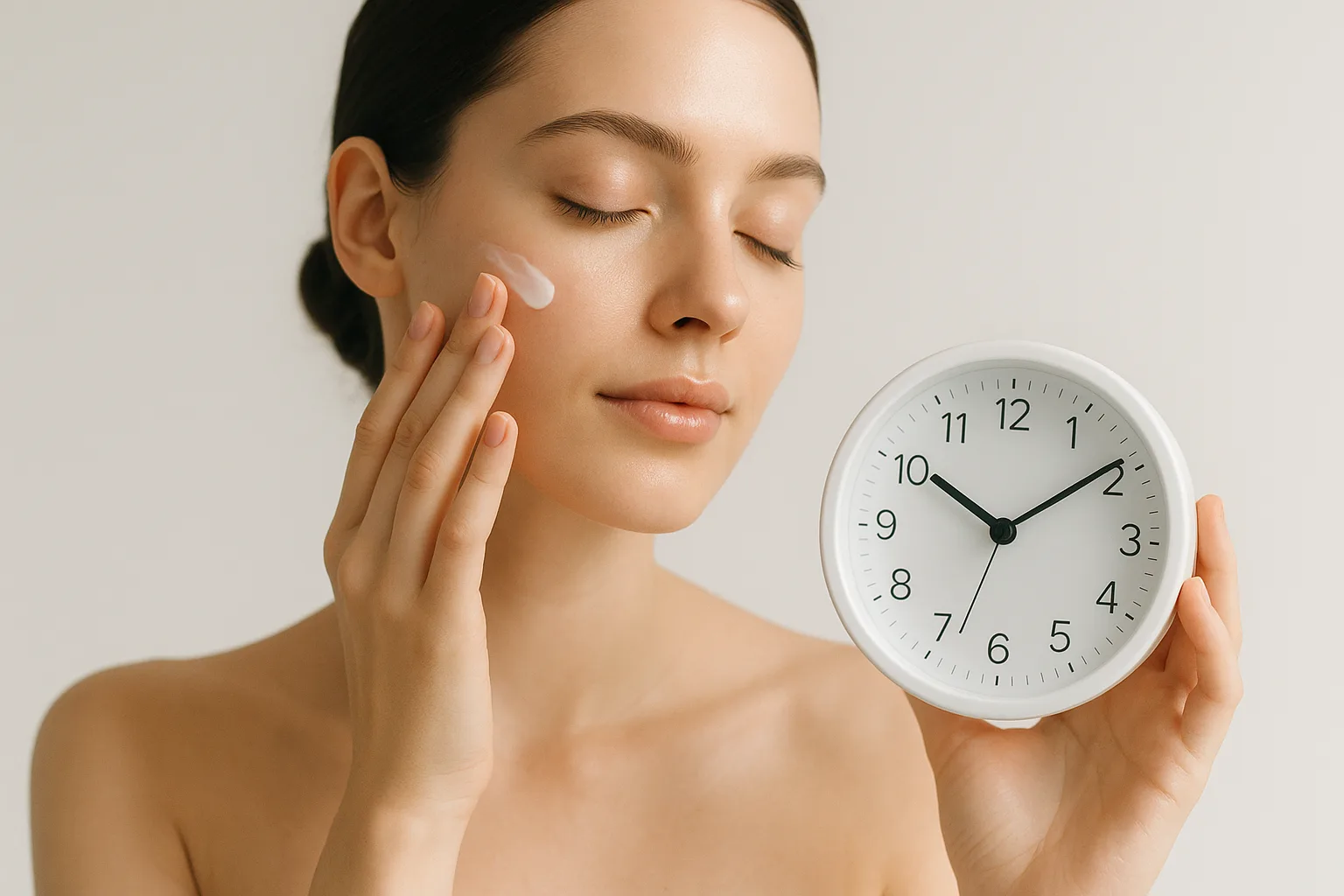
Circadian Skincare: Timing Your Routine for Better Skin
Here’s the honest thing: skincare can feel like a daily negotiation. Wake up, grab whatever is within reach, layer on a few products, and hope the finish looks okay under the day. But your skin has its own rhythm, and that rhythm matters. It is not just a passive surface waiting for moisturizer and sunscreen. It is busy. Around the clock, it shifts between defense, repair, renewal, and recovery.
Morning skin is on duty. It is dealing with daylight, pollution, stress, makeup, and the everyday grind. This is when the routine should lean toward protection. Gentle cleansing, hydration, antioxidant support, and sunscreen all have a job. They help skin face the day with a stronger, calmer, more resilient barrier. Dermatologists agree that daily sun protection is one of the smartest skincare moves, especially when it is part of a routine that actually feels doable.
Evening skin is in recovery mode. The day’s exposure has done its work, and now the skin is ready to slow down, breathe, and get to work under the covers. This is when restoration takes the lead. Cleansing, barrier support, nourishing serums, and targeted treatments can pair beautifully with the skin’s natural nighttime renewal. The goal is not to turn the routine into a complicated ritual. The goal is to give each product a better reason to show up.
Circadian skincare is simply the practice of matching your routine to the way your skin behaves at different times of day. Morning becomes about shielding and prep. Evening becomes about repair and recovery. When products are timed with the skin’s natural cycle, the routine feels less like a checklist and more like a thoughtful partnership.
It also makes skincare feel more personal. A routine that works with your skin’s rhythm can support a calmer barrier, a more even-looking complexion, and skin that feels better prepared for what the day brings. Understanding the daily shifts underneath that can make the routine easier to build.
What Is Circadian Skincare?
Circadian skincare is skincare shaped around skin chronobiology, the study of the skin’s daily biological clock. Think of your skin as having its own schedule, even when life is anything but predictable. It is constantly adjusting to light, darkness, temperature, hormones, meals, stress, and sleep. That rhythm influences how the skin protects itself, how it repairs damage, how hydrated it feels, and how reactive it may be.
In simple terms, daytime skin is more focused on defense. During the day, it is exposed to sunlight, pollution, heat, makeup, sweat, and the everyday friction of being outside your home. That does not mean the skin is under attack every second, but it does mean the morning routine is a good time to prioritize protection. A gentle cleanser if needed, a hydrating moisturizer, antioxidant support if that fits your routine, and sunscreen are the practical stars of the morning. Sunscreen is still the anchor here. Without it, other timing tricks lose a lot of their value.
At night, the priorities shift. With less environmental exposure, skin spends more time on repair and renewal. Cell turnover, barrier recovery, hydration balance, and damage control all become more important when the lights are off. This is why night routines often feel like the space for treatments like retinoids, exfoliants, or richer moisturizers, as long as your skin tolerates them and they fit your overall plan.
Research suggests that skin function changes across the 24-hour cycle, and dermatologists agree that consistency matters more than perfection. Circadian skincare is not a magic fix. It will not replace sunscreen, gentle cleansing, moisturizing, sleep, hydration, or a routine that your skin actually tolerates. It simply adds a thoughtful layer. Instead of asking, “What product should I use next?” it asks, “What is my skin most likely to need at this time?”
That shift can make a routine feel more intentional. It also connects skincare to the bigger picture of skin health, including habits that affect the barrier, inflammation, and long-term resilience. If you want to dig deeper, our guide to understanding skin health is a useful place to start, and the sleep and skin health guide can help explain why nighttime recovery matters so much.
What Changes in Skin from Morning to Night?
Your skin is not a flat surface sitting still. It is a living, clock-driven organ that quietly changes its priorities as the day turns into night. Think of it less like a machine running the same routine 24/7, and more like a neighborhood that changes jobs depending on the hour. In the morning, it is getting ready to face the outside world. At night, it shifts into maintenance mode.
During the day, the skin barrier is working hard as a shield. It is handling UV exposure, pollution, temperature swings, makeup, cleansing residue, and the everyday friction of life. Barrier permeability can increase as the day goes on, especially if the barrier is already stressed or under-moisturized. That is why skin may start to feel tighter, rougher, or more reactive by evening. If the barrier feels compromised, a calming routine focused on ceramides, humectants, and gentle care can help support recovery. A good place to start is this guide on how to repair your skin barrier: /blog/repair-skin-barrier-2025
Transepidermal water loss, or TEWL, usually rises at night. This means the skin can lose more water through the barrier while you sleep, which may explain why some people wake up with dullness, dryness, or that slightly stretched feeling. Hydration habits matter here. A richer night cream, a hydrating serum, or even a layer of occlusive product can make nighttime feel more supportive.
Sebum production also follows a rhythm. It tends to be higher during the day, often peaking around midday or afternoon for many people, then dropping at night. That is one reason oily skin may look shinier by lunch than it did in the morning. pH can shift too, influenced by sweat, sebum, cleansing, and the skin microbiome. These changes are usually subtle, but they can affect comfort, texture, and how products feel on the skin.
At night, the tone changes. Cell turnover ramps up, with skin cells more active in renewal and repair. DNA repair is also more active during the rest phase, especially after UV stress during the day. Antioxidant defense is part of the daytime conversation too, helping skin manage oxidative stress from sunlight and pollution. In simple terms, morning is about protection. Night is about recovery.
These rhythms are not set in stone. Sleep, stress, UV exposure, late nights, travel, and aging can all blur the pattern. Research suggests that circadian signals influence skin function, but dermatologists agree that chasing every tiny hourly trend is not the point. The smarter move is to work with the broad shape of the cycle.
That broader rhythm becomes easier to apply when the morning and evening routines are separated by purpose.
The Morning Routine: Protection First
The morning routine is where skin protection takes center stage. During the day, skin is on the front line, dealing with UV exposure, pollution, blue light, temperature swings, wind, and the everyday grind. So the goal is simple. Shield it well, keep it balanced, and avoid piling on so much that the skin feels stressed before the day even begins.
Start with a gentle cleanse. Morning skin usually does not need a deep, stripping wash, especially if it feels tight, dry, or sensitive overnight. A splash of water can be enough for some people, while others benefit from a mild, pH-friendly cleanser that removes sweat or product residue without leaving the skin squeaky clean. That little bit of squeakiness is a sign the skin barrier may have been overworked.
Next comes light hydration. A simple moisturizer or hydrating serum can help keep the barrier comfortable and resilient. This is especially useful in winter, during dry indoor heat, or after using active treatments the night before. The aim is to support the skin, not build a full skincare tower. A few drops of a humectant-heavy formula, followed by a lightweight cream, can make sunscreen apply more smoothly too.
Antioxidants can be a helpful morning step when appropriate. Ingredients like vitamin C, niacinamide, green tea, or ferulic acid may help support the skin against free radicals from pollution and UV exposure. Research suggests antioxidants can complement sunscreen, though they should not replace it. If the skin is reactive, start slowly and keep the formula simple.
Then comes the real star of the show: broad-spectrum sunscreen. Dermatologists agree that daily sunscreen is one of the most important steps for protecting skin from premature aging, discoloration, and long-term damage. If SPF feels confusing, a guide to sunscreen and SPF can help clarify what to look for. The best option is the one that feels comfortable enough to wear every morning under makeup, on its own, or before heading outside.
Morning choices can also shift with the environment. More time in traffic or near windows? Consider antioxidant support and a sunscreen that feels durable. Drier, colder mornings? A slightly richer moisturizer may help. Hotter, humid days? A lighter texture can prevent that heavy, sticky feeling.
The morning routine should feel protective, not complicated. It sets the foundation for the skin to handle the day. Evening care then shifts the focus from shielding to recovery.
The Evening Routine: Support Repair
The evening routine is where skincare gets a little more interesting. After a day of sunscreen, makeup, pollution, wind, and the occasional stress snack, the skin is ready for a reset. Nighttime care should feel less like prevention and more like recovery. Think barrier support, renewal, and calm, especially because the skin tends to be more receptive to repair when the day is over.
This is the time to bring in actives, but with intention. Retinoids are the big-name evening ingredient, and for good reason. Research suggests they can support collagen production, improve the look of fine lines, and help with clogged pores and uneven texture over time. The trick is patience. Start slowly, apply to dry skin, and keep it gentle, especially if you are new to retinol or retinoids. If you want the full picture, this guide is a good place to start: /blog/retinol-retinoids-complete-guide
Peptides are another evening-friendly favorite. They are the supportive teammates of the skincare world, helping the skin look firmer, smoother, and better hydrated without the drama of a major active. Pairing a peptide serum with a nourishing moisturizer can make evening care feel effective without feeling aggressive.
Moisturizer is not optional just because the routine is longer. It is the part that locks everything in and helps the barrier do its job. Look for ingredients like ceramides, fatty acids, cholesterol, glycerin, squalane, and panthenol. Calming ingredients such as centella asiatica, oat extract, green tea, and niacinamide can also help keep the skin comfortable, especially after retinoids or exfoliation.
The biggest mistake before bed is stacking too much. Retinoid, acid exfoliant, scrub, strong serum, and another retinoid can turn a helpful routine into an irritation party. Over-exfoliating weakens the barrier, which can lead to dryness, sensitivity, breakouts, and a skin type that suddenly needs repair more than renewal.
A simple evening rhythm works best: cleanse, treat if needed, moisturize, and let the skin recover. Some nights can be active nights. Some nights can be barrier nights. That balance is what makes evening skincare feel supportive instead of stressful.
Once the evening routine has a rhythm, ingredient timing becomes easier to understand.
Ingredient Timing: What to Use AM vs. PM
Daytime skincare is protection mode. Nighttime skincare is restoration mode. That simple split makes ingredient timing feel less like a puzzle and more like a plan.
In the morning, sunscreen is non-negotiable. It is the product that keeps your skin from replaying the same damage over and over. A broad-spectrum SPF goes on last in the AM routine, after moisturizer if you use one. Antioxidants pair nicely before sunscreen. Vitamin C, vitamin E, niacinamide, green tea extracts, and similar ingredients can help support the skin against environmental stress, while sunscreen handles the UV side of the equation.
Niacinamide is one of those friendly ingredients that fits almost anywhere. It can help support the skin barrier, calm the look of redness, and balance oil without being dramatic. A 2 to 5 percent formula in the morning can be a good daily option, especially under moisturizer and sunscreen.
At night, the goal shifts. This is when the skin has a little more freedom to repair, renew, and rebuild. Retinoids are the classic PM ingredient because they can support cell turnover, texture, fine lines, and long-term skin quality. Start gently, use a pea-sized amount, and keep them away from the corners of the nose, mouth, and eyes. If irritation shows up, pause. Skin needs recovery time, especially with retinoids.
Peptides, ceramides, and beta-glucans are excellent nighttime partners because they focus on support rather than intensity. Peptides can help the skin feel firmer and smoother over time. Ceramides help replenish the barrier. Beta-glucans bring soothing hydration, which is useful when the routine includes stronger actives.
Gentle exfoliants sit in the middle. AHAs and BHAs can improve texture and brightness, but they should not be thrown into the routine every night. A light schedule, such as one or two evenings per week, gives better results with less irritation. If the skin feels tight, shiny, stingy, or rough after exfoliating, that is a signal to step back.
Actives work best when they get space to breathe. Retinoids and exfoliants do not need to be stacked just because more feels like faster. Sometimes the smarter move is to let the barrier recover. For help building a rotation, the skin cycling guide is a good place to start: /blog/skin-cycling-guide-actives-rotation.
Once the timing makes sense, the next step is personalization.
Personalize the Clock: Skin Type, Age, and Lifestyle
Circadian skincare is not a one-size-fits-all ritual. The same morning moisturizer, evening retinol, and sunscreen can behave very differently depending on your skin type, age, and daily rhythm. Skin is not just a face. It is an organ with its own schedule, and that schedule changes from person to person.
Dry skin may need more support when the body clock is disrupted, because sleep loss and late nights can make barrier function feel even drier. Oily skin may respond differently to timing, especially when stress, late meals, or inconsistent sleep push oil production and inflammation into overdrive. Sensitive skin often needs gentler timing changes rather than a total routine reset. Pigmented skin benefits from extra care around sun exposure, since timing your sunscreen and antioxidant steps around daylight can help protect against uneven tone. Aging skin may rely more on evening recovery, when repair, hydration, and collagen-supporting ingredients can fit naturally into the skin’s nighttime rhythm.
The Baumann Skin Types system is useful here because it gives a clearer picture than “dry” or “oily” alone. If you want a more personalized map, this guide can help you understand the framework: /blog/understanding-the-baumann-skin-types.
Lifestyle matters just as much as skin type. Shift workers may need to treat their “morning” as the first bright-light and cleansing moment after waking, even if that means noon. Travelers crossing time zones may want to adjust gradually, leaning into light exposure, hydration, and simpler routines during the transition. Seasonal changes also shift the clock. Shorter days, colder air, indoor heat, and stronger sun all tell the skin different things. A seasonal routine can keep the same core steps while changing the texture, amount, and timing of products. For that kind of reset, this seasonal skincare guide is a helpful place to start: /blog/seasonal-skincare-routine-guide.
A practical way to adjust your routine is to keep the same products but shift the anchors. Cleansing, treatment, moisturizer, and sunscreen stay in place. What changes is when they happen relative to your light, meals, and sleep window. After a late night, skip the dramatic overhaul. Cleanse gently, moisturize well, protect during daylight, and move actives back toward your real evening routine. In winter or on low-light days, prioritize brighter-morning cleansing and antioxidant support. On bright summer days, sunscreen timing becomes even more important.
The goal is flexibility, not perfection. Circadian skincare works best when it bends with your life while still protecting your skin’s natural rhythm. A simple tracking habit can make that adjustment clearer.
How AI Skin Analysis Supports Better Timing
It is easy to turn skincare tracking into something that feels a little too intense. The point is not to watch every pore every hour. The point is to notice patterns over days and weeks, especially when life, weather, stress, and products all shift at once.
That is where AI skin analysis can be genuinely useful. A tool like Lumino Skin can help capture a baseline for hydration, barrier signs, redness, texture, and pigmentation changes over time. Instead of relying only on how the skin feels in the mirror, AI analysis gives a simple visual record that can be compared across similar lighting, angles, and conditions. For more detail on the process, see how AI skin analysis works. For questions about reliability, the accuracy and clinical validation of AI skin analysis is worth understanding too.
The best use of this tracking is routine response. After a new cleanser, moisturizer, retinoid, sunscreen, or bedtime step, the app can help show whether the skin is calming down, getting drier, becoming more textured, or showing more redness than usual. That can be especially helpful with circadian skincare, because timing matters. A heavy night cream may be perfect at 10 p.m. and too much for a humid morning. A brightening step may support evening routines, while gentler hydration and barrier support may matter more when the skin is tired or overexposed.
This is why trends matter more than one-off images. Skin changes daily. A late night, salty dinner, new detergent, or extra sun exposure can temporarily affect the skin. A single red patch or dry-looking area does not mean a routine has failed. What matters is whether the pattern improves, worsens, or stays the same after a consistent change. Dermatology guidance consistently emphasizes that skin health is about the overall trend, not perfection in a single selfie.
AI skin analysis also makes it easier to spot the small things that often get missed. Hydration can dip before flaking appears. Barrier signs can show up as roughness or sensitivity before obvious peeling. Redness can rise around products that need a slower introduction. Pigmentation can fade, darken, or stay stubborn depending on sun protection, irritation, and consistency. Over time, these signals help make the routine feel less like guesswork and more like informed adjustment.
The healthiest mindset is simple: use the app as a quiet guide that supports better choices. When used with care, AI skin analysis can help find the right rhythm for morning protection, evening repair, and everything in between. From there, it becomes much easier to build a routine that actually fits your circadian skin needs.
A Simple Circadian Skincare Routine Template
A Simple Circadian Skincare Routine Template
Think of this routine as a loose rhythm, not a strict rulebook. Skin has its own daily pattern. In the morning, it is more exposed to daylight, pollution, makeup, and stress, so the goal is support and protection. At night, cell turnover and barrier recovery ramp up, which makes evening the best time for repair-focused ingredients. If you want to think of this less as a rigid ritual and more as a flexible system, building the perfect skincare routine is a useful place to start.
The AM structure is simple: cleanse or rinse, hydrate, treat if needed, moisturize, then protect. For most people, that means a gentle cleanser in the morning unless skin feels oily or product residue needs removing. A lightweight hydrator with ingredients like glycerin, hyaluronic acid, or panthenol can give skin a calm base. Then add a targeted serum only if it helps your skin. Vitamin C is a popular morning option for dullness and uneven tone, while niacinamide can support balance and barrier comfort. Finish with moisturizer if your skin needs it, then sunscreen as the final skincare step. Makeup can go on top. The sunscreen amount matters, and reapplication matters too, especially if you are outside or near bright windows.
The PM structure is where repair gets the spotlight: cleanse, treat, moisturize. Double cleansing makes sense when sunscreen, makeup, or heavy moisturizer has been worn, but one gentle cleanse is enough when skin feels clean and comfortable. After cleansing, use treatment ingredients when your skin can tolerate them. Retinoids fit here because they can support texture, fine lines, and breakouts, and they work best with consistency rather than intensity. Start slowly, especially if skin is new to them. Layer a moisturizer after treatment to lock in comfort. On nights that feel too dry or reactive, skip active treatments and let the barrier do the work.
Use this as the basic rhythm:
AM: cleanse or rinse, hydrate, targeted serum if needed, moisturize, sunscreen.
PM: cleanse, treatment, moisturize, extra occlusive only if dry.
If skin looks dull, add a gentle exfoliating acid one or two evenings per week, or choose a brightening serum with niacinamide or vitamin C. Keep exfoliation away from retinoid nights at first. If skin feels dry, simplify. Cut back on actives, increase moisturizer, and add a richer cream or facial oil at night. If breakouts appear, check whether treatments are too strong, products are too heavy, or sunscreen is clogging skin. Keep actives consistent, but do not stack too many at once. If skin feels sensitive, pause retinoids, acids, and fragrance-heavy products until calm. Focus on gentle cleansing, barrier support, and sunscreen. If tone looks uneven, be patient. Sunscreen every day is the foundation, then add gentle brightening ingredients gradually.
The Bottom Line
Circadian skincare can sound like one more thing to optimize. A schedule. A system. A whole little science project for the bathroom counter.
It does not need to be that intense.
The point is awareness. Your skin has natural ups and downs across the day, and those rhythms affect how it behaves. Morning skin is often more focused on defense, hydration, and recovery from overnight work. Nighttime skin shifts toward repair, renewal, and a bit more sensitivity to active ingredients. That does not mean every product has to be timed with military precision. It means the overall routine makes sense.
Morning skincare is where protection gets the spotlight. Cleansing if needed, a simple moisturizer if the skin wants it, and sunscreen as the main event. This is the moment to help skin handle the day ahead. Pollution, blue light, dry air, makeup, and UV exposure can all add up, so the goal is to give the skin a calm, resilient base before it goes out into the world.
Nighttime skincare is where recovery takes over. After a day of exposure, the skin benefits from a gentler cleanse, hydration, and ingredients that support renewal. Retinoids, exfoliating acids, and reparative serums can fit better here because the skin is in a more restorative mode. The evening routine should feel like a reset, not another performance.
A timed routine works because it respects the skin’s natural rhythm instead of fighting it. Protection in the morning. Repair at night. Recovery when the body is already doing its own maintenance. That is the whole idea.
Research suggests that skin function changes over the 24-hour cycle, including barrier behavior, cell turnover, temperature, hydration, and sensitivity. Dermatologists agree that consistency matters more than chasing the perfect product stack.
So if the routine gets messy, no big deal. Missed sunscreen once? Still get back to it tomorrow. Used a treatment at night and forgot it in the morning? That is fine. Skincare should support life, not complicate it.
The best circadian routine is the one that makes sense for the skin, the season, and the day. Give protection its time, give repair its time, and let recovery do what it does best when the lights go down.
Drafted using Lumino AI.
This content is for informational purposes only and is not medical advice.
Learn how we review skincare guidance in our methodology.
Last updated: July 21, 2026
Written by
Lumino AI