Sleep's Impact on Skin Health
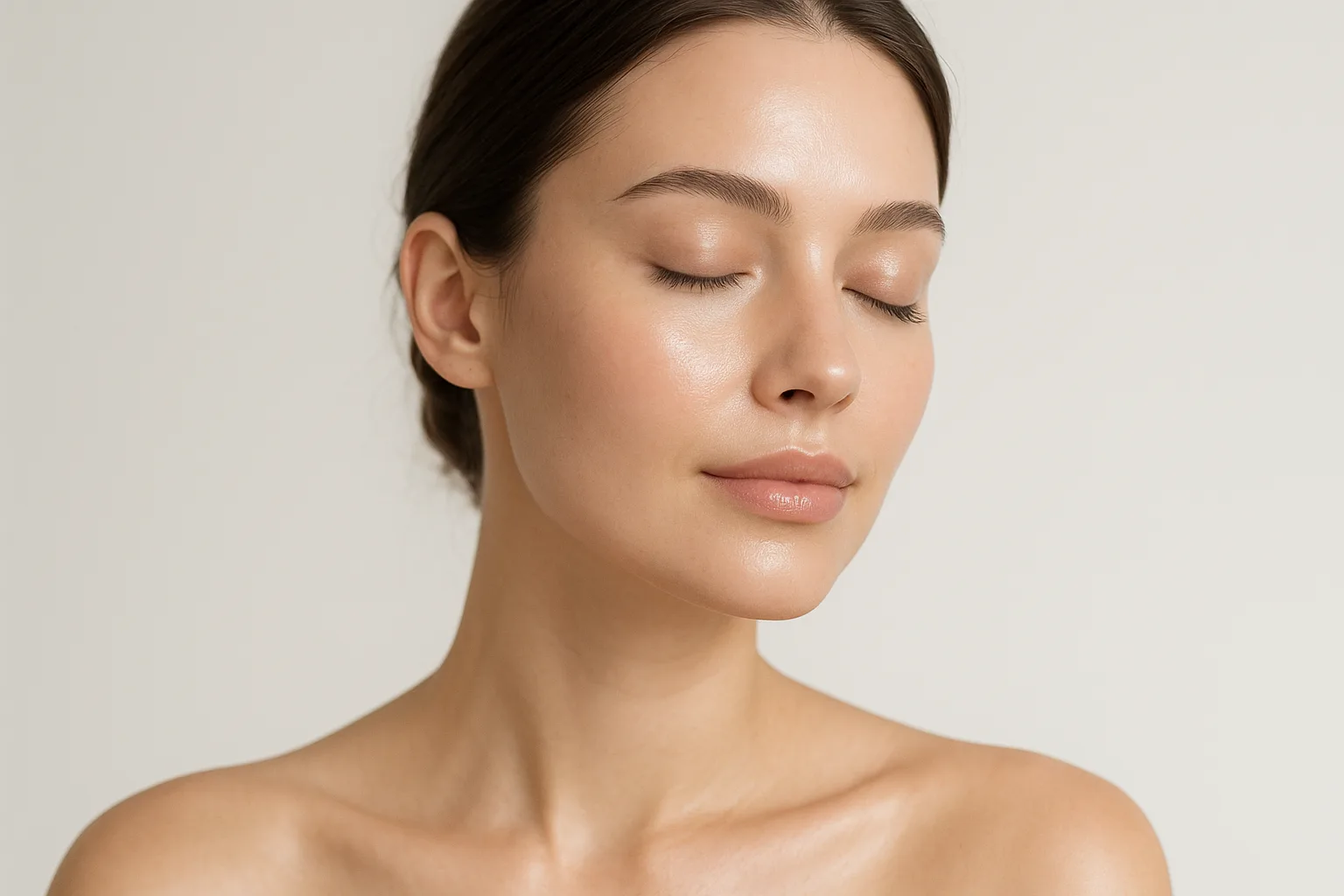
Waking up to a mirror reflecting a natural glow—plump cheeks and radiant skin—is often the result of what happened the night before. Conversely, the appearance of puffy eyes, dull tone, and lines that seem etched deeper overnight usually tells the story of a night spent tossing and turning.
Quality sleep powers more than just morning energy; skin thrives during those quiet hours. Cells regenerate, collagen rebuilds, and deep repair mechanisms kick in when the body is at rest. Dermatologists agree that consistent rest transforms fragile skin into a resilient, youthful complexion.
Recent research highlights how optimizing sleep routines boosts barrier strength and fights inflammation. While busy days, late-night scrolling, and work deadlines often steal precious hours, the skin pays the price through accelerated aging signs and dropped hydration levels. Simple tweaks like consistent bedtimes and cool environments help restore balance and unlock the skin's potential.
During rest, hormones balance, toxins flush out, and blood flow surges to deliver essential nutrients. While skincare routines often focus on serums and masks, rest deserves an equal spotlight. When prioritized, the skin responds dramatically.
What Happens to Skin During Sleep?
When the lights go out, the skin initiates a cascade of repair processes that daytime protection cannot match. Research suggests these changes ramp up in the hours after sunset, turning sleep into the primary window for renewal.
Consider blood flow first. As sleep begins, circulation to the skin increases significantly, delivering a fresh supply of oxygen and nutrients. This enhanced flow helps flush out toxins accumulated from daily exposure to pollutants. Dermatologists note that this process supports overall vitality and sets the stage for deeper cellular repairs.
Growth hormone acts as a vital driver for collagen production. Released in pulses during the first few hours of deep sleep, it stimulates fibroblasts in the dermis to create new collagen, which keeps the skin firm. Studies highlight how these hormone peaks align with the sleep cycle, making quality rest essential for maintaining elasticity.
Cell turnover follows a similar rhythm. The skin's surface renews itself by shedding dead cells to reveal fresher layers, a process that accelerates during deep sleep. This is when new keratinocytes migrate upward to strengthen the epidermis. Disruptions to this cycle often lead to visible dullness and uneven texture.
The circadian rhythm governs these functions, syncing skin activity to a 24-hour cycle. At night, genes responsible for barrier repair activate, fortifying the lipid layer that locks in moisture. Daytime focuses on defense, while nighttime focuses on recovery. When this rhythm holds steady, the skin remains balanced. For a deeper dive into these biological foundations, a guide on understanding skin health explores the layers and cells involved in this nightly magic.
The Visible Effects of Sleep Deprivation
Missing out on restorative rest quickly becomes apparent. Dullness is often the first sign, as a fresh glow fades into a flat, tired matte appearance. Puffiness typically develops around the eyes, and fine lines can appear more pronounced.
This change is largely due to cortisol, a stress hormone that surges when sleep is restricted. Research suggests that poor sleep increases cortisol production, which weakens the skin's natural resilience and triggers lingering inflammation. This hormonal spike disrupts the equilibrium required for a clear complexion.
Collagen also suffers when rest is cut short. Sleep deprivation can accelerate its breakdown, weakening the scaffolding that keeps skin plump. Without adequate recovery time, enzymes may break down collagen faster, leading to deeper wrinkles and loss of firmness. Studies link chronic sleep shortages to skin that appears to age prematurely.
The skin's protective barrier, composed of lipids and ceramides, also falters under fatigue. When this layer is compromised, moisture escapes and irritants can penetrate more easily, leading to dryness and sensitivity. Rebuilding this defense is possible through specific strategies, such as those found in a guide on repairing the skin barrier.
Furthermore, sleep loss can impact oil production and hormone balance, sometimes leading to breakouts. Dead cells may accumulate without the benefit of nighttime turnover, resulting in a lackluster complexion. For targeted solutions, one might explore how to get rid of acne to address these specific flare-ups.
Breakthrough Research on Sleep and Skin Repair
Breakthroughs in 2026 have refined our understanding of sleep's role in dermatology. Studies now show that optimized sleep can improve the rate of skin repair by a significant margin. During deep sleep stages, mitochondria—the powerhouses of the cells—recharge to provide the energy necessary for repair work. This boost sharpens collagen synthesis and helps the body combat oxidative stress.
Autophagy, the natural cellular cleanup process, also intensifies during slumber. This mechanism recycles damaged cell components so that new ones can emerge stronger. The result is often smoother texture and reduced inflammation. These findings link directly to the broader skin longevity trend, suggesting that skin ages more slowly when rest aligns with natural biological rhythms.
Practical applications of this research include dimming lights an hour before bed and avoiding screens to help the circadian clock sync more effectively. Maintaining a room temperature around 65 degrees Fahrenheit also fosters the deeper sleep cycles required for mitochondria to thrive. Even short naps can enhance repair during busy schedules, helping to transform dullness into radiance.
How Much Sleep Does Your Skin Need?
Most adults require seven to nine hours of sleep for optimal health. This duration allows the body to complete multiple 90-minute cycles of repair. Each cycle includes non-REM stages where growth hormone fuels tissue repair, and REM sleep, which helps manage the stress hormones that can trigger skin issues.
Age can influence these requirements. While teenagers may need up to ten hours during periods of rapid growth, older adults often find seven hours sufficient, though the quality of that sleep becomes even more important. Hormonal shifts, such as those occurring during menopause, may also require more consistent rest to combat skin thinning and dryness.
Consistency is often more valuable than total hours on a single night. Aligning the sleep schedule with natural light—waking at sunrise and dimming lights well before bed—helps sync the circadian rhythm. Maintaining the same wake-up time throughout the week prevents the "sallow" look often associated with irregular weekend schedules.
Optimizing Your Sleep Environment
Creating a dedicated environment for rest can amplify skin rewards. A cool, dark, and quiet room serves as a sanctuary for recovery. Blackout curtains or eye masks help signal the body to produce melatonin, which is essential for overnight repair. Without total darkness, cell regeneration may be hindered.
Blue light from electronic devices is particularly disruptive, as it can mimic daytime and suppress melatonin. Replacing screen time with reading under warm lighting helps preserve the skin's natural defenses. Temperature is equally important; a room kept between 60 and 67 degrees Fahrenheit promotes the deep sleep stages where renewal peaks.
Hygiene also plays a role in maintaining a clear complexion. Changing pillowcases regularly reduces the buildup of oils and dead cells that can disrupt the skin's microbiome. A balanced ecosystem is vital for preventing inflammation, as detailed in a skin microbiome guide. Using a HEPA filter can further reduce airborne irritants that might affect the skin during the night.
Circadian Skincare: Timing Your Routine
Skincare is most effective when it leans into the body's natural clock. Daytime routines should focus on defense. A gentle cleanse followed by antioxidants like Vitamin C and a broad-spectrum SPF prepares the skin for environmental stressors.
Evening routines should pivot toward recovery. This is the time for thorough cleansing to remove makeup and pollutants, followed by richer creams containing peptides or ceramides. Ingredients like bakuchiol offer a gentle way to smooth texture and boost collagen without the irritation that might disrupt sleep. Applying these products within an hour of bedtime ensures they are present during the skin's peak renewal window.
For those looking to refine their daily habits, resources on building a skincare routine or adapting to a seasonal skincare routine provide structured approaches to layering products effectively.
Nutrition and Lifestyle for Synergy
What is consumed during the day fuels the repair that happens at night. Magnesium, found in leafy greens and almonds, calms the nervous system and helps regulate inflammation. Tryptophan-rich foods like bananas or oats support melatonin production. These nutritional choices promote steady sleep cycles and contribute to a brighter glow.
It is also helpful to avoid sleep saboteurs. Caffeine can linger in the system for hours, while alcohol often disrupts REM sleep, leading to morning puffiness. Large, spicy meals late at night can interfere with the body's ability to rest deeply. Conversely, staying hydrated throughout the day helps the body flush toxins and keeps pores clear.
Physical activity also supports this synergy by boosting circulation. Timing is key; morning or afternoon exercise typically improves sleep quality, while intense evening workouts might delay it. A consistent rhythm of movement enhances collagen production and overall skin health.
Tracking Progress with Technology
Modern tools allow for a more precise understanding of how lifestyle choices affect the face. AI skin analysis can now detect subtle markers like hydration levels and texture changes that might be missed by the naked eye. By analyzing regular photos, these tools can identify how a week of improved sleep directly impacts skin moisture and firmness.
Lumino Skin provides a way to monitor these trends over time. By uploading photos in consistent lighting, users can see the data behind their "sleep glow." This objective feedback can be a powerful motivator to maintain healthy habits. For those interested in the science behind the scans, AI Skincare 101 explains how technology measures these biological shifts.
The Bottom Line
Sleep is a foundational element of any effective skincare strategy. It facilitates the essential repair work that topical products are designed to support. When the body receives seven to nine hours of quality rest, growth hormones surge, inflammation subsides, and the skin barrier is fortified.
By combining a consistent sleep schedule with a targeted nighttime routine, it is possible to achieve a level of radiance that products alone cannot provide. Simple steps—such as maintaining a cool room, choosing nutrient-dense foods, and timing skincare applications—create a holistic environment for the skin to thrive. Prioritizing rest today ensures a resilient and glowing complexion for years to come.
Drafted using Lumino AI.
This content is for informational purposes only and is not medical advice.
Learn how we review skincare guidance in our methodology.
Last updated: March 4, 2026
Written by
Lumino AI