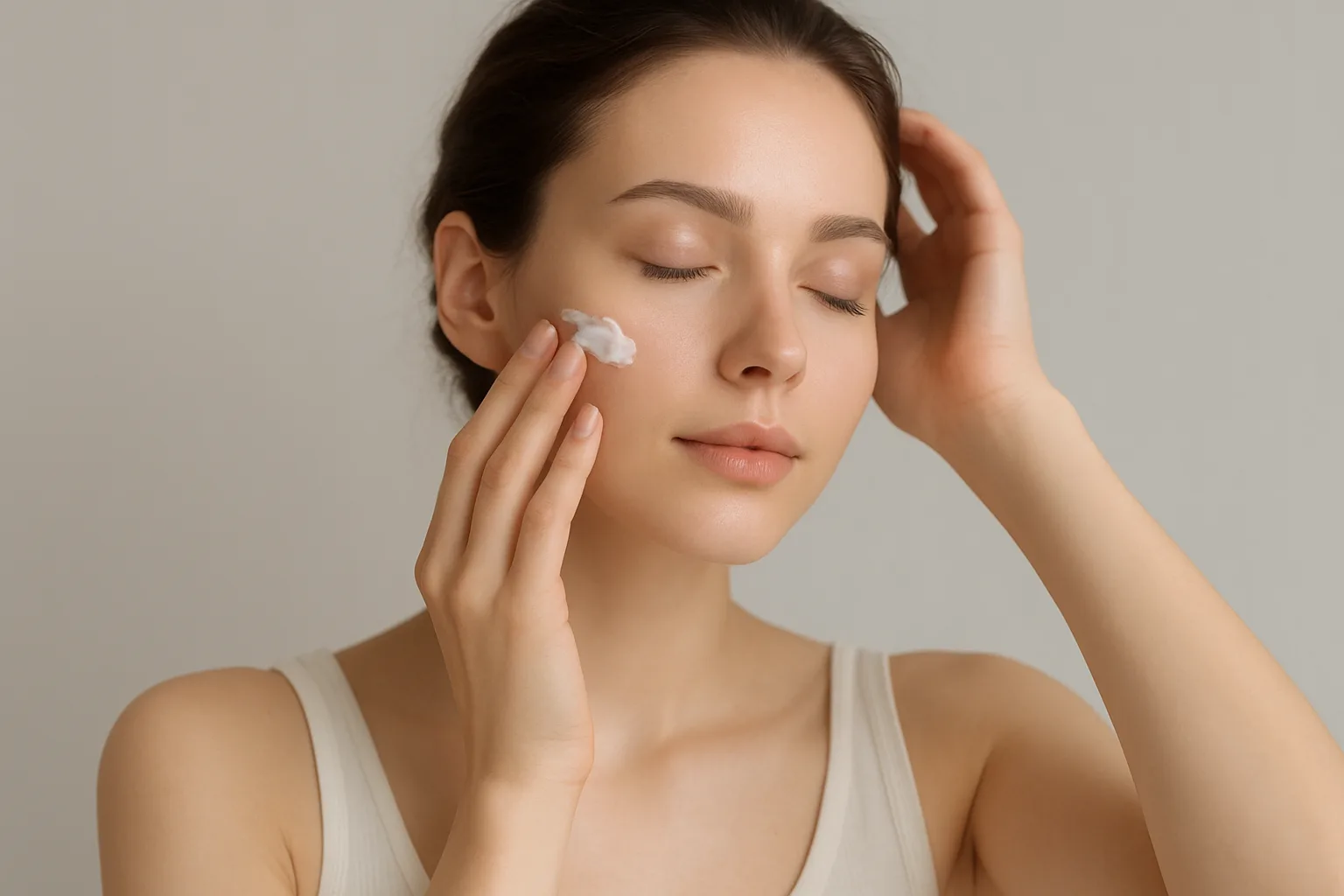
Seasonal Skincare Routine Guide: How to Adapt for Winter, Summer, and Humidity
Your skin is not inconsistent. Your environment is. Temperature shifts, humidity swings, indoor heating, UV intensity, wind, and pollution all change barrier behavior, oil balance, and tolerability.
That is why a routine that is perfect in July can feel irritating or ineffective in January.
Answer first: what should change by season?
Keep your skincare foundation stable, then adapt three levers:
- Cleanser strength
- Moisturizer weight and occlusivity
- Active frequency
Avoid complete seasonal routine overhauls unless your skin is clearly reacting poorly.
The "core + adjustment" model
A reliable routine usually has:
- Core steps that stay year-round
- Seasonal settings that change in small increments
Core steps (year-round)
- Gentle cleanse
- Moisturizer appropriate for your baseline skin type
- Daily sunscreen
- One or two targeted actives at tolerable frequency
If you need a full baseline routine before seasonal tuning, use Skincare Routine for Beginners and Building Your Perfect Skincare Routine.
Why weather changes your skin behavior
Winter
- Low humidity increases transepidermal water loss
- Indoor heating dries ambient air further
- Barrier irritation rises, especially with over-cleansing
Summer
- Heat and sweat raise sebum activity in many people
- UV load increases pigment and inflammation risk
- Occlusive layering can feel heavy and congestion-prone
Humid climates
- Skin may feel greasy but still dehydrated underneath
- Breakout tendency can rise with sweat and friction
- Thick routines may pill or feel uncomfortable, reducing adherence
Winter routine strategy
Main goals
- Reduce water loss
- Protect barrier integrity
- Maintain treatment without over-irritation
Practical winter changes
- Shift to lower-foam cleanser
- Use richer moisturizer at night
- Add humectant + emollient layering
- Reduce exfoliation frequency
- Buffer retinoids if irritation appears
Winter example routine
AM
- Gentle cream cleanser or rinse only
- Hydrating serum (optional)
- Moisturizer with ceramides
- Broad-spectrum sunscreen
PM
- Gentle cleanser
- Active (fewer nights per week if needed)
- Rich moisturizer or balm in dry zones
If your skin starts stinging with products that were previously fine, pause intensives and run a barrier repair reset.
Summer routine strategy
Main goals
- Control shine and congestion
- Keep UV protection strong
- Maintain comfort to support consistency
Practical summer changes
- Use lighter, non-comedogenic moisturizer textures
- Choose sweat-friendly sunscreen you can reapply
- Keep cleanser effective but not stripping
- Maintain acne prevention if you are breakout-prone
Summer example routine
AM
- Gel or gentle foaming cleanser
- Lightweight serum if needed
- Lightweight moisturizer
- Broad-spectrum sunscreen (reapplication plan included)
PM
- Cleanse sweat/sunscreen thoroughly
- Targeted active
- Light moisturizer
If summer triggers more acne, combine this guide with How to Get Rid of Acne and Sunscreen SPF Guide.
High-humidity strategy
Humidity is often misunderstood. Oily feel does not always mean "skip hydration."
Main goals
- Keep layers breathable
- Prevent pore congestion
- Maintain barrier comfort
Practical humidity changes
- Reduce routine layers to essentials
- Prefer fast-absorbing formulas
- Avoid heavy occlusives on breakout-prone zones
- Use targeted treatment only where needed
Sweat and friction management
- Cleanse after intense sweating
- Minimize occlusive makeup in high heat
- Reduce friction from hats, straps, or masks when possible
Transitional seasons (spring/fall)
Most routine failures happen during transition months, not peak winter/summer.
Use a stepwise rule:
- Change one variable every 1 to 2 weeks
- Hold other steps constant
- Track tolerance before making the next change
This prevents confusion and helps identify what caused improvement or irritation.
Seasonal active management
Retinoids
- Often easier to tolerate in moderate weather
- In dry winter, reduce frequency or increase buffering
- In hot months, ensure strict photoprotection
Exfoliating acids
- Usually need lower frequency in cold/dry periods
- Can be better tolerated in humid conditions, but do not overuse
Pigment-focused actives
- Keep consistent year-round
- Progress depends heavily on sunscreen adherence
If dark spots are a top concern, read Fade Dark Spots and Hyperpigmentation.
Sunscreen strategy by season
Sunscreen is never optional, but formulation can change:
- Winter: moisturizing textures may improve adherence
- Summer: lightweight, sweat-tolerant options often work better
- Humid climate: choose breathable formulas you can reapply
The best sunscreen is the one you apply correctly and repeatedly.
Common seasonal mistakes
1) Replacing everything at once
Large resets make it impossible to know what is helping.
2) Using harsh cleansers in winter "for clean skin"
This often increases tightness, sensitivity, and rebound oil.
3) Skipping moisturizer in humid weather
Many people still need light hydration for barrier comfort.
4) Assuming winter sun risk is low
UV exposure still contributes to aging and pigment changes year-round.
5) Treating temporary weather flares as permanent skin type change
Wait for trend data over several weeks before major routine redesign.
A 90-day seasonal optimization method
Step 1: baseline capture (Week 0)
- Take photos in consistent lighting
- Record routine and frequencies
- Note current environment (temperature/humidity)
Step 2: adjust one lever (Weeks 1 to 3)
- Cleanser, moisturizer, or active frequency (one only)
Step 3: assess and tune (Weeks 4 to 8)
- Add second adjustment only if needed
- Keep documenting tolerance and outcomes
Step 4: lock your seasonal template (Weeks 9 to 12)
- Save your "winter mode" and "summer mode"
- Reuse next season instead of restarting from scratch
When to seek professional help
Escalate care if:
- Persistent eczema-like irritation appears
- Acne worsens despite seasonal adaptation
- Pigment changes deepen or spread
- Rosacea-like flushing is frequent and severe
- You cannot maintain tolerability with simple routines
FAQ
Should I change products every season?
Usually no. Adjust texture and frequency first, then swap products only if needed.
Is heavier moisturizer always better in winter?
Not always. Match richness to your tolerance and breakout tendency.
Do oily skin types need fewer changes?
They still need seasonal adaptation, especially cleanser intensity and sunscreen format.
How quickly should I expect results after seasonal adjustments?
Meaningful trends are often visible in 2 to 6 weeks if changes are consistent.
Bottom line
Seasonal skincare works best when the routine is stable at its core and flexible at the edges.
Use small, trackable adjustments instead of total resets.
Consistency plus climate awareness usually outperforms frequent product switching.
Get Your Free AI Skin Analysis - Upload a selfie to map your skin type, oil patterns, and barrier status, then build a climate-adaptive routine for your current season.
Reviewed by Lumino Editorial Team on February 15, 2026.
This educational guide is not medical advice.
Learn how we review skincare guidance in our methodology.
Last updated: February 15, 2026
References
- How To Deal With Dry Skin in Winter — Cleveland Clinic. Source
Safety Notes
- Adjust one variable at a time to understand your skin response.
- Use sunscreen year-round, including in winter.
If you have persistent symptoms, severe irritation, or sudden skin changes, consult a licensed dermatologist.