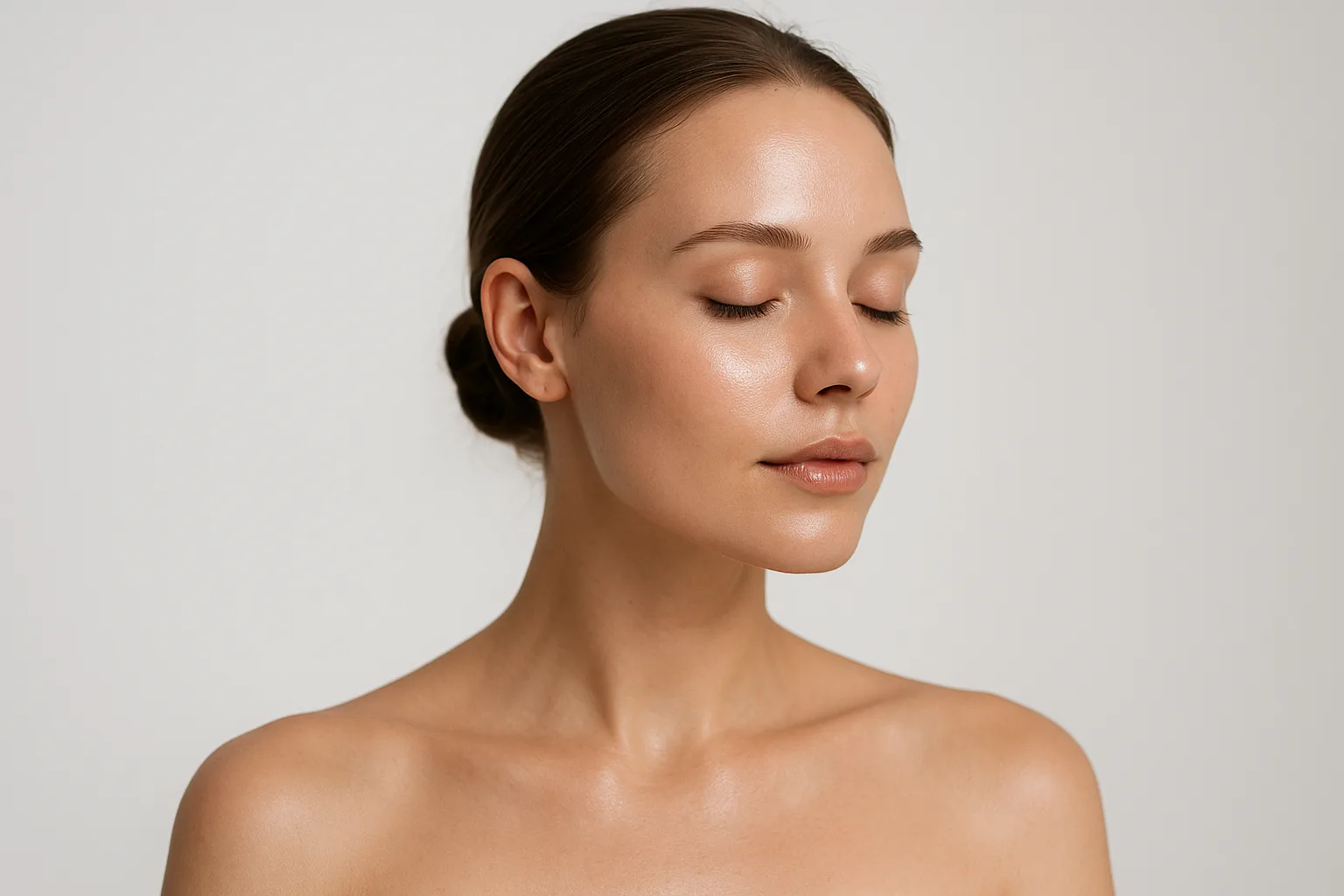
Ozempic Face: GLP-1 Skincare Solutions
GLP-1 drugs like Ozempic promise life-changing results. Patients shed pounds quickly, energy surges, and health markers improve dramatically. Yet a subtle shift often sneaks up on the face. Skin starts to sag, cheeks hollow out, and lines etch deeper. This phenomenon, often called "Ozempic face," is the unintended consequence of rapid facial volume loss.
These medications work by curbing appetite and stabilizing blood sugar. As bodies drop fat fast—sometimes 10 to 20 pounds in weeks—facial fat pads vanish. Collagen struggles to keep pace with this rate of change, and elasticity fades. Dermatologists frequently see patients who are thrilled with their slimmer bodies but concerned about a gaunt reflection staring back.
Research suggests this accelerated aging stems from the speed of transformation. Skin adapts slowly to shifts in underlying support. Hollow temples appear, jowls soften, and under-eye bags deepen despite better sleep. Standard moisturizers often fall short because they only hydrate the surface. True restoration demands strategies that rebuild the skin's architecture from within.
Targeted interventions make a significant difference. While fillers can restore lost volume precisely and lasers stimulate collagen production, topical solutions like peptides signal the skin to firm up. Habits must shift alongside these treatments; increasing hydration and protein intake supports the body’s repair mechanisms. The goal is to preserve a healthy glow while celebrating weight loss victories.
What Is Ozempic Face?
The term describes the gaunt, sagging look that emerges when people take GLP-1 agonists such as semaglutide or tirzepatide. These medications trigger rapid fat reduction across the body, but the skin often struggles to retract at the same speed. Fat provides the underlying support for facial contours; when it disappears quickly, the skin loses its plump foundation, resulting in a loose, crepey texture.
When fuller cheeks deflate, the midface flattens and jowls may appear along the jawline. Under the eyes, dark hollows can deepen, creating a tired expression. The speed of weight loss is the primary factor here. Skin needs time to produce the collagen and elastin necessary for retraction, and rapid changes overwhelm that biological process.
Natural aging unfolds differently. Over decades, fat pads shrink gradually alongside a slow collagen decline, allowing the skin to adjust in small steps. With GLP-1 drugs, the drop hits hard and fast. This sudden sagging extends beyond aesthetics; it often affects confidence. People celebrate smaller waists only to find that their facial features look prematurely aged.
Key signs include:
- Hollow cheeks with shadowed contours.
- A sagging jawline and subtle jowls.
- Puffy or crepey under-eye skin.
- Overall facial flattening.
Prevention starts with early intervention. While proteins support collagen, the core issue is biological: fat loss accelerates while skin response lags. Understanding this gap is the first step toward effective countermeasures.
The Science of GLP-1 Induced Skin Changes
Facial fat pads sit just under the skin in the cheeks, temples, and jawline, providing structure. When GLP-1 accelerates fat metabolism, those pads shrink. Without that cushioned support, fine lines deepen into creases.
Caloric restriction adds to the challenge. Because GLP-1 curbs hunger, the resulting lower nutrient intake can slow down collagen production. Collagen forms the skin's scaffold; fewer building blocks mean less repair. Research suggests this restriction may speed up collagen breakdown, causing the skin to thin and lose its bounce over several months.
Inflammation can also play a role. Rapid weight loss sometimes triggers immune responses as fat cells release stored compounds, which can spark low-grade inflammation. This may manifest as redness, sensitivity, or uneven tone. Furthermore, hyaluronic acid levels—the body's natural internal moisturizer—can plummet due to dehydration often associated with these medications, leaving the skin looking dull.
These shifts connect to the broader concept of skin longevity, which focuses on preserving youthful skin function for decades. Rapid changes from GLP-1 disrupt this balance, making it essential to counter aging at its roots.
How AI Spots Early GLP-1 Skin Risks
Catching the first whispers of skin changes before they become permanent concerns is now possible through technology. GLP-1 medications accelerate fat loss everywhere, leading to subtle shifts in volume and the skin's protective barrier. These early signs often appear months before sagging is visible to the naked eye. AI steps in with a level of precision that human observation might miss.
AI analysis scans high-resolution images for micro-changes, measuring facial volume by mapping fat pads. A slight dip in cheek fullness or a change in wrinkle depth can be detected instantly. Even barrier weakening, which shows as increased redness or texture roughness, can be flagged early. Research suggests these tools spot issues significantly sooner than traditional checkups, allowing for proactive rather than reactive care.
Tracking typically happens through serial photos. By taking consistent images and using an analysis tool like Lumino Skin, users can compare baseline images against new data to generate trend reports. One month, volume might hold steady; the next, a slight elasticity drop might appear, triggering specific recommendations. This personalized monitoring turns vague worries into clear, actionable data.
This early detection empowers better decisions. If volume loss is detected early, you can adjust your topical routine or nutritional intake immediately rather than waiting for "Ozempic face" to define your appearance.
Top Ingredients to Combat Volume Loss
Collagen-boosting peptides are essential for fighting the gauntness associated with rapid weight loss. These amino acid chains signal cells to ramp up natural protein production. Daily application can yield visible firmness within weeks, especially when paired with gentle exfoliants that allow for deeper penetration.
Hyaluronic acid serves as a non-invasive way to maintain a plump appearance. Opt for topical versions with multiple molecular weights: low for deep hydration and high for surface smoothing. Formulas at 1 to 2 percent draw moisture into the skin, countering the sagging effect. Consistent use hydrates dehydrated layers, mimicking a fuller look without the need for clinical procedures.
Exosomes represent the cutting edge of skin regeneration. Derived from stem cells, these tiny vesicles deliver growth factors directly to the skin's fibroblasts. They kickstart repair, boosting both collagen and elastin synthesis. Emerging trials highlight their role in reversing thinning, with users noting smoother texture after a month of consistent use.
Barrier lipids like ceramides are equally vital. Rapid weight loss can compromise the skin's protective layer, letting moisture escape. Ceramides rebuild this shield, locking in hydration and calming inflammation. Strengthening the barrier ensures that other active ingredients can work more effectively.
Building a GLP-1 Protective Routine
A protective routine focuses on hydration to plump the skin and peptides to maintain firmness. Start the morning with a gentle, hydrating cleanser, followed by a hyaluronic acid serum to draw moisture deep into the tissue. Next, apply a peptide serum to support the skin's structure. Finish with broad-spectrum SPF 30 or higher, as UV rays further degrade the collagen that is already under stress.
Evening routines should shift toward repair. After cleansing, layer your hyaluronic acid and a peptide-rich cream. Twice a week, consider a gentle exfoliant with lactic acid to encourage cell turnover, though you should skip this if the skin feels particularly sensitive.
Introduce new products gradually. Weight loss stresses the skin barrier, so it is best to start with the basics—cleanser, serum, and SPF—before adding more intensive treatments. Watch for redness or tightness and dial back if necessary.
Steer clear of harsh irritants during the most rapid phases of weight loss. Strong acids or high-percentage retinols can inflame a vulnerable barrier. Stick to fragrance-free, non-comedogenic formulas to keep the skin calm while it adapts to your new facial contours.
Lifestyle Supports for Skin Resilience
Habits that preserve muscle mass and boost collagen production work in tandem with your skincare. Nutrition is the foundation; a protein-rich diet supplies the amino acids necessary for skin structure. Lean meats, fish, eggs, and legumes are excellent choices. Pairing these with Vitamin C—found in citrus and berries—helps activate collagen formation.
Strength training is a vital component of preserving a youthful look. GLP-1 drugs accelerate fat loss, but muscle can be lost as well if resistance work is ignored. Targeted exercises keep the underlying structure of the body firm, which indirectly supports the appearance of the skin. Aim for two to three sessions weekly to maintain a toned foundation.
Hydration must be constant. Skin loses moisture faster during periods of metabolic change. Drinking water steadily throughout the day and incorporating electrolytes from coconut water or broths can prevent a drawn, dehydrated appearance.
Finally, prioritize sleep and stress management. Poor rest increases cortisol, a hormone known to break down collagen. Aiming for seven to nine hours of sleep and practicing mindfulness can lower low-grade inflammation that ages the skin prematurely. A balanced microbiome also plays a role; fermented foods like yogurt or kimchi support gut health, which is closely linked to skin clarity and resilience.
Myths and Realities of Weight Loss Skincare
The market is full of promises for "overnight" fixes for sagging skin. While fillers can provide immediate volume, they often mask symptoms rather than fixing the root cause. If the skin has lost significant elasticity, fillers may shift or look unnatural. It is often more effective to focus on building the skin's natural collagen through consistent care and nutrition from the start of your medication journey.
Another common misconception is that the skin will "bounce back" instantly once weight loss stabilizes. In reality, the timeline for skin retraction is much longer than the timeline for weight loss. Younger skin may firm up within six months, but older skin or cases of extreme loss can take a year or more. Patience and consistency with topical treatments are required.
It is also important to distinguish GLP-1 sagging from natural aging. Because the fat pads vanish so quickly with medication, the "deflation" effect is more pronounced. This requires a more aggressive approach to hydration and barrier repair than standard anti-aging routines.
Future Treatments for GLP-1 Skin Effects
The future of skincare for weight loss patients is promising. Scaffold peptides are currently in development; these structures mimic the skin's natural matrix to rebuild collagen where it has been stripped away. Early trials show firmer contours without the need for invasive procedures.
Customized topicals are also becoming more accessible. By using AI to analyze specific density loss and hydration gaps, companies can now craft formulas tailored to an individual's unique biological response to GLP-1 drugs. This precision eliminates the guesswork of over-the-counter shopping.
Personalized genomics may soon allow doctors to identify which patients are most at risk for severe skin sagging before they even begin medication. This would allow for "proactive prescribing," where skin-supportive treatments are started on day one of a weight loss program.
The Bottom Line
GLP-1 medications offer a path to improved health, but the resulting "Ozempic face" requires a specialized strategy. Resilience comes from using regenerative ingredients like peptides and growth factors while maintaining a strict focus on hydration.
Monitoring your progress is key. Using tools like Lumino Skin to track texture and volume changes allows you to adjust your routine before sagging becomes severe. When you combine high-tech analysis with consistent lifestyle habits—like high protein intake and strength training—you can ensure your skin looks as healthy as your body feels.
Embrace the transformation with an informed approach. By stocking your cabinet with regenerative heroes and staying patient with the results, you can navigate the changes of rapid weight loss while maintaining a radiant, resilient complexion.
- Core Routine: Gentle cleanser, peptide serum, rich moisturizer, and daily SPF.
- Monitoring: Take monthly photos in consistent lighting to track volume.
- Key Ingredients: Ceramides for the barrier, hyaluronic acid for volume, and Vitamin C for brightness.
Drafted using Lumino AI.
This content is for informational purposes only and is not medical advice.
Learn how we review skincare guidance in our methodology.
Last updated: March 3, 2026
Written by
Lumino AI