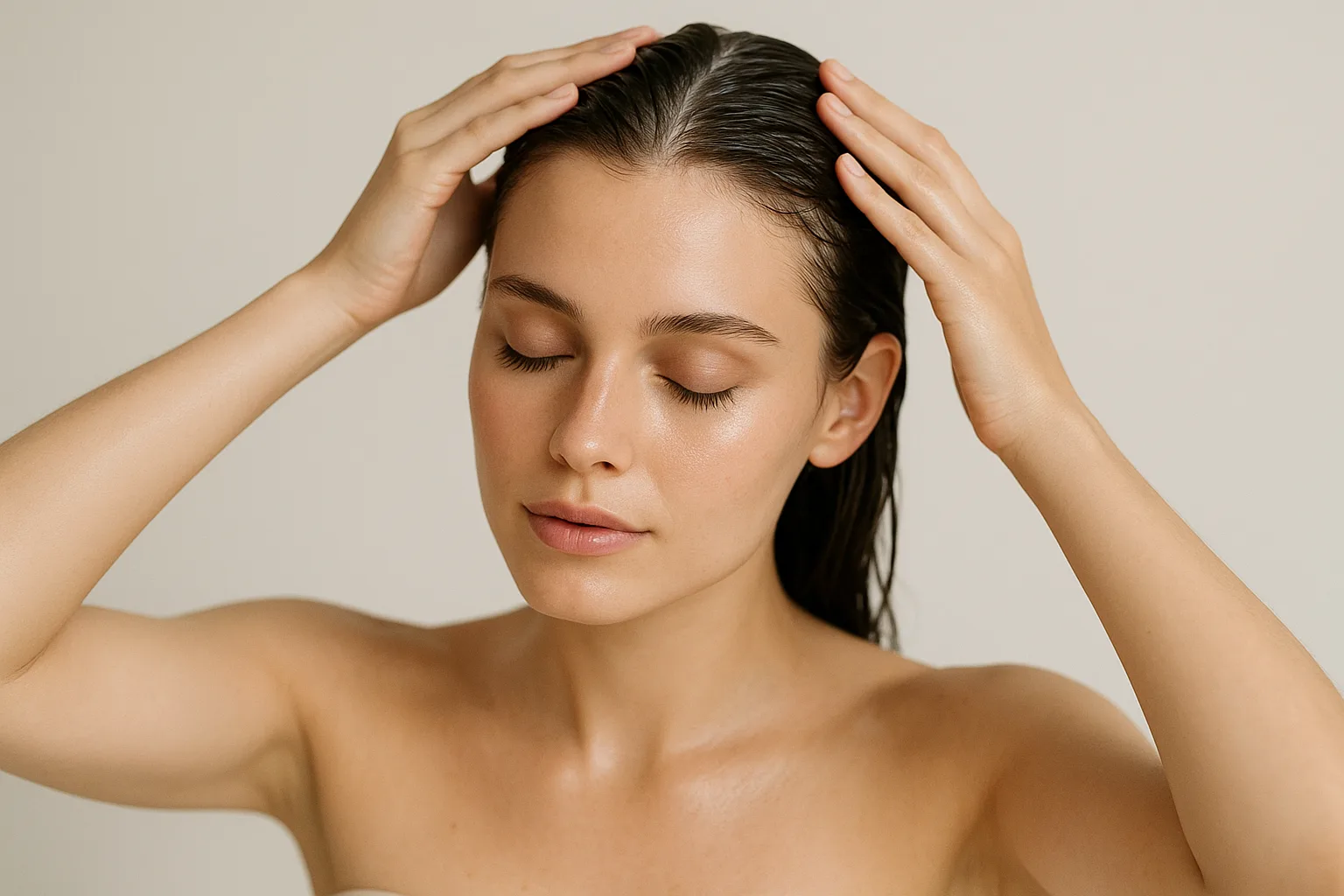
Scalp Skincare: The Skinification Trend
Hair care has traditionally existed in its own silo. Shampoos, conditioners, and the occasional mask formed the standard repertoire. Skincare, meanwhile, was reserved for the face—the delicate T-zone and the areas where fine lines first appear.
This boundary is dissolving. Skincare routines are stretching upward to the hairline in a movement known as "skinification." This shift applies the same rigorous principles used for facial skin to the scalp. Dermatologists increasingly emphasize that the scalp is simply an extension of the face, covered in follicles and prone to identical environmental stressors.
Daily life impacts this area significantly. Pollution clings to both strands and pores, while product buildup accumulates over time. Stress can trigger lingering inflammation, and heat styling often leaves the tissue dehydrated. These factors weaken the scalp's barrier, leading to clogged follicles and diminished hair resilience.
Research indicates that a healthy scalp environment supports stronger hair from the root. Clearer follicles often correlate with reduced breakage and improved overall vitality. Conversely, neglecting this area can lead to a cascade of issues: dandruff flares, persistent itchiness, and increased shedding. While the face often receives meticulous care, the scalp frequently suffers from oversight.
Scalp skincare aims to rectify this imbalance. Gentle cleansers remove impurities without stripping essential oils, while exfoliants work to unclog pores. Serums soothe irritation and hydrators restore equilibrium. The result is often hair that appears fuller and shinier, supported by a scalp that feels calm and energized. This approach moves beyond basic hair aesthetics toward total head health.
The scalp serves as the foundation for hair growth. Just as solid ground yields healthy plants, a balanced scalp environment is necessary for hair to thrive. Modern brands are now blending traditional hair care with potent skincare actives like niacinamide for calming, peptides for structural strength, and salicylic acid for clarity.
The results of this shift are becoming visible. Hair professionals report improved hair density in clients who maintain consistent scalp care, and many individuals note a reduction in shedding and a revival of natural bounce. As scalp massages and specialized tools gain popularity, the distinction between face care and hair care continues to blur.
What Is Scalp Skinification?
Scalp skinification involves taking the most effective elements of facial skincare—cleansers, serums, exfoliants, and moisturizers—and formulating them specifically for the head. This trend encourages routines that mirror facial regimens. Actives like niacinamide are utilized to target inflammation, while peptides work to strengthen the skin barrier. Exfoliating acids are employed to slough off buildup without compromising natural moisture levels.
This evolution stems from the recognition that the scalp faces the same adversaries as the face: pollution, UV rays, and physiological stress. Buildup from sweat and styling products can clog follicles, and a compromised barrier allows irritants to penetrate the skin. This often manifests as itchiness, flakiness, or premature aging of the scalp tissue.
Biotech innovations are driving this movement forward. Scientists are engineering ingredients designed to penetrate the scalp's unique environment to tackle root causes rather than just masking symptoms. Hydrators lock in moisture, while antioxidants defend against free radicals resulting from sun exposure.
Microbiome science provides an additional layer of depth. Research suggests that a balanced scalp microbiome is essential for regulating oil production and controlling inflammation. Harsh shampoos can disrupt this delicate ecosystem, whereas prebiotics and probiotics tailored for the scalp help nurture it.
Scalp skinification also aligns with the broader skin longevity movement, where the focus shifts toward long-term health rather than temporary fixes. This transition sees routines evolving from basic washing to multi-step protocols: gentle cleansing, treatment serums, and lightweight conditioning. Twice-weekly exfoliation and daily protection complete the cycle.
Why Prioritize Scalp Skincare Now
Neglect in this area can lead to rapid consequences. Flakes, persistent itching, and thinning hair are often the first signs that the scalp environment is out of balance. Modern trends suggest a massive shift toward treating the scalp with the same level of sophistication as the face.
The connection between scalp health and hair retention is well-documented. Inflammation can weaken follicles, and research suggests that chronic irritation may trigger shedding cycles. What begins as simple dryness can escalate into more severe conditions if left unaddressed. Urban environments accelerate these issues; pollution clogs pores, stress spikes sebum production, and hard water can strip away protective oils. For those living in cities, the scalp barrier faces constant pressure, allowing tiny cracks to let in irritants and stall hair growth.
Product overload further compounds the damage. Heavy shampoos and styling gels can suffocate the skin, sometimes leading to fungal overgrowth that mimics facial acne. Residue often blocks moisture, causing inflammation to flare. Repairing the scalp barrier is the primary solution to this cycle. Gentle cleansers and targeted hydrators restore balance, while regular exfoliation clears the path for healthy growth.
Common Scalp Conditions to Watch
Because the scalp is hidden beneath hair, issues often develop quietly. Identifying these conditions early is key to maintaining control. Common concerns such as dandruff, seborrheic dermatitis, dryness, and folliculitis affect millions, and most respond well to targeted interventions.
Dandruff is perhaps the most frequent concern, characterized by white or yellow flakes and mild to persistent itching. This is often linked to Malassezia yeast, which feeds on scalp oils. Stress and cold weather can amplify the rate of skin cell turnover, resulting in visible shedding.
Seborrheic dermatitis is a more severe iteration, involving greasy scales and red patches that may extend to the hairline or ears. This chronic inflammatory condition is linked to immune responses and genetics, often flaring up due to hormonal shifts or harsh topical products.
Dryness presents differently, usually appearing as fine, powdery flakes without excess oil. The scalp may feel tight or painful. This is typically a result of low humidity, overwashing, or the use of hot styling tools that sap natural oils, rather than a microbial issue.
Folliculitis involves the inflammation of hair follicles, resulting in red bumps or pimples that may sting. These can be caused by bacteria, fungi, or physical friction from hats and helmets. While they resemble facial acne, these clusters form specifically at the hair roots.
Essential Ingredients for Scalp Care
Niacinamide is a premier ingredient for scalp health. This multitasker helps regulate oil production, ensuring that excess sebum does not fuel flakes or irritation. Research suggests it effectively manages sebum levels on the scalp while simultaneously calming inflammation and reinforcing the skin barrier.
Ceramides are equally vital. The scalp's barrier is frequently compromised by styling products and environmental pollutants. Ceramides help rebuild this protective shield, restoring hydration and reducing sensitivity. Studies indicate that ceramides significantly improve barrier function, which can alleviate sensations of tightness.
Peptides provide essential support for hair follicles. These amino acid chains signal cells to fortify the roots and improve resilience. Since weak follicles contribute to thinning, peptides are often used to support the hair growth cycle without the need for harsh stimulants.
Gentle antifungals, such as piroctone olamine or climbazole, round out a robust scalp routine. These ingredients target the yeast responsible for dandruff without stripping the microbiome. Unlike older, harsher formulas, these modern alternatives provide balanced control over redness and flaking.
When building a regimen, consider these tips:
- Patch test first: Scalp sensitivity varies significantly between individuals.
- Layer strategically: Apply treatment serums directly to the skin for maximum penetration.
- Prioritize consistency: Improvements in scalp health typically build over several weeks of regular care.
Building Your Scalp Skincare Routine
Establishing a routine is straightforward once the steps are defined. Consistency is the most important factor, as the scalp requires time to respond to new treatments.
Mornings: Keep the routine light. Start with a gentle, water-based scalp cleanser to remove overnight buildup. Follow with a targeted serum—focused on either hydration or oil balance—and pat it into the skin section by section. Finish with a lightweight moisturizer or scalp-specific cream to seal in the actives without weighing down the hair.
Evenings: This is the time for deeper repair. A second gentle cleanse clears the day's debris, such as pollution and sweat. Applying a serum at night allows the active ingredients to work uninterrupted during the body's natural repair cycle.
Weekly: Integrate exfoliation once or twice a week. Opt for chemical exfoliants containing salicylic or lactic acid rather than physical scrubs, which can tug at hair follicles. This helps slough off dead skin cells and ensures that pores remain clear.
When washing your hair, try to address the scalp first. Applying treatments before shampooing ensures they reach the skin. On days when you don't wash your hair, scalp care can stand alone as a quick, targeted application of serum or mist.
How AI Analyzes Scalp Health
Technology now allows for a closer look at scalp health through smartphone analysis. By using apps like Lumino Skin, individuals can receive a detailed assessment of their scalp condition using high-resolution photos.
The AI evaluates several key metrics:
- Texture: It identifies whether the surface is smooth or rough, which can indicate buildup or dehydration.
- Hydration: By measuring skin reflectance, the tool can determine if the scalp is excessively dry or properly balanced.
- Inflammation: The AI detects redness and swelling patterns that might suggest irritation or the early stages of dermatitis.
This data-driven approach allows for highly personalized recommendations. If the analysis detects low hydration and high inflammation, the app might suggest a routine involving soothing botanical extracts and a reduction in water temperature during washing. This level of insight, powered by machine learning trained on thousands of dermatological images, brings professional-grade analysis into the home.
Lifestyle Factors for Scalp Vitality
External habits play a significant role in maintaining a balanced scalp microbiome. A disrupted microbiome often leads to a weakened barrier and increased sensitivity.
Dietary choices are foundational. Omega-3 fatty acids found in fish and walnuts help calm systemic inflammation, while antioxidants from berries protect the scalp's microbial community from oxidative stress. Conversely, high-sugar diets can trigger inflammation that disrupts this balance.
Stress management is also crucial. Elevated cortisol levels can impair the scalp barrier and negatively affect beneficial bacteria. Incorporating simple relaxation techniques can lead to a calmer, clearer scalp. Furthermore, sleep quality impacts the body's ability to repair skin tissue. Swapping cotton pillowcases for silk or satin can also reduce friction and help maintain the scalp's natural moisture levels overnight.
Finally, environmental protection is necessary year-round. UV rays can damage the scalp through hair partings, so wearing hats or using UV-protective mists is recommended. Adjusting your routine to account for seasonal changes—adding moisture in dry winters and focusing on oil control during humid summers—will help maintain stability.
Future Trends in Scalp Skincare
The field of scalp care is moving toward regenerative science. Future treatments will likely focus on repairing damage at a cellular level to address thinning and chronic irritation.
PDRN (Polydeoxyribonucleotide) is emerging as a significant active ingredient. Derived from salmon DNA, it is known for its wound-healing and collagen-boosting properties. Research suggests it may stimulate follicle regeneration and significantly reduce scalp inflammation. Similarly, exosomes—tiny vesicles that carry growth factors—are being studied for their ability to strengthen the hair follicle's core.
We are also seeing an increase in specialized devices. LED helmets that use red light to boost circulation and ATP production are becoming more common for home use. These are often paired with microneedling tools that create micro-channels in the skin, allowing serums to penetrate more deeply.
The Bottom Line
A healthy scalp is the prerequisite for healthy hair. By embracing the skinification trend, you can unlock a higher level of resilience and vitality. Science-backed routines—incorporating exfoliation, targeted actives, and proper hydration—can transform the health of your hair from the roots up.
Start by introducing one science-driven essential into your current routine, such as a clarifying treatment or a barrier-supporting serum. As you track your progress and observe the improvements in clarity and shine, these habits will become a seamless part of your overall wellness journey. Using tools like Lumino Skin to monitor these changes ensures that your routine remains perfectly tailored to your evolving needs.
Drafted using Lumino AI.
This content is for informational purposes only and is not medical advice.
Learn how we review skincare guidance in our methodology.
Last updated: April 10, 2026
Written by
Lumino AI