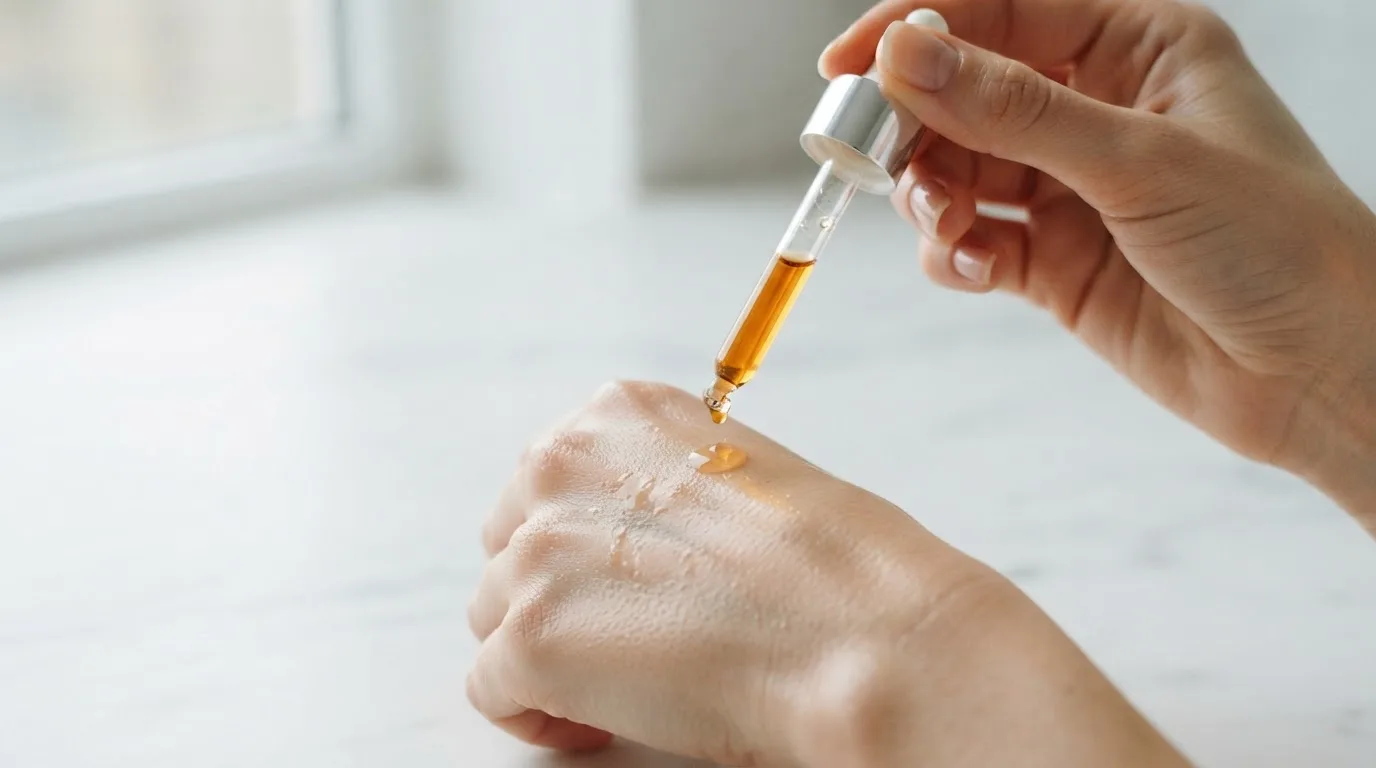
Antioxidant Skincare: Complete Guide to Protective Ingredients
Your skin faces a constant, invisible assault. UV rays drift through clouds and windows. Pollution particles settle onto your face. Blue light streams from screens. And oxygen itself can become a source of stress. Together, these triggers generate free radicals: unstable molecules that bump into healthy skin cells and steal electrons. Once that theft begins, it sets off a chain reaction. Collagen breaks down, the skin barrier weakens, dark spots form, and fine lines deepen. Oxidative stress, the cumulative result, is one of the primary drivers of premature aging.
You cannot avoid every trigger. But you can reinforce your skin’s defenses, and that is where antioxidants enter the picture.
Antioxidants act as peacekeepers. By donating an electron to a free radical, they stop the chain reaction before it causes damage. Applied topically, they form a shield that absorbs environmental hits and supports your skin’s natural repair systems. Consistent use can help preserve collagen, calm inflammation, and brighten the complexion over time. It will not transform your skin overnight, yet it lays the groundwork for lasting resilience.
Vitamin C and vitamin E get the spotlight, but they are part of a much larger antioxidant family. Each member works in a distinct way. Some defend during the day, while others help repair at night. And antioxidants do more than fight aging; they help other products perform better. Paired with sunscreen, they create a double layer of protection. Paired with moisturizer, they reinforce your barrier.
The main challenge is knowing which ingredients to trust and how to combine them. The guide below sorts through the science and the routine.
What Are Antioxidants in Skincare?
Imagine your skin as a busy city. Every day, pollution, UV rays, and environmental toxins arrive at the gates. Inside your cells, free radicals are the troublemakers. Missing an electron, they grab one from a neighboring skin cell. That creates another unstable molecule, and the disruption spreads. This is oxidative stress, and it shows up as dullness, fine lines, and sensitivity.
Antioxidants are the city’s peacekeeping force. They donate an electron without becoming unstable themselves, ending the chain reaction. Your body produces its own endogenous antioxidants, including glutathione and superoxide dismutase. They work around the clock, but modern stress, pollution, and even normal metabolism can overwhelm them. Exogenous antioxidants, taken in through food and skincare, supplement this internal defense.
When you apply a vitamin C serum or a vitamin E moisturizer, you deliver reinforcements directly to the skin. This topical support matters because your skin is the front line of environmental exposure. It takes the brunt of the assault. Endogenous defenses are strong, but they cannot keep up with everything modern life throws at the skin. A consistent layer of topical antioxidants gives your cells the backup they need. If you want to understand how oxidative stress connects to visible aging, our article on inflammaging and skincare covers the underlying process.
Among the many antioxidants available, one combination stands out for its research base and real-world results. Vitamin C, vitamin E, and ferulic acid work together as a team. That trio deserves a closer look.
The Power Trio: Vitamin C, Vitamin E, and Ferulic Acid
Most people have heard of vitamin C serums. The most effective formulas, however, pair vitamin C with vitamin E and ferulic acid. Together they form the most thoroughly studied antioxidant combination in dermatology.
Vitamin C in the form of L-ascorbic acid is the reference standard. It brightens skin, supports collagen synthesis, and neutralizes free radicals. Clinical studies often use concentrations between 10 and 20 percent. That range balances effectiveness and tolerability. Lower concentrations may do little, while higher ones often cause irritation. L-ascorbic acid is also unstable, so the packaging matters. Look for a dark, airless bottle and store it away from light.
Vitamin E, also called tocopherol, works in a different compartment. It is lipid soluble, meaning it embeds in cell membranes. This is where much of the damage from UV rays happens. Alone, vitamin E is a reliable antioxidant. With vitamin C, its effects multiply. Vitamin C helps regenerate oxidized vitamin E, so the pair keeps protecting longer than either ingredient could alone.
Ferulic acid is the third partner. It stabilizes vitamin C and vitamin E, two notoriously fragile ingredients. Research suggests it can also enhance the photoprotective power of the C and E combination. One well-known study found that applying all three provided protection roughly equivalent to a low-level SPF. That does not mean you can skip sunscreen. It does mean you have an extra safety net on days when your SPF coverage is less than perfect. For more on building a solid sunscreen habit, our sunscreen guide is a useful companion.
A well-formulated antioxidant serum typically contains around 15 percent L-ascorbic acid, 1 percent alpha-tocopherol, and 0.5 percent ferulic acid. It should have a low pH, usually below 3.5, and be packaged in an opaque, airtight container. Apply it in the morning on clean, dry skin, then follow with moisturizer and sunscreen.
Once this core trio is in your routine, you can consider the broader world of plant-based antioxidants. Polyphenols offer a different set of benefits, centered on soothing and resilience.
Polyphenol Antioxidants: Resveratrol, Green Tea, and More
If vitamin C is a fast-moving first responder, polyphenols are the steady presence that keeps skin calm. They neutralize free radicals, but they also support the skin’s response to inflammation. That makes them especially valuable for reactive, red, or easily irritated skin.
Resveratrol, found in grape skins and red wine, protects against environmental stress and supports repair. It can reduce redness and strengthen the barrier. Green tea extract, particularly EGCG, is one of the most studied polyphenols for skin. It is especially good at neutralizing free radicals linked to UV exposure and blue light. For people who spend hours in front of screens, green tea extract is a practical addition. Curcumin, from turmeric, brings notable anti-inflammatory power and helps calm occasional breakouts. Pomegranate extract supplies ellagic acid and other compounds that support a balanced microbiome.
People with redness, sensitivity, or congestion often see the biggest difference with polyphenols. They are also valuable if you want an antioxidant that actively soothes while it protects. These ingredients pair beautifully with niacinamide, another calming, barrier-supporting multitasker. If you are not using niacinamide yet, the guide to that ingredient is worth a read.
Polyphenols work alongside vitamin C rather than replacing it. Use them in a daytime serum or moisturizer to help your skin manage pollution, blue light, and daily stress without tipping into inflammation. Together with the C, E, and ferulic acid trio, they create a broader protective net.
Beyond surface-level defense, a second group of antioxidants works at the cellular level. Coenzyme Q10, astaxanthin, and glutathione help maintain the energy systems your skin relies on to repair itself.
Coenzyme Q10, Astaxanthin, and Glutathione
Every skin cell contains mitochondria, the tiny structures that generate energy for repair and renewal. Coenzyme Q10 lives inside these mitochondria. It supports energy production while clearing the free radicals created as a byproduct. Natural levels decline with age, which is why topical CoQ10 appears in many firming creams and serums. It is a good option for anyone in their thirties or beyond who wants to maintain elasticity. For a closer look at the link between mitochondrial health and skin aging, see our guide to mitochondria and skincare.
Astaxanthin, the carotenoid responsible for the pink color of salmon and flamingos, is another cellular defender. It is recognized for its ability to quench a particularly damaging free radical known as singlet oxygen, which is triggered by UV exposure. That makes it a strong ally for photoprotection. It reinforces cell membranes and helps maintain the skin barrier against sun and pollution. People who spend significant time outdoors or live in sunny climates may notice the most benefit. Astaxanthin also has mild anti-inflammatory properties, so it can help calm redness.
Glutathione takes a different route. Your body produces this master antioxidant naturally, but stress, poor diet, and aging deplete it. In skincare, glutathione is valued for its effect on melanin production. It works by interfering with tyrosinase, an enzyme involved in pigment formation. Over time, it can brighten the complexion and fade sun spots, post-inflammatory marks, and general dullness. It works particularly well when paired with vitamin C.
These three ingredients operate below the surface. They help prevent the invisible damage that builds up long before wrinkles appear. If you are interested in how other cellular processes, such as glycation, shape skin aging, our guide to anti-glycation skincare explores that territory.
Knowing which antioxidants matter is only half the battle. To get the most from them, you need to know how to place them in your routine.
How to Layer Antioxidants in Your Routine
The basic rule is simple: thin to thick. Watery serums go on first, followed by richer serums, moisturizers, and sunscreen. Most antioxidants come in serum form, so they belong right after cleansing. Applying them before heavier creams helps them absorb without interference.
Morning and evening offer different opportunities. In the morning, antioxidants work alongside sunscreen to neutralize UV and pollution. A vitamin C serum under SPF is a powerful combination. In the evening, antioxidants help repair damage collected during the day. You can use the same product around the clock or switch to a different formula at night.
If you use L-ascorbic acid, pH matters. It performs best at a pH around 3.0 to 3.5. After applying it, wait a few minutes before layering anything else. This lets your skin rebalance. Jumping straight into a niacinamide product can disrupt the pH window and reduce effectiveness. For a full step by step routine, see our guide on building the perfect skincare routine.
Pairing matters too. Vitamin C and vitamin E are natural partners, and ferulic acid makes them stronger. But L-ascorbic acid does not mix well with copper peptides at the same time; the vitamin C can break down the peptides. Use them at separate times of day or alternate days. Rotating active ingredients is often a smart strategy. If you want a schedule, our skin cycling guide walks through the options.
Storage is the unsung hero of an antioxidant routine. Heat, light, and air degrade these ingredients quickly. Look for opaque bottles and airless pumps. Keep vitamin C serum in the fridge if possible. A cool, dark cabinet works too. Leaving it near a window or on a warm bathroom shelf accelerates oxidation.
Once your layering system is in place, the next decision is texture. The same antioxidant can come in a serum, a moisturizer, or a cleanser, and the formulation changes how well it works.
Antioxidant-Rich Formulations: Serums, Moisturizers, and Beyond
Serums are the most effective delivery method for antioxidants. Their lightweight, water-based formulas let active ingredients penetrate faster and deeper than heavy creams. A serum’s job is to deliver a concentrated dose. A moisturizer’s job is to hydrate and seal. That is why the most powerful antioxidant formulas are almost always serums.
Packaging is an early clue to quality. Because antioxidants are sensitive to light and oxygen, look for opaque bottles or airless pumps. A clear glass dropper bottle may look elegant, but it lets in UV rays that degrade the formula. An airless pump keeps oxygen out, preserving the product longer.
Concentration should match your skin’s tolerance. For L-ascorbic acid, concentrations between 10 and 20 percent are effective. Beginners and sensitive skin types should start at the lower end. Vitamin E is typically used at 0.5 to 1 percent, especially when combined with other antioxidants. Ferulic acid is usually included at around 0.5 percent to boost stability.
How do you know when an antioxidant product has gone bad? Watch the color and smell. If a vitamin C serum turns from pale yellow to deep brown or orange, it has oxidized. A metallic or crayon-like odor is another warning sign. Changes in texture are also a clue. Once that happens, the product can irritate skin instead of helping it, so it belongs in the bin.
Sensitive skin has newer options. Stabilized derivatives such as ascorbyl glucoside and tetrahexyldecyl ascorbate are gentler and more stable than L-ascorbic acid. They convert to vitamin C once applied, which reduces the risk of stinging. If a pure vitamin C serum has ever burned your skin, a derivative may be the answer.
Moisturizers and cleansers with antioxidants play a supporting role. A moisturizer containing vitamin E or coenzyme Q10 adds a secondary layer of protection. But the highest concentrations and best absorption still come from a dedicated serum. Layer your antioxidant serum under moisturizer, and finish with sunscreen. For ingredient-by-ingredient details, our skincare ingredients glossary is a good reference. If you are also using hyaluronic acid, this guide to hyaluronic acid explains the ideal order.
Not everyone needs the same antioxidant, and a few skin profiles stand to gain more than others.
Who Benefits Most from Antioxidant Skincare?
Every skin type experiences oxidative stress. UV rays, pollution, stress, and metabolism generate free radicals regardless of age. In that sense, everyone benefits from antioxidants. But certain situations call for them more urgently.
City dwellers are at the top of the list. Urban pollution is dense with fine particles that trigger free radical activity on the skin’s surface. Over time, this leads to dullness, uneven texture, and premature lines. A daily antioxidant serum adds a useful layer of defense against that invisible onslaught.
Hyperpigmentation is another major reason people turn to antioxidants. Dark spots, melasma, and post-inflammatory marks all involve oxidative stress and excess pigment production. Vitamin C, niacinamide, and azelaic acid help brighten and fade discoloration. This is especially relevant for deeper skin tones, where pigmentation can be persistent and easily triggered. A targeted routine can make a meaningful difference. For specifics, see this guide to skincare for skin of color.
Aging skin also benefits enormously. Antioxidants protect collagen from breakdown, keeping skin plump and resilient. They support cell turnover, which leads to a smoother, more radiant surface. Many people notice a visible glow after several weeks of consistent use. That glow is the skin’s repair systems working more efficiently.
Sensitive skin deserves special consideration. Strong forms of vitamin C can sting or flush. Gentler derivatives, such as magnesium ascorbyl phosphate or tetrahexyldecyl ascorbate, deliver similar benefits with less irritation. Studies suggest they are well tolerated, making them a better fit for rosacea and reactive skin.
Pregnancy brings its own list of dos and don’ts. Many antioxidants, including vitamin C, vitamin E, and ferulic acid, are considered safe during pregnancy. They can help manage melasma and keep skin healthy without stronger ingredients. A healthcare provider should always clear any routine change. This pregnancy-safe skincare routine guide covers what to keep and what to skip.
If you are unsure where your skin needs the most help, a quick AI skin analysis using the Lumino app can highlight your main concerns and point you to the right starting place. Regardless of your skin type, antioxidants are a daily measure that pays off over the long term.
The Bottom Line
Skincare trends come and go, but antioxidants remain a constant. They are not a novelty. Decades of research support their role in protecting skin from UV damage, pollution, and the internal stress of daily life. Think of them as a security team that works quietly to keep collagen strong, dark spots at bay, and inflammation under control.
Sunscreen and antioxidants are a partnership. Sunscreen is the first line of defense; it stops much of the damage at the surface. Antioxidants are the second line. They neutralize the oxidative stress that gets through. They are not a substitute for SPF, and they strengthen it at the same time. Together they make the whole system more resilient.
Which antioxidant should you choose? Vitamin C has the longest track record. Polyphenols may suit sensitive skin. A multi-antioxidant formula covers more ground. The exact ingredient matters less than regular use. The best product is the one you apply every morning and store correctly.
Keep the plan simple. Choose one antioxidant serum that fits your skin type. Water-based vitamin C works well for normal to oily skin. Lipid-soluble polyphenols are a good option for dry or sensitive skin. Apply it to clean skin in the morning, wait a minute, then moisturize and apply sunscreen. No complicated layering is required. Consistency beats complexity.
Storage deserves attention. Treat antioxidants like a good olive oil: keep them cool and away from sunlight. A dark bathroom cabinet or a refrigerator extends their life. This tiny habit makes a noticeable difference.
Do not forget your neck, chest, and hands. They receive as much sun and pollution as your face, and they age just as visibly. Run a little extra product down those areas while you are applying your serum.
The goal is sustainable daily protection. A few reliable allies, used consistently and backed by sunscreen, will do more for your skin than a shelf full of expensive promises. That is the real bottom line.
Editorially reviewed by the lumino.skin content team.
This content is for informational purposes only and is not medical advice.
Learn how we review skincare guidance in our methodology.
Last updated: November 8, 2026