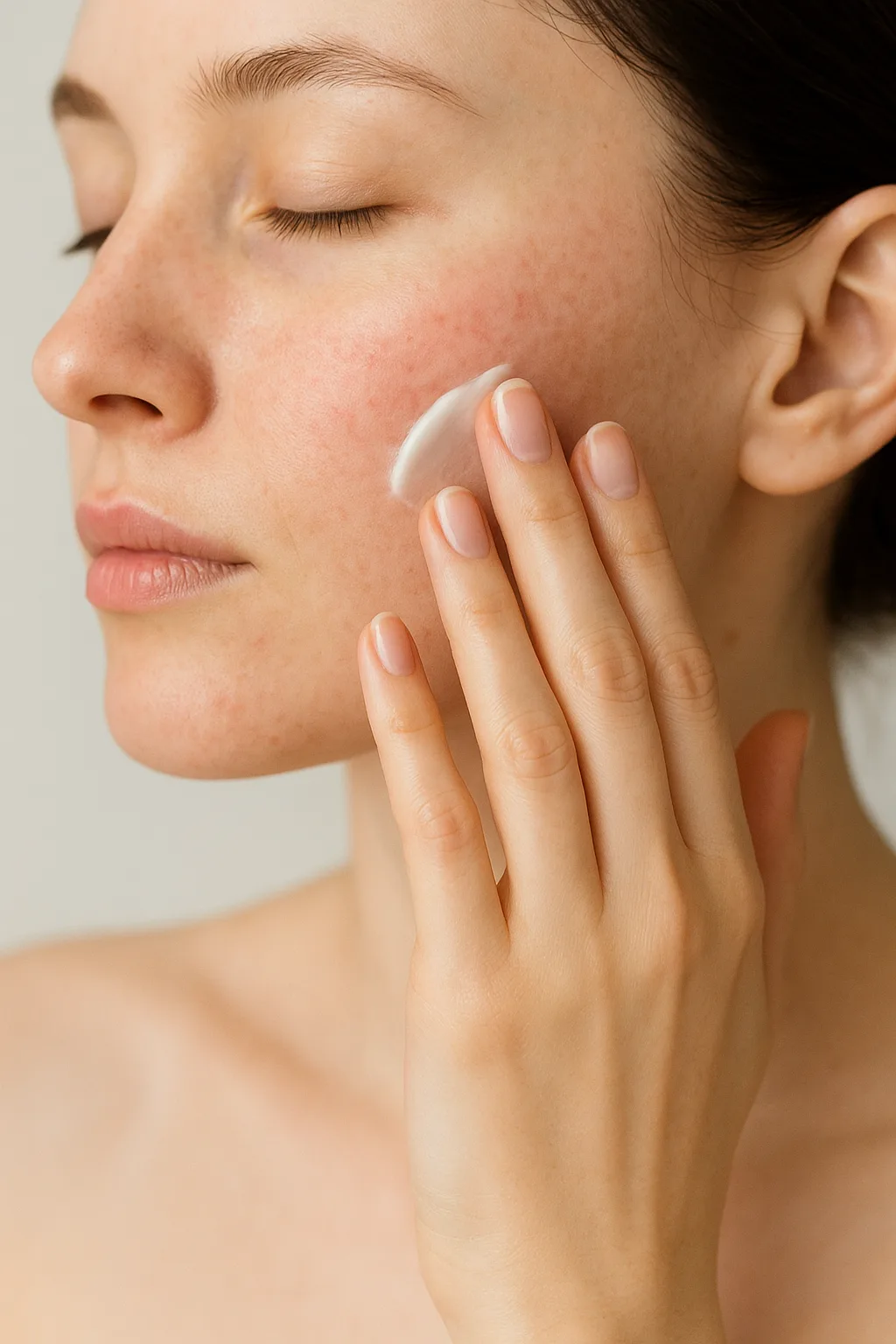
Azelaic Acid Skincare: The Multi-Target Ingredient
You know the struggle. You’ve got a separate serum for breakouts, a calming cream for redness, and a brightening treatment for dark spots. Your bathroom shelf looks like a pharmacy. Your morning routine takes fifteen minutes just to layer everything in the right order. And your skin still throws tantrums. It’s exhausting.
What if one ingredient could handle all three? That sounds like a marketing gimmick, right? But azelaic acid is the rare exception. It is a genuine multitasker. It fights acne by calming inflammation and unclogging pores. It reduces redness by soothing the skin and evening out tone. It fades dark spots by gently inhibiting melanin production. All at once. No separate bottles needed.
Azelaic acid is particularly brilliant for anyone dealing with sensitivity alongside other concerns. Many acne treatments are harsh. Many brightening ingredients sting. Azelaic acid is different. It’s naturally derived and generally well tolerated. It works without stripping your barrier or causing that angry, tight feeling. That’s why it’s a standout in modern dermatology. It’s the versatile workhorse that deserves a spot in more routines.
The best part? It plays well with others. You can use it alongside your moisturizer, your sunscreen, even your retinol (with proper layering). It doesn’t demand a complicated schedule. A simple daily application can start delivering visible results within weeks. Less fuss. Fewer products. Real progress.
If you’ve been juggling a cocktail of actives and still not seeing the clarity you want, azelaic acid might be the missing piece. It has been around for years, quietly doing its job. But more people are catching on. And for good reason.
So what exactly is azelaic acid, and how does it work on the skin? Here is the breakdown.
What Is Azelaic Acid in Skincare?
Azelaic acid might lack the star power of retinol or the cult following of vitamin C, but it is one of the most versatile ingredients in modern skincare. So what exactly is it? At its core, azelaic acid is a naturally occurring dicarboxylic acid found in grains like wheat, barley, and rye. The “acid” label can mislead; for skincare use, the molecule is synthesized in a lab to be stable, effective, and gentle. It behaves differently from a typical exfoliating acid.
What makes azelaic acid special is its rare dual personality. It works as an anti-inflammatory and a keratolytic agent at the same time. That means it calms redness, swelling, and irritation while gently encouraging the skin to shed dead cells and turn over more efficiently. Think of it as a peacekeeper and a cleanup crew rolled into one. It soothes the inflammation that fuels conditions like rosacea and acne, then tidies up the follicles so they don’t get clogged again.
This is where azelaic acid breaks from the crowd. If you’ve used AHAs or BHAs, you know they work by broadly exfoliating the skin’s surface or deep inside pores. That approach is useful, but it can also be irritating. Azelaic acid takes a different route. Its primary action targets the specific bacteria and inflammation that drive acne and rosacea. Research suggests it fights Cutibacterium acnes and reduces the inflammatory response that makes those red bumps so stubborn. For rosacea, it’s especially helpful because it calms the vascular inflammation while preserving the skin barrier.
Because of this targeted action, azelaic acid works well for sensitive skin types who can’t tolerate traditional exfoliants. It’s a multitasker that addresses breakouts, redness, uneven texture, and even post-inflammatory hyperpigmentation. If you’ve struggled with skin inflammation that won’t quit, understanding how inflammation interacts with the skin barrier is key. Resources on skin inflammation and overall skin health can provide deeper context.
Although azelaic acid lacks the flashiest profile on the shelf, its ability to multitask without disrupting the skin makes it a quiet hero. The science behind how it tackles multiple concerns at once reveals more going on beneath the surface than expected.
The Science: How Azelaic Acid Works on Multiple Fronts
The mechanics of azelaic acid are worth exploring, because the ingredient does far more than sit on the surface hoping for the best. It actually works on four different fronts at once, which explains why it is such a powerful tool for people dealing with acne and rosacea simultaneously. First, it fights bacteria. Specifically, it targets Cutibacterium acnes, the bacteria that drives inflammatory breakouts. It also goes after something more surprising: Demodex mites. Those microscopic creatures are a normal part of skin flora, but in rosacea-prone skin, they often overpopulate and trigger inflammation. Azelaic acid helps keep their numbers in check. That’s step one.
Step two is all about calming the fire. Azelaic acid reduces the production of inflammatory mediators, the chemical signals that tell the skin to swell up and turn red. That’s why it’s so effective for rosacea and for post-inflammatory hyperpigmentation. When the inflammation dials down, the dark spots left behind by breakouts fade faster. A complete guide to rosacea can offer more detail on managing this condition.
Then comes the melanin piece. Azelaic acid inhibits tyrosinase, the enzyme that kickstarts melanin production. It interrupts the process at the source without bleaching the skin, which means it works well for melasma, sun spots, and that stubborn hyperpigmentation that lingers after acne lesions heal. It’s gentler than hydroquinone, so it’s a good option for long term use.
Finally, azelaic acid normalizes the way the skin sheds cells inside the pore. This is the keratolytic effect. It keeps dead skin cells from clumping together and blocking the follicle without stripping the barrier. Pores stay clear. Breakouts don’t get a foothold. And unlike harsh exfoliants, it leaves the skin calm and comfortable.
This combination makes azelaic acid unusually effective for conditions that frequently overlap. Acne and rosacea often appear together. Hyperpigmentation follows breakouts like a shadow. By working on bacteria, inflammation, pigment, and cell turnover all at once, it addresses the root causes while also tackling symptoms. That’s why it’s a favorite for treating acne scars too.
With that understanding in place, the next section looks at one of its most practical uses: azelaic acid for acne, where it shines as a gentler alternative to harsher prescription options.
Azelaic Acid for Acne: A Gentler Alternative
Acne is frustrating enough without adding stinging, peeling, or redness into the mix. If you’ve tried benzoyl peroxide or salicylic acid and ended up with irritated skin, azelaic acid might be exactly what you’re looking for.
This multitasking ingredient works on two fronts at once. It targets the bacteria that contribute to breakouts, specifically Cutibacterium acnes, while also helping to normalize follicular keratinization. That’s a fancy way of saying it keeps the pores from getting clogged in the first place. By reducing both inflammatory acne (those red, angry pimples) and non-inflammatory acne (blackheads and whiteheads), azelaic acid offers a comprehensive approach without the harshness of traditional treatments.
Compare that to benzoyl peroxide, which kills bacteria effectively but often causes dryness, peeling, and bleach stains on towels. Salicylic acid is great for exfoliating inside pores, but it can leave sensitive skin feeling tight or flaky. Azelaic acid is different. Its anti-inflammatory properties calm the skin while it works, making it an ideal choice for anyone with a history of irritation from stronger actives. It layers well with other ingredients. You can use it alongside retinoids without worrying about excessive irritation, and it’s considered safe during pregnancy, which is a huge relief for many.
Who benefits most from this gentler alternative? If you have persistent breakouts that never seem to fully clear, even with a solid routine, azelaic acid can step in as a steady, non-aggressive ally. The same goes for those with sensitive skin who feel like every acne product is a gamble. And if you’ve tried prescription treatments or over-the-counter options and ended up red, sore, or frustrated, it’s worth exploring a different path. For a deeper look at building an acne routine that respects the skin’s tolerance, guides on how to get rid of acne and comparing OTC versus prescription options can help you decide.
Azelaic acid proves that you can clear your skin without punishing it. Sometimes the gentlest approach is the most effective one. And if you struggle with redness or rosacea, azelaic acid has something to offer there too.
Azelaic Acid for Rosacea and Redness
Azelaic acid is one of those rare ingredients that proves itself in practice. For rosacea, especially the papulopustular subtype, it is an established treatment.
So how does it help? Rosacea involves an overactive immune response. The skin’s protective systems start firing at the wrong targets, causing inflammation, redness, and those small pus-filled bumps. Azelaic acid steps in to calm that reaction. It reduces inflammation directly, and it helps normalize the way the immune system behaves. Think of it as a gentle reset button for skin that’s stuck in alarm mode.
There’s another layer to the story. Evidence indicates that Demodex mites, tiny organisms that live on everyone’s skin, can become overpopulated in rosacea-prone skin. These mites trigger inflammation and worsen symptoms. Azelaic acid helps manage their numbers. It keeps the population in check without killing it outright, which reduces a major source of irritation.
For rosacea, azelaic acid is typically prescribed at 15 to 20 percent concentrations. That sounds strong, and it is. But here’s the surprising part: unlike many active ingredients that would sting and flare up sensitive skin, azelaic acid tends to calm it. It’s one of the few actives that actually soothes while it works. That makes it a go-to for people who have tried other treatments and found them too harsh.
If you’re dealing with persistent redness or bumps that won’t settle, it’s worth looking into a dedicated rosacea routine. A complete guide to rosacea covers triggers and how to build a supportive skincare plan. Azelaic acid fits naturally into that approach. And because inflammation is at the heart of rosacea, understanding how to manage that process is key. Resources on skin inflammation explain the mechanisms behind redness and why certain ingredients work better than others.
Once the redness and bumps are under control, the next concern often shifts. Many people notice that after the inflammation fades, dark spots or uneven tone remain. That’s where azelaic acid shows another talent. Beyond rosacea, it also targets hyperpigmentation and melasma.
Azelaic Acid for Hyperpigmentation and Melasma
Those leftover dark spots can be the most frustrating part of a breakout. The pimple itself eventually flattens out, but the mark it leaves behind seems to settle in for months. Azelaic acid steps in right there. It quietly gets to work by slowing down tyrosinase, the enzyme responsible for melanin production. Think of it as turning down the volume on pigment production for a gradual, gentle fade. That makes it a gentle but effective option for fading post-acne marks and stubborn melasma. If you’re ready to tackle those spots from every angle, guides on fading dark spots and hyperpigmentation offer a deeper look.
What makes azelaic acid different from hydroquinone? Hydroquinone pushes pigment out of the skin with a forceful bleaching effect. Azelaic acid takes a more measured approach. It interrupts pigment formation at the source and calms inflammation along the way. It is commonly recommended for melasma because it can be used for longer periods without the rebound darkening that can happen with harsher lighteners. For a full breakdown of what triggers melasma and how to manage it, resources on melasma causes and treatments cover the whole picture.
Compared with other brighteners, azelaic acid has a unique niche. Vitamin C is a strong antioxidant that helps fade spots through its own pathways, but its formulations can be irritating or unstable. Tranexamic acid is impressive for melasma, especially when applied consistently, yet azelaic acid tends to be better tolerated by deeper skin tones. In fact, it has become a staple in skincare for skin of color because it rarely triggers the post-inflammatory hyperpigmentation that can happen with more aggressive ingredients. That same gentle nature makes it a favorite for treating dark spots in darker complexions, as detailed in skin of color guides.
Results take time. Azelaic acid is a patience game. It usually takes eight to twelve weeks of daily use to see meaningful lightening, and even longer for melasma. But those results are lasting when paired with diligent sun protection. Without sunscreen, any pigment-darkening treatment is working against constant UV stimulation. UV exposure directly stimulates tyrosinase, which undoes the work azelaic acid is doing. So apply SPF every morning, even on cloudy days. That combination of consistent azelaic acid and sun protection is the real long-term strategy.
Once the routine feels settled and the skin starts to calm down, the next question is how to layer everything without causing new flare-ups. That is where timing and application order matter.
How to Use Azelaic Acid in Your Routine
So you’ve got your azelaic acid product ready and you’re wondering where it fits into your daily lineup. The good news? It’s one of the most forgiving ingredients for layering. Start by using it once a day, preferably in the morning, after cleansing and before moisturizer. A thin layer is all you need. Let it sink in for a minute or two, then follow with moisturizer and sunscreen. If your skin tolerates it well after a week, you can bump it up to twice daily.
Azelaic acid plays nicely with most other active ingredients. It pairs beautifully with niacinamide, which helps strengthen the skin barrier and calm any potential irritation. Vitamin C is another great partner, especially in the morning routine. Apply your vitamin C serum first, then azelaic acid, then moisturizer and SPF. Hyaluronic acid also layers seamlessly underneath azelaic acid, adding a boost of hydration without interfering with its function.
What about retinoids? Many people worry that combining the two will cause irritation. Research suggests azelaic acid can help reduce the redness and peeling often associated with retinoids. If you’re using both, apply your retinoid at night and azelaic acid in the morning. Or, if your skin is resilient, you can apply azelaic acid after your retinoid has dried, but start slowly.
Should you use it morning or evening? Both work, but morning use requires diligent sunscreen application. Azelaic acid does not increase sun sensitivity, but any active ingredient deserves sun protection. Always finish your morning routine with SPF 30 or higher.
A sample routine for oily, acne-prone skin might look like this: cleanse, azelaic acid, niacinamide serum, lightweight moisturizer, SPF in the morning. At night: double cleanse, azelaic acid, retinoid (if tolerated), moisturizer. For dry or sensitive skin, apply azelaic acid only once daily, after a hydrating toner, and follow with a rich moisturizer.
One thing to note: you might feel a mild tingling or itching sensation when you first apply azelaic acid. This is normal and usually fades within a few minutes. The sensation is a normal part of the skin adjusting to the ingredient. If it persists or burns, reduce frequency.
As you get comfortable with how azelaic acid fits into your routine, you’ll likely start wondering about the different strengths and formulations available. That leads into concentrations, forms, and what to look for when choosing a product.
Concentrations, Forms, and What to Look For
Numbers matter, because this is where a lot of the confusion creeps in. Over-the-counter azelaic acid usually sits at 10%. That’s a solid, effective concentration for tackling general texture, mild breakouts, and the first hints of post-blemish marks. It’s gentle enough for daily use and plays nicely with most routines. Prescription formulations, on the other hand, jump to 15% or 20%. Those higher strengths are typically reserved for rosacea and more stubborn pigmentation issues. This jump in percentage makes a real difference for inflammatory redness and papules. If you’re dealing with persistent rosacea, the OTC options might feel like they’re barely making a dent. That’s the cue to chat with a professional about a prescription option.
Now, the format matters just as much as the percentage. Serums are the easiest to layer. They’re lightweight, absorb quickly, and work well for oily or combination skin that hates heavy textures. Creams offer a bit more cushion and hydration, making them a good pick for dry or sensitive skin that gets tight easily. Gels are a middle ground. They feel light but can sometimes have a slightly tacky finish, which is fine for evening use. Foams are the least common but worth mentioning. They’re airy, spread fast, and feel refreshing on irritated skin, though they can be drying if the barrier is compromised. Think about the skin’s needs. If it’s parched, go cream. If it’s slick, go serum or gel.
Reading the label is where things get tricky. Azelaic acid is the active, but the carriers around it matter just as much. Some formulations rely on heavy oils or waxes that can clog pores, especially at 10% strength. Steer clear of anything with high levels of coconut oil, shea butter, or certain fatty alcohols if you’re breakout-prone. Guides on comedogenic ingredients break down exactly which carriers to avoid. A clean formula should list the azelaic acid high up and keep the rest simple. If you’re unsure about a term, a skincare ingredients glossary is a handy reference to keep open.
Timeline expectations keep you sane. Breakouts often show initial improvement within four weeks. You’ll notice fewer new spots and less angry redness. Pigmentation is slower. Fading dark marks takes patience, usually eight to twelve weeks of consistent use. That’s normal. Skin cells need time to turn over and push that pigment to the surface. Stick with it, and the results will come.
A Reliable Multitasker
Azelaic acid earns its reputation through quiet, consistent results. The ingredient works steadily across multiple fronts. For breakouts, it helps calm the bacteria and inflammation that fuel acne. For redness, it soothes the underlying irritation that makes sensitive skin feel reactive. For dark spots, it gently interrupts the overproduction of pigment that leaves behind stubborn marks. One ingredient doing three jobs without forcing a choice between them.
The part that matters most is that it does all of this without the common trade-offs. Many acne fighters dry out the skin or make it more vulnerable to the sun. Many brightening agents can sting or cause photosensitivity. Azelaic acid avoids both. It is well tolerated even by rosacea-prone or eczema-prone skin. Your risk of sunburn stays the same, and no gradual introduction or complicated layering routine is required. You can use it morning or night, alongside most other actives, and it simply gets on with the work.
That makes it a smart foundational active for anyone with reactive or combination skin. If your complexion swings between oily patches and dry flakes, if redness flares up unpredictably, if you are tired of juggling three different serums to manage three different issues, azelaic acid offers a streamlined answer. It cuts the clutter. It reduces the guesswork. Concerns about whether the routine is balanced or whether incompatible ingredients are being layered become unnecessary. One well-chosen active can carry a surprising amount of the load.
The practical case for azelaic acid is simple. Look at your own skin patterns. Do you see recurring breakouts that leave behind dark marks? Do you notice redness that lingers long after a pimple heals? Do you have combination skin that seems to react to everything? If the answer to any of these is yes, this ingredient deserves a place in your routine. It is a reliable multitasker that earns its spot through versatility and evidence. It rewards patience.
In a world of complicated formulas and endless product launches, sometimes the most effective step is the one that simplifies. Azelaic acid does exactly that. It meets you where your skin is, works quietly in the background, and helps you move toward clearer, calmer, more even skin without the drama. It stands out because it is honest and results-driven. And honest ingredients are the ones that last.
Drafted using Lumino AI.
This content is for informational purposes only and is not medical advice.
Learn how we review skincare guidance in our methodology.
Last updated: October 7, 2026
Written by
Lumino AI