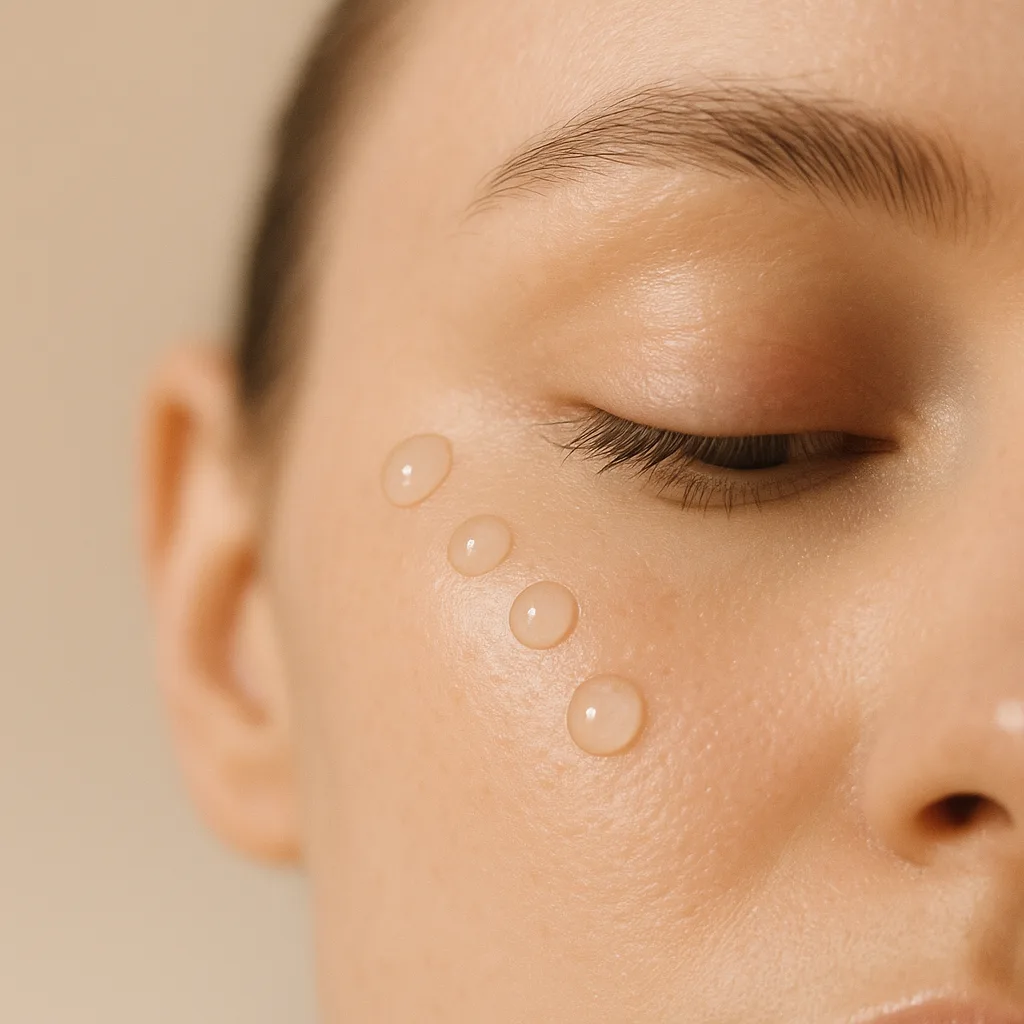
Bio-Retinol Skincare: Gentle Anti-Aging
Daily skincare enthusiasts face a familiar battle. Retinoids shine as the gold standard for turning back the clock. They smooth fine lines, even out tone, and ramp up cell turnover for a fresh glow. Yet the road to results often hits roadblocks. Dryness creeps in, flaking follows, and redness lingers. Many abandon their regimen before seeing the payoff.
Dermatologists agree retinoids deliver real anti-aging power. Research suggests they stimulate collagen production and fade hyperpigmentation over time. The catch lies in their potency. Traditional retinol derives from vitamin A and works aggressively on skin cells. This intensity sparks irritation, especially for beginners or those with reactive complexions. Building tolerance takes patience, involving weeks of low doses and gradual increases. Still, not everyone sticks with it.
Bio-retinol steps in as a solution for those seeking results without the harsh adjustment period. Derived from plants like bakuchiol, it mirrors the renewal magic of vitamin A. Gentler delivery means smoother texture without the typical drama. Collagen gets a boost, wrinkles soften, and pores refine while radiance builds steadily.
This ingredient integrates into a routine without the need for second-guessing. There is no traditional purging phase or mandatory heavy moisturizer layering required to offset irritation. Bio-retinol plays well with other actives; it can be paired with hyaluronic acid for hydration or layered under vitamin C for brightness. Whether applied in the morning or at night, it adapts to the skin's needs. Sensitive skin thrives and mature complexions rejuvenate as the formula accommodates even the busiest schedules.
Results stack up over months. Texture refines and elasticity returns, allowing a natural glow to emerge. Studies hint at comparable efficacy to retinol minus the side effects. Dermatologists often recommend it for long-term adherence because people stay consistent when their skin feels comfortable.
This shift redefines anti-aging. Gentle does not mean weak; plant-powered options deliver where harsh ones falter. Modern skincare demands a balance where efficacy pairs with comfort, and bio-retinol achieves both.
What Is Bio-Retinol in Skincare?
Bio-retinol is a plant-powered alternative to traditional vitamin A derivatives. It delivers the anti-aging punch of standard retinol without the familiar sting, redness, or peeling. At its core lies bakuchiol, extracted from the seeds of the Psoralea corylifolia plant, also known as babchi. This herb has roots in ancient Ayurvedic and traditional Chinese medicine, where it was prized for skin healing and vitality.
Sourcing bakuchiol keeps the process focused on botanical purity. The seeds undergo a gentle extraction process, often using solvents or supercritical CO2, to isolate the active compound. Farmers cultivate the plant in regions like India and China, where it thrives in sunny, well-drained soils. What emerges is a golden oil rich in bakuchiol, ready to blend into serums and creams. This origin story sidesteps synthetic production, appealing to those who want efficacy rooted in nature.
Consider its structure. Bakuchiol boasts a chemical makeup strikingly similar to retinol. Both feature a branched hydrocarbon chain attached to a benzene ring, allowing them to bind to the same receptors in skin cells. While retinol converts to retinoic acid inside the body to signal collagen production, bakuchiol mimics this pathway directly without the complex conversion steps. Research suggests this structural parallel explains its potency. Furthermore, bakuchiol stays stable under light and air exposure. Retinol, by contrast, degrades quickly and usually demands opaque packaging and nighttime-only use.
Penetration sets bio-retinol apart even more. Its lipophilic nature means it loves oil, slipping effortlessly through the skin's lipid barrier. The molecular weight is small enough to reach deeper dermal layers where aging occurs. Skin absorbs it rapidly, as confirmed by topical delivery studies. Irritation stays minimal because bakuchiol lacks the reactive double bonds found in retinol that can spark free radicals and inflammation in sensitive skin. Users report smooth integration into their lives.
This gentle delivery system makes bio-retinol suitable for all skin types, from beginners to rosacea-prone complexions. Formulators often pair it with hydrators like hyaluronic acid for amplified results. Because of its stability, it can even be used during the day alongside a broad-spectrum SPF.
The Science of Bio-Retinol Benefits
Bio-retinol works its magic deep within the skin's cellular machinery. Researchers have found it influences gene expression in ways that closely mirror traditional retinol. This means it activates the same pathways that signal skin cells to repair and renew themselves without the harsh side effects.
Consider collagen production. Collagen forms the structural scaffold keeping skin firm and plump. As we age, natural collagen levels drop, leading to sagging and fine lines. Bio-retinol steps in by upregulating genes responsible for collagen synthesis. Studies confirm this boost happens gently, encouraging fibroblasts—the cells that produce collagen—to ramp up output over time. The result shows up as improved skin elasticity.
Wrinkle reduction follows a similar path. Fine lines and deeper creases form from repeated facial movements and collagen loss. Clinical trials demonstrate bio-retinol smooths these by promoting skin cell turnover and thickening the dermis layer. Participants noticed visible improvements in as little as four weeks, with sustained use yielding even better outcomes. Dermatologists agree this makes it a reliable choice for long-term wrinkle management.
Inflammation plays a sneaky role in aging. Chronic low-level irritation speeds up the breakdown of skin proteins and accelerates visible wear. Bio-retinol calms this by modulating inflammatory genes, reducing redness and sensitivity. Research suggests it strengthens the skin barrier, locking in moisture while keeping irritants out. Sensitive skin types benefit most here, as trials highlight fewer reactions compared to standard retinoids.
Safety stands out in the data. Multiple clinical studies on diverse skin tones and types affirm the tolerability of these plant-based alternatives. Even those with rosacea or eczema report minimal irritation. No peeling and no dryness—just steady progress. Experts point to its plant-derived stability as a key factor, allowing it to deliver retinol-like power without destabilizing in formulations.
Key Benefits for Anti-Aging
Bio-retinol delivers noticeable changes for skin that is aging gracefully. Research suggests it smooths fine lines by boosting collagen production without the harsh irritation often seen elsewhere. Users see softer crow's feet and forehead creases fade over time. Skin texture transforms as well; rough patches even out, pores appear refined, and a healthy glow returns as cell turnover accelerates gently.
Hyperpigmentation responds well to this ingredient. Dark spots from sun exposure or hormones lighten gradually — for a targeted approach, see our guide on how to fade dark spots and hyperpigmentation. Dermatologists agree this even tone comes from a targeted approach to melanin regulation. Even better, it strengthens the skin barrier. This vital layer locks in moisture and shields against daily aggressors. For deeper insights on barrier repair, check out our guide on how to repair the skin barrier. Healthy barriers mean less sensitivity and more resilience.
Antioxidant properties add another layer of protection. Bio-retinol neutralizes free radicals from pollution and UV rays, which are known to speed up aging. By fighting oxidative stress, it preserves elasticity and firmness long-term.
Suitability for daily use sets this ingredient apart. It can be applied morning and night without the typical purging phase or peeling. Sensitive skin thrives on this consistency. When routines are built around it, results compound. Weeks in, the skin feels plump and radiant.
Consider these standout improvements:
- Fine lines: Reduced depth and visibility through steady collagen support.
- Texture: Smoother surface with refined pores and even hydration.
- Hyperpigmentation: Faded spots for a brighter, uniform complexion.
- Barrier strength: Enhanced defense and moisture retention for lasting comfort.
Bio-Retinol vs Traditional Retinol
Traditional retinol has long reigned as the gold standard for anti-aging. It works by converting into retinoic acid deep in the skin, signaling cells to boost collagen production and speed up turnover. This process is effective, yet it demands multiple steps inside the skin, which often leads to side effects.
Bio-retinol takes a more efficient path. Derived from biotech innovations, it mimics the effects of retinoic acid without the full conversion journey. Research suggests it activates similar pathways for collagen synthesis and cell renewal. Dermatologists agree this direct approach delivers results with far less irritation.
Redness, peeling, and dryness often define the "retinization" period for many users of traditional vitamin A. Bio-retinol sidesteps this entirely. Its gentler profile means a smooth introduction, even for newcomers. Sensitive skin thrives because there is no purging phase to endure.
Stability proves another edge. Traditional retinol degrades fast under light and air exposure, causing formulas to oxidize and lose potency. Bio-retinol holds steady. It resists breakdown, ensuring consistent performance from the first drop to the last. This allows it to be used in daytime routines without worry.
Compatibility is where the plant-based version shines brightest. Traditional retinol demands caution as it often clashes with acids, vitamin C, or benzoyl peroxide. Bio-retinol plays well with others across the board. Oily skin absorbs it effortlessly, and mature complexions see firmness without flaking. Even reactive rosacea can benefit. For those wanting to compare all options, see our complete guide to retinol and retinoids.
How to Incorporate Bio-Retinol
Bio-retinol slips into routines with ease. Dermatologists agree beginners should apply it two to three nights a week to build tolerance gently. Over time, this can increase to every evening. While it is stable enough for daytime, many prefer reserving it for the evening to let the skin recover overnight.
A standard PM routine starts with a cleanser. After patting the skin dry, apply the bio-retinol serum and wait two minutes for absorption. Follow with a hydrator like hyaluronic acid and seal everything with a rich moisturizer. Hydrators prevent dryness and pair perfectly with the active, keeping the skin plump.
Morning routines should remain focused on protection. Cleanse, hydrate, and moisturize, then top with sunscreen. While bio-retinol is less sensitizing than traditional versions, sun protection remains essential for any anti-aging goal.
Layering is a matter of balance. For understanding skin type before selecting a formula, discovering your Baumann skin type can help narrow the right approach. Introduce one active at a time. Bio-retinol can be used alongside gentle acids like lactic or mandelic, perhaps on alternate nights. Avoid using strong glycolic acids daily, as they can overwhelm the skin. Always buffer with hydration—think ceramides or niacinamide to calm and strengthen the barrier.
Product formats vary, but serums are often the most effective as they deliver concentrated actives without heaviness. Creams work well for drier skin types. It is always wise to patch test new formulas on the inner arm for 24 hours before full application.
Here is a sample PM routine:
- Cleanse with a gentle foaming cleanser.
- Apply bio-retinol serum (starting 2-3x per week).
- Apply hyaluronic acid or niacinamide serum.
- Use a moisturizer with ceramides.
- Optional eye cream.
For full customization, the Lumino Skin app can analyze your specific concerns to help determine the right frequency for your skin type. Patience pays off; results typically build over four to six weeks as lines soften and a glow emerges.
Who Benefits Most?
Bio-retinol is the perfect ally for skin that demands gentle care. Traditional retinol is often too strong for those battling frequent irritation, but bio-retinol delivers similar smoothing powers with far less drama.
Those with reactive skin find relief here. When skin flushes from weather shifts or hot water, bio-retinol calms while it works. It boosts collagen production without stripping the barrier. Users with rosacea or eczema often report smoother texture over time without the peeling nightmares associated with stronger prescriptions. For a complete picture of eczema-friendly care, see our eczema and dermatitis skincare guide.
Beginners also find it a helpful entry point. Jumping into high-strength retinoids feels daunting when stories of dry patches and stinging eyes circulate. Bio-retinol offers a soft landing, allowing users to start a nightly routine without a scary purge phase. Research suggests it matches the wrinkle-reducing potential of retinol at lower irritation levels.
Expectant parents often turn to bio-retinol for its safety profile. While standard retinoids are generally avoided during pregnancy, this plant-derived alternative is a popular choice for maintaining a glow. It nourishes with antioxidants and supports natural repair during hormonal shifts.
Mature skin craves renewal that respects thinning barriers. Decades of sun exposure leave lines deeper and elasticity faded. Bio-retinol revives without overwhelming fragile complexions. It firms and brightens subtly while keeping hydration locked in. Those over 50 often notice plumper cheeks and softened crow's feet when pairing this ingredient with peptides.
To see how these ingredients are working for your specific face, using Lumino Skin to track texture changes over time can provide visual proof of progress.
- Sensitive types: Minimal irritation, maximum soothing.
- Beginners: Build tolerance painlessly.
- Mature complexions: Deep hydration plus a visible lift.
The Future of Bio-Retinol Trends
Bio-retinol is riding the wave of the clean beauty movement. Consumers crave ingredients that deliver real results without the baggage of synthetic irritants. Being plant-derived and microbiome-friendly, it fits perfectly into this ethos. Brands now spotlight its gentle power, drawing in eco-conscious enthusiasts who prioritize transparency.
New formulations are pushing boundaries. Lightweight serums now layer seamlessly under moisturizers, often blended with hydrating ferments and calming peptides. These hybrids target fine lines while soothing sensitivity. Time-release capsules are also emerging, ensuring steady delivery throughout the day to avoid overloading the skin. Research suggests these innovations enhance penetration without compromising the barrier.
Biotech is taking the ingredient to the next level. Laboratories harness fermentation and precision engineering to amplify potency. Scientists can now cultivate actives from yeast and bacteria that mimic wrinkle-fighting magic with zero photosensitivity. These enhancements boost stability and bioavailability, allowing the skin to absorb more, faster. Expect sustainable sourcing to remain a priority as biotech scales up without depleting rare plants.
Bio-retinol also slots ideally into "skinimalism," a trend focused on streamlined routines. Fewer products mean smarter choices. This ingredient multitasks by smoothing, brightening, and firming all at once. It fits a minimalist regimen where quality trumps quantity, satisfying the demand for simplicity in busy lives. For more on the minimal-product philosophy, read our guide to skinimalism and simplified skincare.
The Bottom Line
Bio-retinol delivers where traditional retinol often falters. It smooths fine lines and boosts collagen with far less irritation, leaving the skin feeling renewed day after day. Dermatologists agree this alternative supports cell turnover without the dryness that often leads people to quit their anti-aging journey.
The science supports this shift. Research suggests bio-retinol compounds provide a controlled release, leading to steady results. Over several weeks, texture improves, pores refine, and radiance builds. Users notice an even tone and a lasting plumpness.
Everyday routines thrive with its inclusion. Whether layered under moisturizer or paired with hyaluronic acid, its simplicity is a major draw. There is no need for complex recovery regimens or downtime.
As skincare moves toward sustainability, bio-retinol aligns with the future. Derived from renewable sources, it reduces reliance on synthetic harshness. The skin benefits from increased resilience against environmental stress as barriers strengthen and hydration holds.
Long-term commitment yields the greatest rewards. Consistency crafts lasting change. Months into a routine, wrinkles soften and elasticity returns. Bio-retinol empowers users by bridging the gap between aggressive anti-aging and gentle care. Science backs the promise, and the skin transforms accordingly.
Drafted using Lumino AI.
This content is for informational purposes only and is not medical advice.
Learn how we review skincare guidance in our methodology.
Last updated: March 14, 2026
Written by
Lumino AI