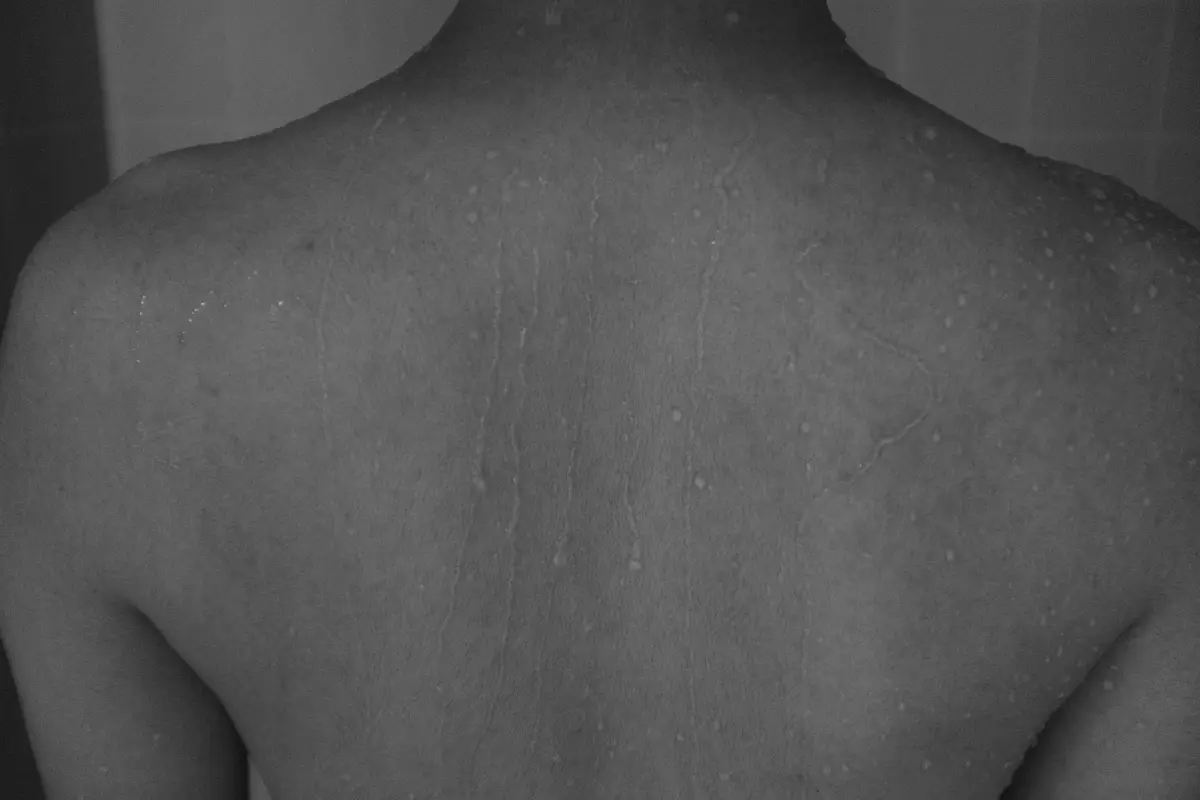
Eczema and Dermatitis Skincare Guide: Calm Flare-Ups and Protect Your Barrier
Eczema and dermatitis are not just "dry skin." They are inflammatory skin conditions where barrier function is impaired, moisture escapes more easily, and irritants penetrate faster. This creates a cycle of dryness, itching, inflammation, and further barrier damage.
The fastest way to improve outcomes is to break that cycle early and consistently.
Answer first: how do you reduce flares?
Use a barrier-first routine, remove frequent triggers, and escalate to medical care when symptoms are persistent, severe, or disrupting sleep and daily function.
If you are new to routine structure, start with Skincare Routine for Beginners, then adapt with the eczema-specific guidance below.
Eczema vs dermatitis: practical meaning
In everyday use, people often use these words interchangeably. Clinically, dermatitis is a broad category of skin inflammation, while eczema often refers to atopic dermatitis and related patterns.
Regardless of subtype, practical care priorities are similar:
- Reduce irritation load
- Repair barrier function
- Control inflammation
- Prevent recurrence
Why flare cycles persist
A common flare loop looks like this:
- Barrier weakens
- Skin becomes dry and itchy
- Scratching and irritation increase inflammation
- Barrier weakens further
Skincare alone cannot treat every case, but skincare can significantly reduce baseline inflammation burden and improve treatment tolerance.
Flare phase vs maintenance phase
Many people fail because they use one routine for all phases. Eczema care works better with phase-based management.
Flare phase goals
- Calm inflammation
- Minimize contact triggers
- Protect cracked/irritated areas
Maintenance phase goals
- Prevent recurrence
- Keep barrier strong
- Maintain comfort with the simplest sustainable routine
Flare-phase routine (short-term)
Morning
- Rinse or very gentle cleanse with lukewarm water
- Apply bland moisturizer immediately on damp skin
- Add sunscreen on exposed areas (fragrance-free preferred)
Evening
- Gentle cleanser (no scrubs, no high-foam surfactants)
- Moisturizer (thicker texture often better during active dryness)
- Occlusive layer on high-loss zones if needed
During flare: what to avoid
- Exfoliating acids
- Retinoids
- Fragranced leave-on products
- Essential oil blends
- Alcohol-heavy toners
When skin is stinging from routine products, focus on barrier repair-first care before reintroducing actives.
Maintenance-phase routine (long-term)
Morning
- Gentle cleanse or rinse
- Lightweight or mid-weight moisturizer
- Broad-spectrum sunscreen
Evening
- Gentle cleanse
- Moisturizer
- Optional targeted active only if skin is stable
Maintenance success depends more on daily consistency than on product novelty.
Ingredients often tolerated better
For full ingredient function details, see Skincare Ingredients Explained: A-Z.
Commonly helpful categories
- Ceramides: reinforce barrier lipid architecture
- Glycerin: humectant hydration support
- Colloidal oatmeal: soothing and anti-itch support
- Petrolatum: high-occlusivity water loss protection
- Panthenol: calming and hydration support
Use with caution (especially in flares)
- Fragrance and perfume blends
- Strong exfoliating acids
- Physical exfoliation
- Highly active anti-aging stacks
Patch testing remains useful, but very irritated skin can still react unpredictably.
Trigger audit: highest-yield interventions
Most flare patterns are multi-factorial. The following are common contributors:
Environmental triggers
- Cold/dry air
- Sudden weather shifts
- Harsh soaps and detergents
- Fragranced laundry products
Friction and contact triggers
- Scratchy fabrics
- Tight clothing over active areas
- Frequent hot showers
- Over-cleansing
Behavior and lifestyle amplifiers
- Sleep loss
- Stress surges
- Long hot bathing
- Repeated scratching
Do not try to fix every trigger at once. Remove 1 to 2 high-probability triggers first and monitor 2 to 4 weeks.
Itch management principles
Itch drives scratching, and scratching drives inflammation. Practical steps:
- Keep nails short
- Use cool compresses for acute itch spikes
- Moisturize before skin feels dry
- Prioritize nighttime comfort to reduce sleep disruption
If itch consistently wakes you or limits normal activities, medical escalation is warranted.
Body vs face strategy
Facial skin often tolerates less friction and fewer strong products than trunk/extremities.
Face
- Minimal routine, low-irritation products
- Daily sunscreen
- Conservative active reintroduction only when stable
Body
- Faster post-shower moisturization
- Occlusive support for elbows, knees, hands
- Trigger control from clothing and detergents
How to reintroduce actives after stability
After a calm period:
- Add only one active
- Start once or twice weekly
- Keep all other steps constant
- Increase only if no irritation trend appears
If symptoms recur, pull back immediately and return to barrier-first baseline.
When to seek professional care
Escalate promptly if you notice:
- Frequent flares despite consistent routine
- Cracked skin, oozing, crusting, or pain
- Signs of infection
- Significant sleep disruption from itching
- Work/school/social impairment
Also seek care if diagnosis is uncertain. Conditions like seborrheic dermatitis, allergic contact dermatitis, and psoriasis may require different plans.
Tracking progress the right way
Use a simple log every 2 to 3 days:
- Itch score (0 to 10)
- Sleep quality
- New triggers/exposures
- Flare location and severity
- Product changes
Photographs in consistent lighting are useful for objective trend review.
FAQ
Is eczema permanently curable?
Many people have chronic or recurrent patterns, but symptom control can improve significantly with consistent trigger management and treatment.
Should I stop all products during flares?
Stop irritants and strong actives, but keep gentle cleansing, moisturization, and sun protection.
Can I use anti-aging products with eczema-prone skin?
Often yes when stable, but reintroduce slowly and avoid stacking multiple irritants.
Does skin type affect eczema strategy?
Yes. Oil balance, sensitivity pattern, and barrier behavior influence formulation choice. If uncertain, start with a skin type assessment framework.
The Gut-Skin Connection in Eczema
Over the past decade, a meaningful body of research has emerged linking the gut microbiome to inflammatory skin conditions, with eczema among the most studied. The relationship is not merely correlational: early-life microbial diversity in the gut appears to influence immune system maturation in ways that affect long-term atopic risk. Children born via cesarean section, those with early antibiotic exposure, and those raised in highly sanitized environments show altered gut microbiome composition and elevated rates of atopic conditions — though causality is complex and multi-factorial.
The mechanism under investigation involves systemic immune modulation. Gut dysbiosis — an imbalance in the types and diversity of microorganisms in the intestinal tract — can tip immune signaling toward a Th2-dominant response, the same inflammatory pattern associated with atopic dermatitis. This means that chronic gut microbial imbalance can amplify the systemic inflammatory background against which skin flares occur, even in the absence of obvious gastrointestinal symptoms.
Clinical trials examining probiotic supplementation in eczema have produced mixed but modestly encouraging results. Certain strains, particularly Lactobacillus rhamnosus GG and Bifidobacterium longum, have shown benefit in reducing severity scores in some pediatric studies, though effect sizes are variable and adult data is less robust. Dietary fiber increases the production of short-chain fatty acids by gut bacteria, which appear to have anti-inflammatory effects systemically and may modestly influence skin barrier signaling. These are not substitutes for topical care and prescribed treatments, but they represent a plausible systemic layer to management that continues to attract research attention.
This emerging connection is part of why the skin microbiome itself — the community of microorganisms living on the skin surface — has become an important area of focus in eczema care. For a deeper look at how microbial balance on and in the body connects to skin health, see our skin microbiome guide. For understanding how postbiotic ingredients in skincare translate these insights into practical formulations, our postbiotic skincare guide provides accessible clinical context.
The practical implication is not to overhaul your diet or start multiple supplements. It is to recognize that the most durable eczema outcomes often come from addressing inflammation at multiple levels — topical, environmental, and systemic — while sustaining the basics of barrier-first skincare.
Eczema vs. Contact Dermatitis: Key Differences
Atopic eczema and allergic contact dermatitis (ACD) can appear nearly identical on the surface: both cause redness, itching, inflammation, and discomfort, often in the same areas. But they have fundamentally different origins, diagnostic paths, and management strategies. Conflating them can lead to months of ineffective treatment.
Atopic eczema is a chronic, relapsing condition with a strong genetic basis. Mutations in the filaggrin gene — which encodes a protein critical to the skin's structural integrity — are among the most replicated genetic findings in atopic dermatitis. Filaggrin loss-of-function variants impair the barrier's ability to retain moisture and exclude allergens, which helps explain why the condition is not just a surface problem. Eczema tends to follow a pattern of flares and remissions over years, often starting in childhood, and is frequently associated with other atopic conditions like asthma and allergic rhinitis.
Allergic contact dermatitis, by contrast, is a delayed hypersensitivity reaction to a specific allergen. The most common culprits include nickel (found in jewelry and belt buckles), fragrance compounds (in cosmetics and personal care products), and preservatives such as methylisothiazolinone and methylchloroisothiazolinone, which are used in many rinse-off and leave-on formulations. The reaction is antigen-specific: your immune system has been previously sensitized, and subsequent exposure triggers inflammation at the contact site. The distribution often provides a clinical clue — ACD tends to appear precisely where the allergen touched the skin, whereas eczema more often follows body-region patterns tied to barrier weakness.
The definitive diagnostic tool for ACD is patch testing, performed by a dermatologist or allergist. Patch testing applies standardized allergen series to the back under occlusion for 48 hours, with readings at 48 and 96 hours. Without this test, many people with ACD continue to unknowingly use the exact product causing their symptoms while attributing the reaction to general sensitivity.
Both conditions benefit from barrier-repair skincare — the fundamentals of ceramide-containing moisturizers, gentle pH-appropriate cleansers, and avoidance of known irritants apply to both. For a complete walkthrough of barrier-repair principles, see our barrier repair guide. The key distinction is that ACD requires allergen identification and elimination as the primary intervention, while eczema management centers on long-term barrier maintenance, trigger reduction, and inflammation control.
Bottom line
Eczema and dermatitis management is about barrier protection plus trigger control, not product intensity.
Phase-based care (flare vs maintenance) improves outcomes and reduces relapse risk.
If symptoms are severe, persistent, or impacting sleep and quality of life, escalate early.
Get Your Free AI Skin Analysis - Upload a selfie to assess barrier stress, sensitivity patterns, and personalized routine adjustments for flare prevention and long-term comfort.
Reviewed by Lumino Clinical Editorial Team on February 15, 2026.
This content does not replace diagnosis or treatment from a licensed medical professional.
Learn how we review skincare guidance in our methodology.
Last updated: February 15, 2026
References
- Atopic dermatitis patient guidance — National Eczema Association. Source
Safety Notes
- Patch test products and avoid strong actives during active flares.
- See a clinician for severe itching, cracked skin, or signs of infection.
If you have persistent symptoms, severe irritation, or sudden skin changes, consult a licensed dermatologist.