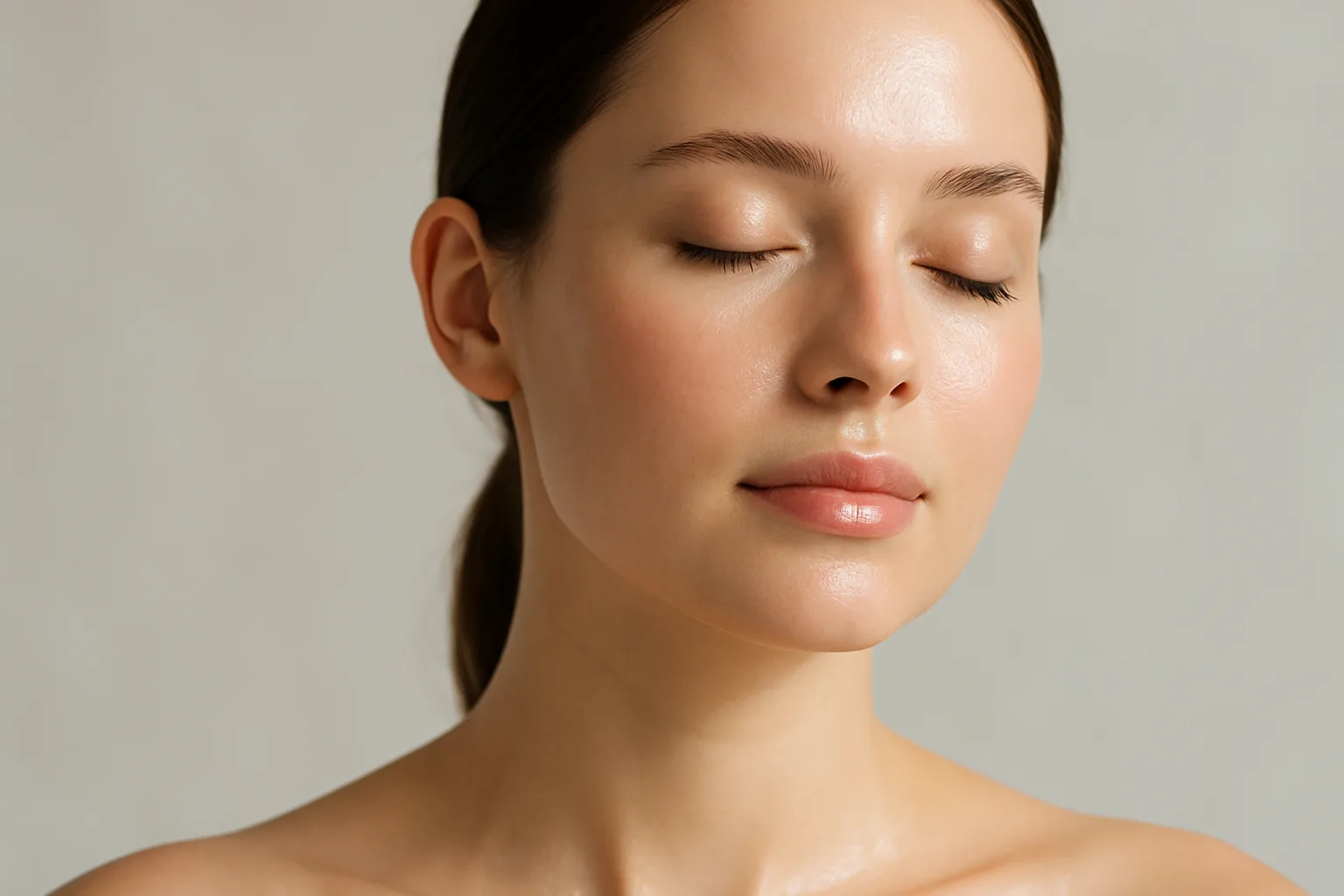
Biomimetic Skincare: The Nature-Mimic Trend
Imagine skincare that works exactly how your skin was designed to function. No harsh interruptions or forced fixes; just a gentle reinforcement of what your body already knows best. This is the core promise of biomimetic skincare, a movement prioritizing biological harmony over aggressive intervention.
Skincare routines have shifted toward longevity. Modern consumers crave products that support the skin's natural architecture while providing visible results. Biomimetic ingredients meet this demand by recreating the skin's essential building blocks in a lab. Ceramides that mirror your own barrier lipids and peptides that echo internal repair signals allow the skin to strengthen from within.
Dermatologists favor this approach because of its seamless integration. Your skin recognizes these mimics, allowing them to slot directly into cellular processes. This improves barrier function and stabilizes hydration without the inflammation often triggered by synthetic alternatives. Research suggests that while aggressive actives can disrupt the skin's delicate balance, biomimetics sidestep these issues to deliver calm, sustained progress.
Starting the day with a serum that feels like a natural extension of the complexion can lead to a dewy glow that builds over time. Fine lines soften and redness fades as the barrier rebuilds itself. This shift aligns with a broader focus on prevention over correction. Brands are innovating rapidly, creating formulations that prioritize biocompatibility and everyday wearability.
The results are often immediate in terms of texture and comfort. Skin absorbs these ingredients without pilling or stinging. Furthermore, the trend is expanding to include microbiome-friendly and eco-conscious mimics, where plant-derived analogs join lab-crafted molecules to create routines that evolve with the user.
This rise in popularity reflects a post-pandemic priority for resilience. As skin health becomes more closely tied to overall well-being, biomimetics empower the barrier to defend against urban stressors like pollution and blue light. Understanding this shift starts with the ingredients themselves.
What Are Biomimetic Ingredients?
Biomimetic ingredients represent a clever nod to nature's blueprint. The term "biomimetic" is derived from biology and mimicry, meaning these components are engineered to replicate the skin's own natural structures. They work effectively because they speak the same molecular language as the epidermis.
At the heart of this approach are the skin's essential lipids, proteins, and enzymes. Lipids like ceramides and cholesterol form the "mortar" in the skin's protective wall, sealing in moisture. Biomimetic versions recreate these exact fatty acid chains to fill gaps in the barrier effortlessly. Similarly, proteins such as collagen and elastin provide bounce and firmness. Biomimetics use peptides or amino acid sequences that mirror these proteins, signaling cells to ramp up their own production.
This high level of biocompatibility sets biomimetics apart. Because they integrate so smoothly, they minimize the adverse reactions common with harsher actives. Research suggests the skin absorbs them more efficiently, leading to longer-lasting hydration.
Sourcing is equally diverse. Natural mimics are often pulled from plant lipids, such as those found in rice bran or algae, while synthetic versions are lab-crafted to match human biochemistry atom for atom. Neither path compromises on efficacy; plants provide broad-spectrum benefits, while synthetics ensure purity and consistency.
Conventional ingredients often fall short of this level of mimicry. Petrolatum or mineral oils create a surface shield that can clog pores over time, and generic hyaluronic acid often hydrates only superficially. Biomimetics avoid these pitfalls by nourishing from within rather than simply coating the surface.
Key examples include:
- Ceramide NP: Identical to the skin's own barrier lipids.
- Niacinamide analogs: Enzyme-like components that promote even tone.
- Pseudo-ceramides: Synthetic stand-ins designed for instant barrier repair.
The Science of Biomimetic Repair
Biomimetic repair takes restoration to a deeper level by copying the exact processes the skin uses to heal itself. Ceramides are the primary tools here. Because biomimetic ceramides match the molecular blueprint of the skin's natural lipids, they slot into damaged areas to lock in moisture far more effectively than traditional synthetic alternatives.
Peptides serve as the messengers for cellular communication. The skin constantly sends signals via these amino acid chains to produce collagen. Biomimetic peptides replicate those signals, penetrating the dermis without triggering the inflammation often seen with standard anti-aging ingredients. This leads to smoother texture and improved firmness over time.
Enzymes also play a role in precision exfoliation. The skin naturally sheds dead cells using proteolytic enzymes. Biomimetic versions mimic this gentle breakdown, dissolving the bonds between dead cells without the irritation associated with strong acids. Studies show superior penetration into the stratum corneum with significantly lower redness and irritation scores.
The defining characteristic of these ingredients is their seamless compatibility. They work in harmony with the body because they are recognized as native molecules. For deeper insight into these foundational elements, you can explore our guide on repairing your skin barrier. This biological recognition is why penetration rates are higher and "purging" periods are virtually non-existent.
Top Biomimetic Actives
Several key actives are leading the way in modern formulations:
- Biomimetic Ceramides: These lab-crafted molecules mirror the lipids in the stratum corneum to restore barrier function faster than traditional versions, making them ideal for dry or flaky skin.
- Hyaluronic Acid Mimics: While classic HA pulls moisture from the air, advanced mimics replicate the skin's own hyaluronan production to bind water deeper in the dermis.
- Pseudoceramides: Often plant-derived, these excel at filling gaps in barriers damaged by harsh weather or over-cleansing.
- Bioferments: Ingredients like lactobacillus or yeast ferments echo the skin's microbiome activity, delivering antioxidants through bio-identical processes.
These actives form a powerhouse lineup that allows skin to rebuild its defenses while locking in hydration. When these ingredients are used, the benefits extend far beyond simple surface moisture.
Benefits Beyond Basic Hydration
While hydration keeps the skin dewy, biomimetics focus on rebuilding natural defenses. By replicating the ceramides, cholesterol, and fatty acids of the outermost layer, these formulas restore barrier function more rapidly than standard moisturizers.
This approach also addresses underlying inflammation. Biomimetic ingredients can mimic the skin's own anti-inflammatory signals, such as specialized lipids. Clinical insights show reduced redness and less reactivity, allowing the skin to remain calm even when exposed to stressors.
Microbiome support is another critical advantage. A healthy complexion hosts a community of beneficial bacteria that fends off pathogens. Biomimetics incorporate prebiotics and postbiotics that feed these good microbes. Studies highlight that improved microbial diversity leads to fewer imbalances and a more resilient glow.
Ultimately, this trend promotes skin longevity. By supporting cellular repair mechanisms akin to the skin's youth-preserving pathways, biomimetics encourage sustained health. For more on this, see our post on skin longevity trends. Consistent use enhances collagen integrity and reduces oxidative stress, helping the skin age gracefully.
Biomimetics vs. Traditional Skincare Actives
Traditional heroes like retinol, niacinamide, and standard hyaluronic acid are effective, but they often come with trade-offs. Retinol, for instance, is excellent for wrinkles but frequently causes peeling and redness. Biomimetic peptides offer a different route, prompting collagen production without the inflammatory "retinization" period.
Niacinamide is a celebrated multitasker for pore refinement and barrier strength. Biomimetics elevate this by using plant-derived mimics of skin enzymes to enhance niacinamide’s efficacy. Together, they amplify moisture retention while keeping irritation levels low.
| Feature | Traditional Actives | Biomimetics | |----------------------|----------------------|---------------------------------| | Irritation Potential | Moderate to high | Minimal | | Absorption | Variable | Enhanced (Bio-identical) | | Synergy | Good | Exceptional | | Speed of Results | Requires adjustment | Fast, with no purging |
The synergy between these categories is where the real potential lies. Biomimetics communicate with the skin like native molecules, meaning they can enhance traditional actives rather than competing with them.
Incorporating Biomimetics into Your Routine
Integrating these ingredients into a daily regimen is straightforward. In the morning, a biomimetic hydrator can prep the barrier, followed by a serum that mimics natural collagen boosters. These pair well with antioxidants like Vitamin C to enhance protection. Always finish with a broad-spectrum SPF, as UV rays can degrade the progress made by repair-focused actives.
Evenings should shift toward recovery. After cleansing, apply a biomimetic essence targeting cell turnover. If you use retinol, introducing biomimetic stabilizers can help buffer sensitivity. Consistency is more important than a high number of steps; introducing one new biomimetic product per week allows you to monitor how your skin responds.
To get a clearer picture of what your specific barrier needs, tools like the Lumino Skin app provide AI-driven analysis of your hydration levels and texture. This data helps you choose the right mimics for your unique profile.
Who Benefits Most?
Biomimetics are particularly effective for sensitive or reactive skin. Because these formulas strengthen the barrier by mimicking natural signals, they provide relief for those who find traditional anti-aging products too harsh.
Those with barrier damage—often caused by over-exfoliation or environmental factors—will see the most immediate improvement. By delivering the exact lipids the skin is missing, these products accelerate the healing process. Aging skin also thrives here, as biomimetics can signal fibroblasts to ramp up the production of the skin's structural matrix.
These benefits align with established frameworks like the Baumann Skin Types, which categorize skin based on oiliness, sensitivity, and aging tendencies. Understanding your specific category can help you select the most effective ingredients.
The Future of Innovation
The next phase of this trend involves personalized biomimetics. Advances in biotechnology are allowing for formulas tailored to an individual's genetic profile or real-time microbiome balance. We are also seeing the rise of biotech fusions, such as PDRN—DNA fragments that repair at a cellular level—combined with plant-based mimics.
Sustainability will remain a cornerstone of this innovation. Fermentation technology allows labs to produce bio-identical ingredients without depleting natural resources, ensuring that the trend remains eco-friendly. As regulatory agencies streamline approvals for nature-identical compounds, the market will likely see even bolder regenerative treatments, including those that mimic wound-healing signals to minimize scars and deep wrinkles.
The Bottom Line
Biomimetic skincare represents the intersection of biological wisdom and laboratory precision. By working with the skin's natural rhythms rather than against them, these ingredients offer a path to resilience and radiance without the risk of irritation.
As the industry moves away from "quick fix" mentalities and toward long-term health, biomimetics lead the charge. Whether you are looking to repair a damaged barrier or support graceful aging, these nature-inspired molecules provide a reliable, scientifically-backed foundation for any routine. The future of skincare is not about changing the skin, but empowering it to function at its absolute best.
Drafted using Lumino AI.
This content is for informational purposes only and is not medical advice.
Learn how we review skincare guidance in our methodology.
Last updated: March 7, 2026
Written by
Lumino AI