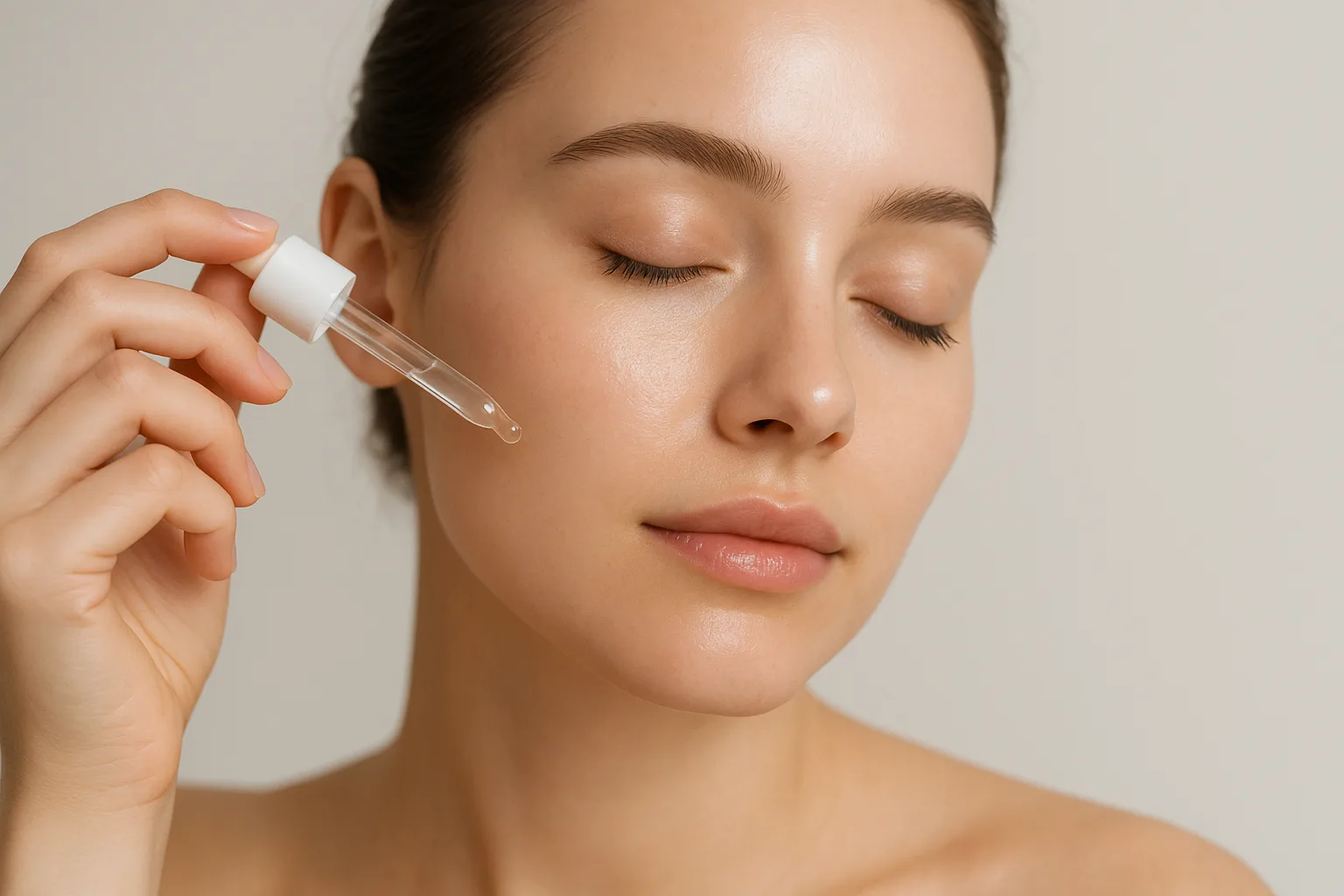
Ceramide Skincare: Barrier Essential
Tight, stinging skin even after slathering on heavy moisturizers. Flakes that refuse to fade. Sudden reactions to products that once felt gentle. These signs point straight to a skin barrier in trouble. The protective layer that keeps moisture in and irritants out has weakened. Daily life, harsh weather, and overzealous cleansing all chip away at it over time.
Dermatologists agree that a compromised barrier leads to endless frustration in any routine. Hydrators sit on the surface without sinking in. Actives meant to smooth or brighten instead spark redness. The cycle feels endless, and skin cries out for real repair rather than temporary soothing.
Ceramides offer a solution. These vital lipids rebuild the barrier from within by slotting back into the spaces between skin cells, sealing cracks and restoring strength. Research suggests ceramides boost hydration levels that last while calming inflammation and helping skin tolerate more potent ingredients. Over weeks of use, flakiness fades, tightness eases, and a resilient glow returns.
Think of the barrier as a brick wall. Lipids like ceramides act as the mortar holding it together. Without enough, the structure crumbles. Daily stressors deplete them naturally with age or environmental hits, but replenishing them shifts skincare from survival mode to thriving. Products with ceramides deliver targeted restoration, helping skin hold onto moisture and reducing irritation. Even sensitive types find relief through this structural support.
The payoff goes beyond comfort. Stronger barriers mean fewer breakouts, less sensitivity, and smoother texture overall. Studies show consistent use leads to measurable improvements in barrier function. Because ceramides mimic what skin makes naturally, they integrate seamlessly without greasiness. Integrating them into a routine thoughtfully allows for a visible transformation.
What Are Ceramides in Skincare?
Ceramides form the backbone of your skin's protective barrier. These naturally occurring lipids live in the outermost layer of the epidermis, known as the stratum corneum. If you view skin cells as bricks in a wall, ceramides act as the mortar, binding those bricks together into a sturdy structure. Without enough mortar, the wall becomes porous and unstable.
This setup creates the skin barrier, which serves two critical jobs. First, it locks in moisture. Ceramides prevent transepidermal water loss (TEWL), the process where hydration evaporates through the skin's surface. Healthy levels mean plump, supple skin that stays hydrated all day. Second, they form a shield. Irritants, pollutants, bacteria, and allergens are blocked instead of penetrating deep into the tissue. A strong barrier equals calmer, more resilient skin.
The barrier starts forming early in life, but daily assaults wear it down. Harsh cleansers strip lipids away, cold weather dries it out, and aging naturally reduces ceramide production. Even stress plays a role in disrupting the balance. When ceramides dip, skin feels tight and rough, redness flares up, and fine lines appear deeper from dehydration. Conditions like eczema or psoriasis often trace back to barrier issues rooted in low ceramide levels.
Skincare steps in to help. Topical ceramides, derived from plant sources or synthesized to match human ones, slip right into those mortar gaps to rebuild the structure from the outside. Research suggests consistent use improves hydration within weeks, causing dry patches to fade and sensitivity to ease.
Strengthening this barrier transforms the efficacy of your entire routine. Start with gentle products, layer ceramide-rich moisturizers over actives like acids, and protect with sunscreen daily. For a full roadmap to restoration, explore the essentials in our guide to repairing your skin barrier. It covers daily habits that make a difference.
Different Types of Ceramides
The skin's barrier relies on several key players within the lipid family. Ceramide NP, also known as ceramide 3, stands out for its moisture-binding power. It forms long, interlocking chains that lock in hydration. Ceramide AP, or ceramide 6-II, brings flexibility to the structure, helping the barrier adapt to daily stresses like temperature shifts. Then there is ceramide EOP, or ceramide 1, the heavy hitter for protection that creates a robust outer layer against pollutants. Phytosphingosine rounds out the group as a sphingoid base, supporting natural ceramide production while offering antimicrobial benefits.
These lipids assemble into a multilayered "mortar" between skin cells. Research suggests the right blend restores barrier function faster than any single type alone. Dermatologists agree formulations with multiple ceramides outperform those with isolates.
Regarding sources, synthetic ceramides come from lab precision. Manufacturers replicate the exact molecular structure found in human skin to ensure purity and stability. Plant-derived options draw from sources like wheat, rice, or yeast, offering a natural appeal and often including bonus antioxidants. Efficacy holds up across both; studies show synthetic versions integrate seamlessly into the skin's matrix, while plant-derived ones perform similarly in sensitive formulas.
The real magic happens in ratios. Healthy skin maintains a specific balance of roughly equal parts ceramides, cholesterol, and fatty acids. Smart products mimic this by using a mix like NP, AP, and EOP in proportions close to nature's blueprint. This pseudo-ceramide complex rebuilds the barrier holistically.
- Ceramide NP: Hydration hero with ultra-long chains.
- Ceramide AP: Adds elasticity and stress resilience.
- Ceramide EOP: Shields from invaders with foundational strength.
- Phytosphingosine: Boosts natural defenses with an anti-inflammatory edge.
Brands prioritize these in barrier creams and serums. Look for labels listing several types together, as the synergy amplifies results.
Science-Backed Benefits of Ceramides
Ceramides stand out because solid science backs their role in healthy skin. Research consistently shows they rebuild the natural barrier. When the barrier weakens from harsh weather or aging, skin loses its defense, and ceramides step in to fill those gaps. Clinical trials demonstrate faster recovery in barrier function after just weeks of use, with measurable drops in water loss.
Hydration follows naturally. Ceramides bind water molecules within the stratum corneum, creating a reservoir that lasts. Dermatologists point to studies where participants with compromised barriers saw sustained moisture levels rise significantly. Dry, flaky patches smooth out, and skin feels plump rather than parched by midday. This effect persists because ceramides mimic the lipids skin produces on its own.
There is also a significant anti-inflammatory power to consider. Inflamed skin often stems from a leaky barrier that lets allergens and pollutants trigger redness. Ceramides calm this cycle. Research highlights reduced inflammation markers in users with sensitive skin, and eczema sufferers benefit specifically. Clinical evidence reveals ceramide-infused treatments ease symptoms like itchiness and scaling. In one set of trials, patients reported clearer skin and fewer flare-ups after consistent application.
Ceramides shine in compatibility as well. They pair seamlessly with potent actives like retinoids, AHAs, and vitamin C, which can sometimes disrupt the barrier. Studies confirm ceramides buffer these effects, minimizing dryness or sensitivity. Applying them together allows skin to tolerate more without backlash, making ceramides a smart addition to any routine.
Ceramides for Specific Skin Concerns
Dry skin and dehydration are the primary concerns ceramides tackle with precision. When the barrier weakens and moisture escapes, it leaves tightness and roughness behind. Ceramides fill these gaps to lock in hydration. Research suggests consistent use leads to softer, more supple skin within weeks, allowing makeup to glide on without caking.
Eczema demands extra gentleness. Inflamed, itchy patches disrupt daily life, but these lipids calm the irritation by rebuilding the barrier that inflammation tears down. Dermatologists agree ceramide-rich formulas reduce redness and scaling. For deeper guidance, check our eczema skincare guide. Users often report longer stretches between flares and improved comfort.
Retinoids pack a punch for cell turnover but often irritate by thinning the barrier. Ceramides counteract that sting, allowing continued use without the burn. Pairing them post-retinoid application boosts tolerance and minimizes peeling. Our retinol complete guide dives into these layering strategies. Visible perks emerge fast: less redness around the eyes and the ability to layer actives without regret.
Aging skin benefits as ceramides combat the natural decline in lipid production. Fine lines deepen when dehydration sets in, but fortified barriers plump the skin from within. Pores appear refined and skin looks dewier. Research suggests ceramides enhance elasticity, pairing well with peptides for lasting firmness.
- Dry skin: Flakes vanish and suppleness returns.
- Eczema: Itch fades as the barrier holds strong.
- Retinoid irritation: Tolerance builds and progress accelerates.
- Aging: Plumpness softens the appearance of wrinkles.
How to Choose Effective Ceramide Products
Selecting the right product boils down to smart label reading. Scan the ingredients list; ceramides should appear toward the top, ideally in the first half. Products listing them lower down may deliver too little to make a difference. Seek out specific types like ceramide NP, AP, or EOP. For a full breakdown of these and more, check the skincare ingredients glossary.
Concentration is equally important. Dermatologists agree effective formulas pack ceramides at 0.1% to 3%. Look for "multi-ceramide complex" on the label, which signals a blend powerful enough to rebuild barriers fast.
Go further by pairing ceramides with cholesterol and fatty acids. Your skin's barrier thrives on a 3:1:1 ratio of these building blocks. Research suggests formulas with all three restore lipids better than ceramides alone. Spot cholesterol near ceramides and hunt for fatty acids like linoleic or stearic acid to lock in moisture.
Texture should be chosen based on your skin type:
- Dry or mature skin: Rich creams deliver heavy hydration without greasiness.
- Oily or acne-prone skin: Lightweight gels or serums absorb quickly and control shine.
- Combination skin: Lotions are balanced enough for cheeks but light on the T-zone.
Before full application, test a patch on your inner arm for 24 hours. If there is no redness, you can proceed with layering: serums before creams, both morning and night. Tools like the Lumino Skin app can help you track how your barrier responds to these new additions through AI-driven skin analysis, ensuring your choices are actually yielding results.
Incorporating Ceramides into Your Routine
Integrating these lipids into your routine is straightforward. Start right after cleansing, both morning and evening. Freshly washed skin craves that barrier boost most, and damp skin pulls ceramides in deeper, locking in hydration before other layers are applied.
In the morning, cleanse gently and pat dry, leaving the skin slightly damp. Apply a ceramide serum or lotion next, followed by a hyaluronic acid serum for extra plumpness. Seal it with a moisturizer and sunscreen. This setup strengthens the skin barrier in weeks, cutting dryness and irritation.
Evenings are for repair. Cleanse to remove makeup and SPF, then apply your ceramide product immediately. Dermatologists agree pairing it with gentle actives works wonders here. Niacinamide calms redness while a touch of peptides supports overnight repair. Finish with a thicker cream so your skin can rebuild while you sleep.
Layering stays simple: thicker ceramide creams sit well under oils, while lighter serums should come first. Always wait a minute between steps for absorption to avoid pilling. For a minimalist barrier focus, try these streamlined examples:
AM Routine:
- Gentle cleanser
- Ceramide serum
- Moisturizer
- Sunscreen
PM Routine:
- Double cleanse
- Ceramide lotion
- Niacinamide serum (optional)
- Rich moisturizer
If your barrier needs urgent care, layer ceramides twice daily. Gentle exfoliation every other week keeps turnover smooth without stripping the progress you've made.
Ceramides vs. Other Barrier Heroes
While ceramides form the "mortar" of the skin, other ingredients offer unique support. Niacinamide, for instance, tackles inflammation and uneven tone while supporting barrier function indirectly. You can learn more in our deep dive on niacinamide. Beta-glucan soothes redness and boosts hydration through its polysaccharide structure, as detailed in our beta-glucan guide. Ectoin shields cells from pollution and UV, acting as a barrier protector.
These heroes complement ceramides beautifully. Niacinamide calms overactive oil production while ceramides reinforce the lipid matrix. Research suggests this duo accelerates barrier recovery in sensitive skin. Layering a niacinamide serum under a ceramide moisturizer ensures pores stay balanced while hydration holds steady.
Beta-glucan excels at immediate soothing for flare-ups like rosacea. It draws water into the skin and stimulates repair signals, while ceramides take over for long-term fortification. Dermatologists agree this combination works wonders for eczema-prone skin; beta-glucan preps the surface, and ceramides cement the structure.
Ectoin is ideal for those facing urban pollution. It stabilizes proteins against environmental assault, and ceramides enhance this by replenishing the outer armor. Prioritize ceramides first if dryness cracks your skin or products sting on application, using the others as amplifiers.
Myths and Best Practices
Common myths often confuse ceramide use. One frequent concern is the fear of overuse. Some worry that slathering on ceramide-rich products will clog pores. However, ceramides simply rebuild what daily life strips away. Dermatologists agree the skin typically craves more of these lipids, not less. Research suggests consistent use strengthens resilience without downside.
Another myth involves the pH puzzle. Some claim ceramides demand a strict low pH formula to be effective. In reality, the skin's pH hovers around 4.5 to 5.5, and most ceramide products are formulated to sit comfortably in that sweet spot. Focus on overall routine balance rather than chasing a specific pH number.
To get the most out of your products, follow these best practices:
- Patch testing: Dab a small amount behind the ear for 24 to 48 hours to check for reactions.
- Consistency: Apply ceramides daily. Skin responds to rhythm, and four to six weeks of steady use bring visible shifts in texture and plumpness.
- Progress tracking: Note changes in softness or flare-ups. Using the Lumino Skin app to log your skin's texture can provide objective data on how your barrier is healing.
The Bottom Line
Ceramides form the backbone of a healthy skin barrier by locking in moisture and shielding against irritants. When pollution, weather, or overwashing weaken this barrier, dryness and sensitivity follow. Integrating ceramides shifts skincare from reactive patching to proactive prevention.
Consistency is the deciding factor. By layering ceramides into morning and evening routines, you allow results to compound. Redness fades, texture smooths, and the parched feeling of a compromised barrier vanishes. These quiet heroes work behind the scenes to deliver steady protection.
Routines simplify around ceramides because they reduce the need for corrective products. Focus on what delivers real results: a ceramide-rich moisturizer under sunscreen in the morning and a repair cream at night. This strategy elevates skincare from a chore to a smart, structural investment, resulting in a plump, even glow that lasts.
Drafted using Lumino AI.
This content is for informational purposes only and is not medical advice.
Learn how we review skincare guidance in our methodology.
Last updated: May 20, 2024
Written by
Lumino AI