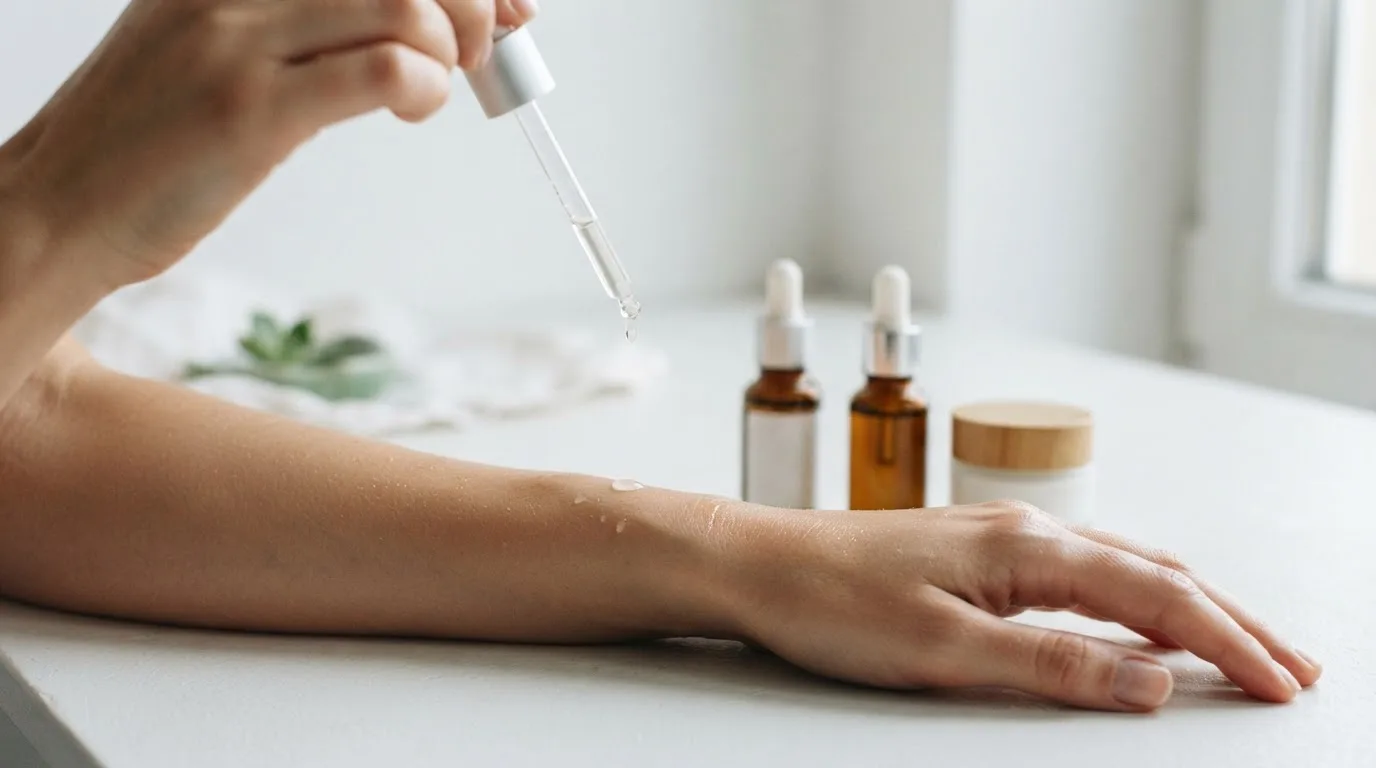
Humectants, Emollients, and Occlusives: Hydration Layers Explained
You pick up a moisturizer, and it looks like one thing. One jar. One bottle. One simple promise of soft skin. But flip it over and read the label, and suddenly it’s a jungle of long words and chemical names. You’re not alone if you’ve stood in the aisle wondering what your skin actually needs.
Here’s the secret that changes everything. Every hydrating product falls into one of three functional categories: humectants, emollients, and occlusives. That’s it. Once you understand these three roles, the label stops being confusing and starts being your cheat sheet. You’ll know exactly why one moisturizer feels light and another feels rich. You’ll know why your skin drinks up a gel in summer but craves a balm in winter.
Humectants pull water into the skin. Think of them as little magnets for moisture. Emollients smooth and soften the skin’s surface, filling in the tiny cracks between cells. Occlusives seal everything in, creating a protective barrier that stops water from escaping. Most products combine two or even three of these, but the balance is what makes them work for different skin types and seasons.
Dermatologists agree that the right moisturizer isn’t about the brand or the price tag. It’s about matching the function to your skin’s current needs. Oily skin might thrive on humectants alone. Dry or compromised skin often needs all three working together. And when the weather changes, your moisturizer should change too.
This article is your decoder. We’ll walk through each category so you can read any label with confidence. No more guessing. No more buying something that looks good but leaves your skin feeling tight or greasy. Just clarity.
What Are Humectants, Emollients, and Occlusives?
Think of your skin like a brick wall. The cells are the bricks, and the spaces between them are the mortar. Humectants, emollients, and occlusives each play a distinct role in keeping that wall strong, flexible, and properly hydrated. Understanding the difference is the key to choosing a moisturizer that actually works for your skin.
Humectants are the water magnets. They pull moisture from the deeper layers of your skin and from the surrounding air into the outer layer. Glycerin and hyaluronic acid are the most famous examples. Hyaluronic acid can hold up to a thousand times its weight in water, which is why it’s a staple in so many serums and creams. If you’ve ever used a product that left your skin feeling instantly plump and bouncy, that’s humectants at work. They give that immediate dewy effect, but they need something else to keep the water from escaping.
Emollients are the fillers. They slip into the tiny gaps between your skin cells, smoothing out rough patches and softening the surface. Think of them as the mortar that fills the cracks. Ingredients like squalane, ceramides, and fatty acids do this beautifully. Squalane is especially interesting because it mimics your skin’s own natural oils, making it incredibly lightweight and non‑greasy. It works for nearly every skin type.
Occlusives are the sealers. They create a physical barrier on top of your skin, locking everything in and preventing water from evaporating into the air. Petrolatum, shea butter, and dimethicone are classic examples. Petrolatum is the gold standard for intense protection, but it can feel heavy. Shea butter adds a bit of nourishment along with the seal. Dimethicone gives a silky, smooth finish without the heavy grease. Occlusives are essential for very dry skin or for anyone living in a dry climate.
Here’s the thing: most moisturizers are blends of all three categories. The ratio determines how the product feels and performs. A lightweight gel might be heavy on humectants with just a touch of emollient and almost no occlusive. A rich cream will contain more occlusives and emollients, making it thicker and more protective. A lotion sits somewhere in the middle. When you look at a product, think about what your skin needs right now. Do you want a quick drink of water? Look for humectants. Do you need to repair a rough texture? Emollients are your friend. Is your skin flaking and losing moisture fast? Reach for occlusives.
Humectants: The Water Attractors
Humectants are the workhorses of hydration. Think of them as tiny magnets that draw water toward your skin. They pull moisture from two places: the air around you and the deeper layers of your skin. This is why your face feels so plump and bouncy right after applying a hydrating serum. That refreshed feeling is humectants doing their job.
You have likely used several without knowing it. Glycerin is the most common and one of the most effective. It is gentle and found in almost every moisturizer. Hyaluronic acid can hold many times its weight in water, making it a favorite for plumping fine lines. Aloe vera soothes while it hydrates. Panthenol, also known as provitamin B5, calms irritation and supports healing. Honey is a natural humectant with antibacterial properties. Sodium PCA is a component of your skin’s own natural moisturizing factor, so it works in harmony with your biology.
Here is where things get tricky. Humectants need a source of water to pull from. In humid environments, they pull moisture from the air and your skin stays happy. But in very dry climates or inside an airplane cabin, the air has almost no moisture. Your humectants then pull water from the deeper layers of your skin instead. The result is the opposite of what you want. Your skin can feel tighter and more dehydrated than before. This is why some people complain that hyaluronic acid dries them out. It is not the ingredient failing. It is the environment working against it.
The fix is simple. Always apply humectants to damp skin. Splash your face with water or use a facial mist before your serum. This gives the humectant a reservoir of moisture to work with. Then you must seal that hydration in. A humectant left exposed to dry air will evaporate and take your skin’s natural moisture with it. That is why the next layer matters so much.
After your humectant, apply an emollient or an occlusive. Emollients fill the gaps between skin cells and smooth the surface. Occlusives create a physical barrier that prevents water from escaping. Together, these layers lock in the work your humectant just did. Your skin’s acid mantle also plays a role here. A balanced pH helps your barrier function properly so it can hold onto hydration.
Emollients: The Barrier Fillers
Water alone won’t fix a compromised barrier. Think of your skin’s surface like a brick wall. The skin cells are the bricks, but what holds them together is the mortar—a complex mixture of lipids that fills the microscopic gaps between cells. Emollients are the materials that replenish that mortar. They deposit fatty substances directly into those intercellular spaces, smoothing the skin’s texture and reinforcing the barrier’s structure. The result is skin that feels softer, looks more even, and loses less water throughout the day.
Dermatologists agree that not all emollients are created equal. Some are light and fast-absorbing, while others are rich and deeply nourishing. For oily or acne-prone skin, lightweight options like squalane work beautifully. Squalane mimics the skin’s own natural sebum without clogging pores, making it a universal hydrator that suits almost everyone. For dry or mature skin, richer emollients like shea butter and jojoba oil provide more substantial support. They fill larger gaps in the barrier and create a cushioning effect that reduces tightness and flaking.
Ceramides deserve a special mention here. These lipid molecules make up about 50% of the skin’s barrier. When they are depleted—from harsh cleansers, aging, or environmental stress—the barrier weakens. Applying ceramides topically helps restore that lost structure. Research suggests that a ceramide-rich routine can significantly improve barrier function over time. Fatty acids and cholesterol also play essential roles. They work together with ceramides to form the correct lipid ratio that healthy skin needs.
Choosing the right emollient comes down to understanding your skin’s current state. A light layer of squalane might be all your combination skin needs in summer. But during winter, or after over-exfoliation, a richer blend of shea butter and ceramides can speed up recovery. The goal is always the same: fill the gaps, smooth the surface, and keep the barrier intact. A well-maintained barrier is your skin’s best defense against irritation, dryness, and premature aging.
Occlusives: The Sealers
Occlusives sit on top of your skin like a seal. Their job is simple but vital: they create a physical barrier that prevents water from escaping into the air. This process is called transepidermal water loss, or TEWL, and it happens constantly. Every minute of every day, moisture evaporates from your skin. Occlusives slow that evaporation to a crawl.
Think of them as the cling wrap over a bowl of leftovers. Without it, everything dries out. With it, the moisture stays locked in. That’s why occlusives are the final step in a hydration routine. You want your humectants to pull water in and your emollients to smooth the surface. Then you apply an occlusive to keep that water from leaving.
Some common occlusives include petrolatum, dimethicone, lanolin, beeswax, mineral oil, and shea butter. Shea butter deserves a special mention because it pulls double duty. It acts as both an emollient and an occlusive, filling gaps while also sealing the skin. Petrolatum is the gold standard. Research suggests it can reduce TEWL by over 98 percent. That’s impressive for something so simple.
But there is a trade off. Occlusives are often heavy. They can feel greasy or sticky on the skin. That texture makes them better suited for nighttime use or for people with dry skin. If you have oily or acne-prone skin, a lighter occlusive like dimethicone might be a better fit. It provides a good seal without the heavy slickness.
You may have heard of the slugging trend. Slugging involves applying a thick layer of petrolatum or similar occlusive over your entire face before bed. The name comes from the shiny, slug-like finish. It sounds strange, but dermatologists agree it works. Slugging is essentially a powerful occlusive treatment. It’s especially helpful for very dry skin or for repairing a damaged moisture barrier.
Occlusives are also key for anyone dealing with dehydrated skin. Dehydration is about lack of water, not oil. An occlusive helps seal in the water your humectants have drawn in. Understanding the difference between dry and dehydrated skin can help you choose the right products.
Now that you know what humectants, emollients, and occlusives do individually, the real skill is combining them. Next we will show you how to read a moisturizer label using these three categories. That way you can pick the perfect product for your skin every time.
How to Read a Moisturizer Label Using the Three Categories
So how do you actually put this knowledge to use? Grab your moisturizer and flip it over. The ingredient list tells you everything you need to know. Ingredients are listed in descending order by concentration. That means the first few ingredients make up the bulk of the formula. Scan them with your new categories in mind.
Look for humectants like glycerin, hyaluronic acid, aloe vera, or panthenol. These are water-loving ingredients that pull moisture into your skin. Then check for emollients such as squalane, jojoba oil, shea butter, or ceramides. These smooth and soften the skin’s surface. Finally, spot occlusives like petrolatum, dimethicone, beeswax, or lanolin. They form a protective seal to lock everything in.
Let’s walk through some common product types. A lightweight gel moisturizer is humectant-heavy. Its first few ingredients are usually water, glycerin, and maybe some hyaluronic acid. Emollients and occlusives appear much further down or in tiny amounts. This is perfect for oily or combination skin that needs hydration without heaviness. A rich night cream tells a different story. You’ll see emollients like shea butter or oils early on, followed by a strong occlusive like petrolatum or dimethicone. That combination creates a thick barrier that works while you sleep. For dry skin, this is gold. A barrier repair cream focuses on emollients with ceramides, cholesterol, and fatty acids. These mimic your skin’s natural lipids. Occlusives are present but secondary. The goal is to rebuild the barrier, not just seal it.
If you have oily skin, look for humectant-dominant formulas. They hydrate without clogging pores or adding shine. If your skin is dry, you need a blend of emollients and occlusives to both nourish and lock in moisture. Once you can spot these categories on a label, you gain real control over your routine. You stop guessing and start choosing products that actually match your skin’s needs.
Layering Humectants, Emollients, and Occlusives in Your Routine
The order of your skincare products matters more than most people realize. Slapping on a thick cream before a lightweight serum is like putting on a winter coat before your t-shirt. It just doesn’t work. The goal is to let each layer do its job without blocking the next one. That’s where the thin‑to‑thick rule comes in. And for hydration, the sequence is simple: humectants first, emollients second, occlusives last.
Start with humectants on damp skin. Think of damp skin as a sponge that’s already slightly wet. It pulls in the humectant ingredients like glycerin, hyaluronic acid, or aloe vera much more effectively than dry skin ever could. Pat your face after cleansing, leaving it a little moist, then apply your humectant serum or toner. This step is about drawing water into the skin’s surface layers.
Next comes your emollient. Emollients smooth and soften the skin by filling in the gaps between skin cells. They also help seal in the water that the humectant just pulled in. For most routines, this is your moisturizer. Choose one that matches your skin type — lightweight gel for oily skin, richer cream for dry skin. Apply it gently over your still‑damp face.
Finally, lock everything in with an occlusive. Occlusives create a physical barrier on top of the skin to prevent water from evaporating into the air. Think of ingredients like shea butter, petrolatum, squalane, or dimethicone. Not every skin type needs a dedicated occlusive step every day. Oily skin often produces enough natural barrier on its own. But dry or compromised skin can benefit greatly from a final seal.
Here’s how that plays out for different skin types.
Oily skin: A humectant serum (like one with niacinamide and hyaluronic acid) on damp skin, followed by a lightweight emollient moisturizer — something gel‑based or oil‑free. Skip the heavy occlusive. Your skin’s own sebum acts as a natural barrier.
Dry skin: Start with a humectant, then apply a rich emollient cream (look for ceramides, fatty acids, or shea butter). Finish with a thin layer of an occlusive balm or oil to prevent moisture loss overnight. This is where a sleeping mask or a simple petrolatum‑based product shines.
Combination skin: Use the humectant all over your face. Then apply your emollient moisturizer everywhere. For the final occlusive step, only apply it to the dry zones — typically the cheeks, jawline, or around the mouth. Leave the T‑zone (forehead, nose, chin) bare to avoid clogging pores.
If you’re using active ingredients like retinol or exfoliating acids, the layering logic still holds. Apply those after cleansing and before your humectant, or mix them into the humectant step depending on the product.
Matching the Three Categories to Your Skin Type and Season
Your skin’s needs aren’t static. They shift with the weather, your stress levels, and even your age. The goal isn’t to memorize a rigid formula. It’s to learn how to listen to your skin and adjust the humectant, emollient, and occlusive balance accordingly.
If you have oily skin, summer is your time to lean hard into humectants. Think lightweight gels or serums packed with glycerin or hyaluronic acid. They pull water into the skin without adding any greasy weight. A light emollient like squalane or a gel-cream can follow if you need a touch of smoothness, but skip heavy creams and occlusives entirely. Your own sebum already provides plenty of barrier protection. Overloading with rich textures can clog pores and trigger breakouts. In winter, oily skin can still use humectants, but you might add a slightly richer emollient to compensate for indoor heating. Still, occlusives are rarely needed unless you’re experiencing tightness or flaking.
Dry skin tells a different story. In winter, you need the full trifecta: a humectant layer to draw moisture in, a rich emollient packed with ingredients like shea butter or plant oils to soften and repair, and then an occlusive to seal everything shut. Petroleum jelly or a thick balm applied at night can make a dramatic difference. Even in summer, dry skin benefits from a lighter occlusive, especially if you spend time in air conditioning. The key is to never skip the humectant step. Without it, emollients and occlusives are just smoothing over dehydrated tissue.
Sensitive skin calls for a gentler approach. Focus on emollients that support the barrier, specifically ceramides. These lipid molecules are naturally found in healthy skin and help hold cells together. Pair them with a gentle humectant like polyglutamic acid or glycerin. Avoid harsh humectants like high-concentration AHAs or strong actives. Occlusives can be helpful, but choose non-comedogenic options like dimethicone or shea butter. The idea is to calm and protect, not to layer aggressively.
This is where the concept of skin barrier intelligence comes in. Your skin isn’t a machine with fixed settings. It’s a living organ that responds to its environment. An adaptive routine means you check in with your skin each morning and evening. Does it feel tight? Add an occlusive. Does it look shiny and congested? Cut back on emollients. Once you master this balance, you’ll start noticing fewer flare-ups and a more consistent glow.
Common Myths and Mistakes About Skincare Hydration
Let’s clear up a few hydration myths that keep cropping up in skincare conversations. You’ve probably heard someone say, “I have oily skin, so I don’t need moisturizer.” It makes sense on the surface – why add more moisture when your face already looks shiny? But here’s the catch: oily skin can still be dehydrated. Your sebaceous glands may be overproducing oil to compensate for a lack of water in the skin. That’s where humectants come in. Ingredients like glycerin or hyaluronic acid pull water into the skin without adding heavy oils. Pair them with a light, water-based emollient, and you’ll actually help regulate oil production. Skipping moisturizer altogether can make oiliness worse. So no, you don’t need a thick cream, but you do need hydration.
Another common belief: drinking enough water is all your skin needs. Hydration from the inside is essential for overall health, but topical humectants work differently. They draw moisture directly into the outer layers of the skin, where drinking water alone can’t always reach. Think of it like a sponge – you can soak it in a bucket, but if the surface is dry, it still feels rough. A good hydrating serum or toner delivers water right where it’s needed. Dermatologists agree that internal hydration supports skin health, but it’s not a substitute for a well-formulated routine.
Then there’s the idea that thick, heavy creams are always the answer for dry skin. It’s tempting to reach for the richest balm, but without humectants underneath, you’re just sealing in dryness. The three-category framework makes this clear: humectants first to add water, then emollients to soften, and finally occlusives to lock everything in. Skip the first step and you’re basically putting a lid on an empty pot. If your skin feels tight despite a heavy cream, try adding a hydrating layer before your moisturizer.
And about oils: not all oils are occlusives. Some, like squalane or jojoba oil, are primarily emollients – they soften and smooth the skin with minimal sealing power. True occlusives, like petrolatum or dimethicone, form a physical barrier that prevents water loss. If you’re using a face oil thinking it will lock in moisture, check its composition. Light oils can actually allow water to escape.
Understanding these distinctions makes a real difference in how your skin feels and behaves.
The Bottom Line
So where does this leave you? Right where you should be: with a simple but powerful mental model to judge any moisturizer that crosses your path. Humectants, emollients, and occlusives aren't just fancy words on a label. They are the three pillars of real hydration. And the beauty of this framework is that it cuts through the noise. You don’t need a chemistry degree or a ten-step routine. You just need to know what each layer does and how your skin responds.
Here’s the honest truth: hydration is not one-size-fits-all. Your skin is not a static thing. It changes with the seasons, with your age, with the humidity in the air, with the stress you carry. That rich cream you loved in January might feel suffocating in July. That lightweight gel that worked in summer might leave you flaky by November. The humectant-emollient-occlusive framework gives you the language to adapt. It turns a confusing shelf of products into a toolkit you can tailor.
The best routine uses all three in the right balance for your skin right now. Some days that means a humectant-heavy serum followed by a light emollient and a whisper of occlusive. Other days it means layering on a thick barrier cream with all three built in. There is no single perfect moisturizer. There is only the perfect combination for your current climate, your current skin needs, your current life.
And that balance shifts. Dermatologists agree that skin changes as you age, as the weather shifts, as your diet or stress levels fluctuate. What worked for you in your twenties may not serve you in your forties. What works in a humid coastal city may fail in a dry mountain town. The framework lets you pivot without panic. You become the detective of your own skin.
Understanding these categories transforms skincare from guesswork into a deliberate, effective practice. You stop hoping a product will work and start knowing why it should. You stop chasing trends and start building a routine that actually hydrates. That is the real bottom line. You are no longer a passenger in your own skincare. You are the one in control.
Editorially reviewed by the lumino.skin content team.
This content is for informational purposes only and is not medical advice.
Learn how we review skincare guidance in our methodology.
Last updated: November 23, 2026