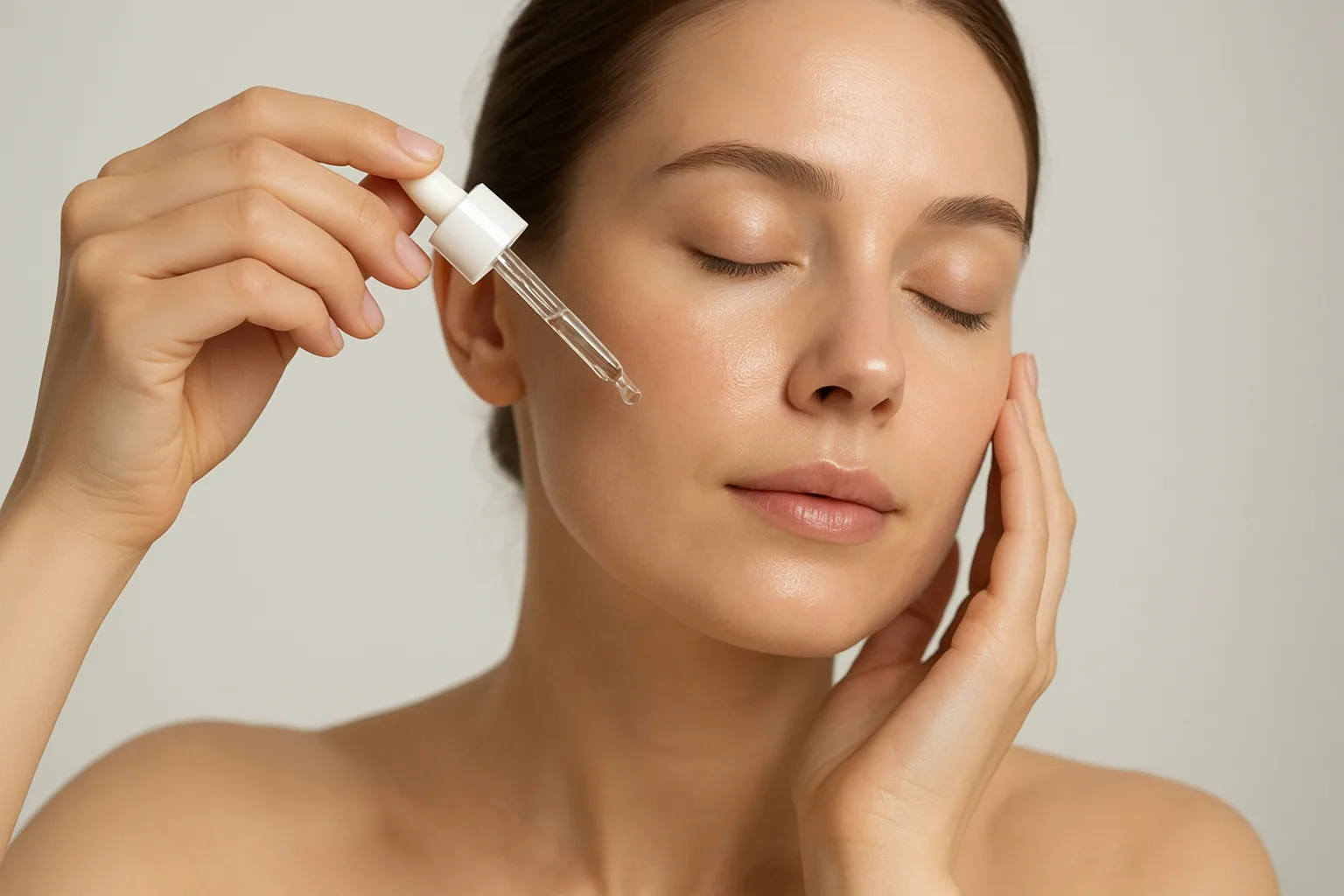
Peptides Skincare: The Power Actives
Skincare routines have exploded with powerhouses like retinols and acids. They deliver results, yet they often come with a price: redness, dryness, and sensitivity that lingers for days. Most people crave that glow without the fallout.
Peptides are the quiet revolutionaries of the ingredient world. These amino acid chains act like messengers, signaling skin cells to ramp up their own repair work. They instruct fibroblasts to churn out collagen and elastin while boosting hyaluronic acid production. The outcome shows up as firmer skin, plumper hydration, and smoother texture over time.
Research suggests peptides mimic the body's natural signaling molecules. This targeted approach builds strength from within. Dermatologists agree they suit sensitive skin beautifully because there are no purging phases or harsh shedding—just steady progress.
Imagine fine lines softening as collagen networks rebuild and skin bouncing back with renewed elasticity. Even dull complexions revive with better moisture retention. Peptides work across the board, tackling aging signs in mature skin while fortifying the barrier function for younger complexions battling urban stress. Dryness fades and uneven tone evens out through sheer versatility.
As skincare leans into gentle potency, peptides lead the charge. Modern trends favor repair over aggression, prioritizing long-term resilience. These multi-tasking actives play well with almost everything else in a routine. You can stack them with antioxidants or layer them under moisturizers to enhance your results without overwhelming the skin.
The beauty lies in their subtlety. Results build gradually, and consistency unlocks the transformation. Over weeks and months, the skin begins to feel more resilient and alive. Peptides elevate basics into brilliance by turning everyday care into a cellular conversation.
What Are Peptides in Skincare?
Peptides form the backbone of advanced skincare. These are short chains of amino acids, typically two to fifty linked together. These tiny structures serve as signaling molecules that provide instructions to skin cells, prompting action without overwhelming the biological system.
In the body, peptides play essential roles. Amino acids build every protein the skin relies on, from collagen that keeps things plump to elastin that maintains bounce. Peptides act as messengers that travel between cells, cueing up repair processes after damage from sun or stress. Your skin produces them constantly to stay resilient.
Topical peptides borrow from this blueprint. Formulated into serums and creams, they mimic those internal signals. When applied directly, they tell fibroblasts—the cells responsible for collagen—to get to work. Consequently, fine lines soften and the skin repairs faster.
Proteins differ from peptides in one key way: size. Collagen or hyaluronic acid molecules are massive, often thousands of amino acids long. They usually sit on the skin's surface, offering temporary hydration. Peptides shine because they are small enough to slip past the outer barrier. Studies show peptides under 500 daltons penetrate effectively, reaching deeper layers where change happens.
The skin's stratum corneum blocks large intruders, but peptides are small enough to deliver messages precisely. This penetration unlocks repair without irritation. Expect variety in peptide types: signal peptides amp up collagen, carrier peptides deliver metals like copper for healing, and neurotransmitter inhibitors relax expression lines.
The Science Behind Peptide Efficacy
Peptides work by mimicking the body's natural communication signals. These short chains of amino acids diffuse through the lipid-rich stratum corneum. Once inside, they reach the dermis and bind to receptors on fibroblasts. These cells then churn out the extracellular matrix (ECM), which includes collagen for firmness, elastin for bounce, and hyaluronic acid for volume.
Clinical studies show peptides smooth fine lines and wrinkles after consistent use over 8 to 12 weeks. Skin elasticity improves noticeably, and hydration levels rise as peptides signal better moisture retention in the ECM. These gains hold up across diverse skin types, from dry to oily, rewarding patience with lasting resilience.
Stability remains a primary challenge for these ingredients. Enzymes in formulations or on the skin can break them down quickly, and heat or pH swings can slash their potency. Smart delivery systems now counter this. Encapsulation wraps peptides in protective liposomes or nanoparticles to preserve integrity during storage. These shields also enhance penetration, releasing actives precisely where needed. Time-release technology further extends benefits by mimicking sustained signaling. For more on the skin barrier and ECM basics, explore our guide at /blog/understanding-skin-health.
Key Types of Peptides and Their Benefits
Peptides come in several varieties, each targeting specific concerns:
- Signal Peptides: Ingredients like Matrixyl act as cellular messengers. They tell fibroblasts to ramp up collagen and elastin production. Research suggests these smooth fine lines and improve firmness in as little as four to eight weeks.
- Carrier Peptides: Copper peptides transport essential minerals deep into the skin to fuel enzymes for collagen synthesis and wound healing. They offer antioxidant protection while promoting tissue repair, making them ideal for mature or damaged complexions.
- Neurotransmitter Inhibitors: Argireline mimics the effects of certain clinical treatments in a topical form. It blocks signals that make facial muscles contract, relaxing expression lines around the eyes and forehead. Research highlights their ability to reduce wrinkle depth by up to 30 percent with twice-daily application.
- Enzyme Inhibitors: These tackle breakdown at the source by blocking the enzymes that degrade collagen and elastin. By preserving structural proteins, they maintain elasticity and prevent sagging.
For a quick reference on these and more actives, check the skincare ingredients glossary. Each type shines in formulations tailored to specific needs, whether you are looking for wrinkle reduction, lifting effects, or antioxidant protection.
Peptides vs. Retinoids: Complementary Powerhouses
Retinoids accelerate cell turnover and boost collagen production with impressive speed. Dermatologists agree these vitamin A derivatives remain gold-standard actives for mature skin. However, their strength often causes redness or flaking.
Peptides offer a different approach. They work subtly over time to signal collagen and elastin production without the drama of redness or increased photosensitivity. When you pair them together, the results are amplified. Retinoids handle the heavy demolition of damaged cells, while peptides support the subsequent repair and reinforcement.
Consider a simple routine: apply retinoids at night when their potency thrives in darkness, and use peptides in the morning to hydrate and prime the skin. Alternatively, blend them in the same evening step once tolerance builds; peptides can actually help buffer the irritation often caused by retinoids. For deeper guidance on vitamin A, check our retinol-retinoids-complete-guide.
Incorporating Peptides into Your Routine
Integrating these actives is straightforward because they are highly compatible with other ingredients. After cleansing, apply a peptide serum while the skin is still damp to maximize absorption. Follow with hydrators like hyaluronic acid to lock in moisture.
Peptides tolerate vitamin C and niacinamide well. If you are using multiple products, apply the peptide serum first if it has a watery consistency. When using retinol at night, applying peptides beforehand can help soothe the skin. Morning routines should always end with SPF, as peptides enhance the barrier that sunscreen protects. Check our sunscreen SPF guide for pairings that layer smoothly.
For those starting out, use peptides three times weekly and gradually increase to daily use. Advanced users can layer multiple peptide types morning and night. Seek serums listing matrixyl, copper peptides, or palmitoyl tripeptides for the most impact. To ensure you are using the right concentration for your specific concerns, an AI analysis from the Lumino Skin app can help identify if your barrier needs extra support or if collagen production is your primary goal.
Who Benefits Most from Peptides?
Peptides are especially effective for mature skin. As lines deepen, these messengers signal for increased plumpness. Our guide on /blog/skincare-by-age-decade offers tailored routines for different life stages.
Acne-prone complexions also find relief here. Post-breakout, peptides accelerate repair by soothing inflammation and rebuilding the barrier, which helps scars soften over time. You can find more recovery strategies in /blog/how-to-get-rid-of-acne. Sensitive types thrive on this gentle touch as well, as peptides strengthen the barrier without the reactions triggered by harsher ingredients.
The benefits extend to body care, targeting crepey skin on the neck or thinning skin on the hands. Furthermore, peptides play well with rising trends like regeneration, working alongside stem cell extracts or growth factors to amplify repair. Using Lumino Skin to track your progress can help you see these subtle, long-term changes in skin density and texture.
The Future of Next-Gen Peptides
The next generation of skincare involves bioengineered peptides crafted in labs to target precise signals with laser focus. These powerhouses are designed to penetrate deeper than ever before. Plant-derived options from algae or oats are also rising in popularity, offering sustainable and eco-friendly alternatives for sensitive skin.
Personalization is the ultimate frontier. Algorithms now analyze skin data to optimize peptide chains for individual needs, shifting the industry away from one-size-fits-all products. Multifunctional peptides are also emerging to tackle longevity and barrier support simultaneously. Research suggests these all-stars can extend the skin's youthful phase by boosting collagen while fortifying the moisture shield. Check out our deep dive on skin longevity as the 2026 trend.
Ongoing research into peptide-RNA hybrids is particularly exciting. These fuse peptides with RNA fragments to instruct cells at a genetic level, potentially rewriting repair instructions to drop inflammation and intensify glow.
The Bottom Line
Peptides stand at the heart of skincare's evolution by speaking directly to the skin's biological machinery. They fill the gap between mild daily care and aggressive transformative treatments. Whether you are navigating hormonal shifts, environmental stress, or the natural aging process, peptides adapt to your needs.
By incorporating them now, you provide your skin with the messengers it needs to stay resilient. They are gentle enough for everyday use yet potent enough to maintain long-term vitality. As research continues to advance, these ingredients will only become more effective at helping the skin emerge tougher and more radiant.
Drafted using Lumino AI.
This content is for informational purposes only and is not medical advice.
Learn how we review skincare guidance in our methodology.
Last updated: March 6, 2026
Written by
Lumino AI