Squalane Skincare: The Universal Hydrator
It is worth being honest: there are ingredients that promise the moon and then there are ingredients that just quietly get the job done. Squalane is the latter. It has slipped into the world of skincare without much fanfare, yet dermatologists agree it’s one of the most universally effective hydrators you can use. Unlike retinol or vitamin C, squalane doesn’t demand a tolerance-building phase. It doesn’t sting. It doesn’t peel. It simply works.
Here’s what makes it special. Squalane is a lightweight oil that mimics your skin’s own natural sebum. That means your skin recognizes it immediately. It sinks in fast without that greasy, slick feeling. For oily skin types, that’s a big deal. Dry skin gets deep lasting moisture. Sensitive skin gets calm. Combination skin gets balance. It’s rare to find an ingredient that plays nice with everyone.
Squalane does more than just hydrate. It strengthens the skin barrier. A healthy barrier holds moisture in and keeps irritants out. When that barrier is compromised, everything stings. Everything feels tight. Squalane helps patch those cracks. It also has a soothing effect. Redness, flakiness, that tight feeling after washing your face — squalane can soften all of it. And because it’s non-comedogenic, it won’t clog pores. That’s a win for anyone prone to breakouts.
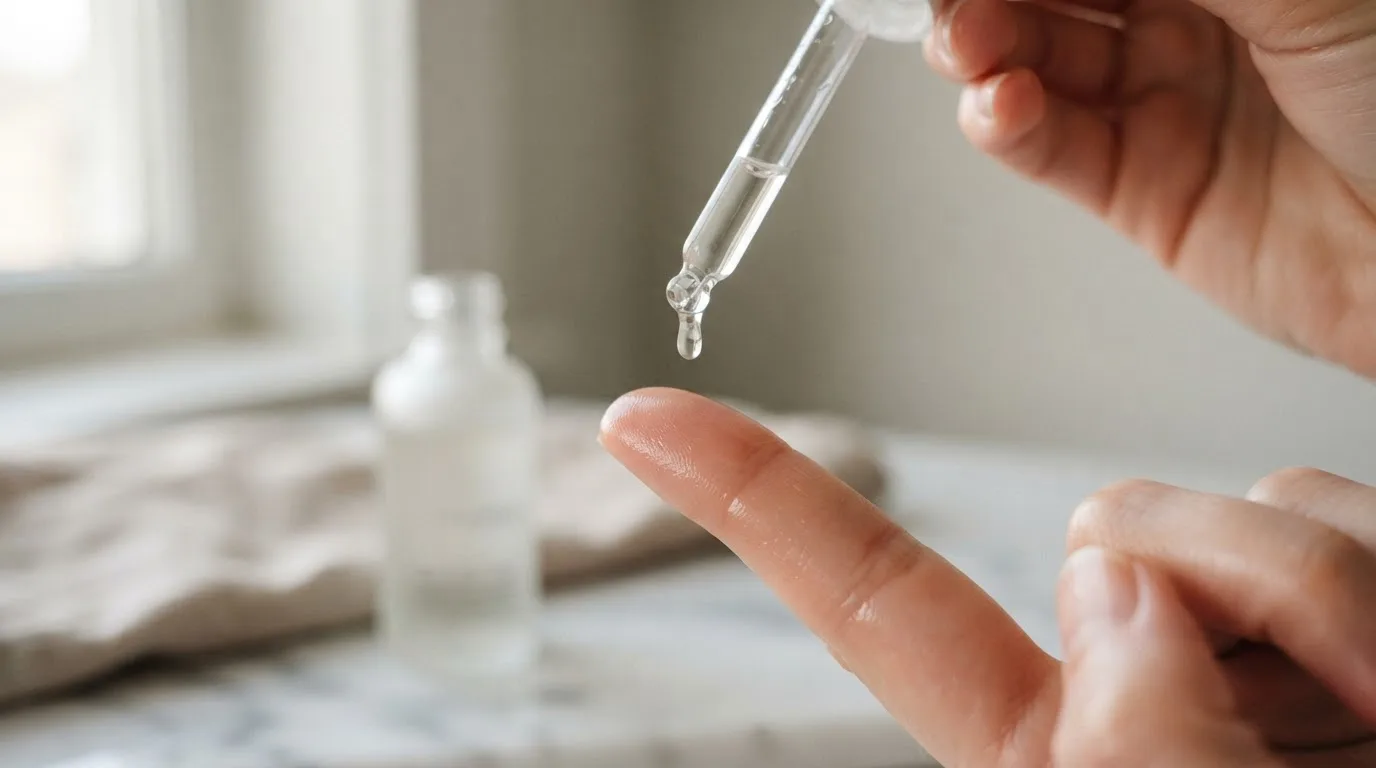
The beauty of squalane is its simplicity. You don’t need a complicated routine to benefit from it. A few drops patted onto damp skin is enough. It layers well under moisturizer or sunscreen. It plays nicely with other actives. It doesn’t oxidize or go rancid quickly. Just stable, reliable hydration.
So how does a molecule that feels like your own skin’s oil come from nature? That is where the story gets interesting.
What Is Squalane and Where Does It Come From?
To understand squalane, one first needs to answer a basic question: what exactly is it?
It’s a saturated hydrocarbon. That sounds technical, but think of it as a molecule that’s almost identical to the oil your skin naturally produces. Your sebum contains a compound called squalene. Squalane is its hydrogenated, more stable cousin. The difference matters because squalene oxidizes quickly when exposed to air or sunlight. Squalane doesn’t. That stability makes it a dream ingredient in skincare.
Now, where does it come from? The history is surprising. For decades, squalane was sourced from shark liver oil. Deep-sea sharks produce large amounts of squalene to maintain buoyancy. Harvesting it meant killing millions of sharks every year. That’s not sustainable. And it’s not ethical.
Thankfully, modern science found a better way. Today, most squalane comes from plant sources. Sugarcane is a popular one. Olives too. Even rice bran and amaranth seeds can be used. The process starts with fermenting the plant material to create squalene. Then hydrogenation turns it into squalane. The result is a pure, stable, vegan-friendly ingredient that your skin recognizes as familiar.
Consider that. Your skin sees squalane and says, “Oh, I know you.” It absorbs easily. It doesn’t clog pores. It mimics your natural sebum without feeling greasy. That’s why it works for nearly every skin type. Dry skin loves the moisture. Oily skin appreciates the balance. Sensitive skin tolerates it well.
So squalane is a plant-derived, stable, skin-identical molecule. But you might have noticed this piece keeps using two similar words: squalane and squalene. Are they the same? Not quite. This leads to the distinction between squalane and squalene, which is crucial for your routine.
Squalane vs Squalene: What's the Difference?
The difference between squalene and squalane is simple but important. They sound almost identical, and that’s because they are chemical cousins. But the difference between them matters a lot for your skincare routine.
Squalene (with an “e”) is a lipid your skin naturally produces. It’s a key component of your skin’s sebum, helping keep the barrier soft and supple. In your twenties, your skin makes plenty of it. But squalene has a problem: it’s an unsaturated molecule. That means it’s chemically unstable. The moment it’s exposed to oxygen or UV light, it starts to oxidize and break down. That’s why pure squalene has a short shelf life. On your skin, oxidized squalene can actually contribute to irritation and clogged pores. Not ideal.
Enter squalane (with an “a”). Chemists took squalene and added hydrogen atoms to it. This hydrogenation process transforms the molecule into a saturated, perfectly stable version. Squalane doesn’t oxidize easily. It lasts much longer on the shelf and stays effective on your skin. It still feels lightweight and absorbs quickly, just like its unstable cousin. But it’s far more reliable.
Here’s the kicker: your body’s natural production of squalene declines with age. By your thirties and forties, levels drop significantly. Your skin barrier loses a key building block. That’s where topical squalane comes in. Because squalane is chemically identical to squalene after hydrogenation, your skin recognizes it instantly. It slots right into the barrier, replenishing what time takes away. No fuss, no confusion.
Using squalane is like giving your skin a familiar, steady friend. It mimics your natural sebum without the instability. And because it’s plant-derived (often from olives or sugarcane), it’s sustainable and gentle for all skin types.
So when you see “squalane” on a product label, know that you’re getting the stable, long-lasting version. It’s the smarter choice for daily hydration. This understanding paves the way for exploring how squalane benefits the skin barrier.
How Squalane Benefits the Skin Barrier
Your skin’s natural sebum is a complex blend of oils and waxes that forms a protective shield. Squalane is a purified, stabilized version of squalene, a key component of that sebum. This is why your skin recognizes it so readily. It doesn’t fight your skin’s natural chemistry. It works with it.
When you apply squalane, it sinks in almost immediately. There is no heavy residue, no sticky film. It delivers a surge of lightweight hydration deep into the skin. And because it mimics your own oils, it sends a signal to your sebaceous glands. They can relax. They don’t have to overproduce oil to compensate for a stripped or dehydrated barrier.
This is where the magic happens for your skin barrier. A healthy barrier is like a perfect brick wall. The skin cells are the bricks, and the lipids are the mortar. Squalane acts as an essential part of that mortar. It fills in the microscopic cracks. This dramatically reduces transepidermal water loss. Essentially, your skin stops letting precious moisture escape into the air. A well hydrated barrier is a strong barrier. It keeps irritants out while keeping hydration in. If your barrier is compromised, everything stings. Redness and sensitivity take over. Squalane helps soothe that irritation. It calms the skin. It provides a protective cushion against environmental stressors like pollution and harsh weather.
Will it break you out? The answer is no. Squalane has a comedogenic rating of zero. It is non comedogenic. It hydrates without clogging pores. This makes it a rare gem in the world of facial oils. It offers the antioxidant protection of an oil without the pore clogging risk.
A resilient barrier retains moisture better. It defends against external aggressors with ease. Your complexion looks calmer, plumper, and more even. This universal appeal leads to the next point: squalane works for every skin type.
Squalane for Every Skin Type
Many people with oily skin avoid oils, but squalane flips that logic on its head. It is incredibly lightweight. It absorbs in seconds. It leaves zero greasy residue. And it is non-comedogenic, meaning it won’t clog pores. Squalane actually helps signal your skin to balance its own oil production. When your skin feels stripped, it panics and overproduces oil. Squalane gives it the signal that enough moisture is already there. The panic stops. The oil production calms down. If you are unsure about your skin’s tendencies, Lumino’s skin type guide can help you decode your complexion.
For dry skin, the story is different but just as good. Dry skin lacks lipids. The barrier is compromised. Moisture escapes easily. Squalane is chemically very similar to your skin’s natural sebum. It replenishes those missing lipids on a molecular level. This is deep hydration that stays. It doesn’t just sit on top. It sinks in and restores the barrier from within. Fine flakes soften. Tightness fades. Your skin finally feels comfortable.
Sensitive skin deserves special care. Harsh ingredients cause stinging. Some oils trigger breakouts or redness. Squalane is different. It is naturally soothing. It is non-irritating. It does not cause purging. There is no adjustment period. Your skin simply feels calmer. Redness subsides. The barrier strengthens. This makes squalane a safe bet for even the most reactive complexions.
Combination skin benefits from squalane’s adaptability. Oily zones get lightweight balance. Dry zones get the hydration they crave. One product works across your whole face. No need for multiple moisturizers.
Aging skin sees squalane as a plumping agent. It restores bounce. It softens the look of fine lines. Hydration fills in those tiny creases. The result is a smoother, more youthful appearance without any heavy creams.
Squalane does not judge. It does not discriminate. It meets your skin where it is. That adaptability makes it easy to add anywhere in your routine. The following section details how to use it effectively.
How to Use Squalane in Your Skincare Routine
Understanding where squalane fits in your routine is key to maximizing its benefits. Order matters, and squalane has a very specific sweet spot. Consider your skincare layering like a sandwich. You want your water based products first. Serums, essences, toners. Those sink into damp skin and deliver active ingredients. Then comes squalane. It’s an oil, so it seals everything in. Apply it after your water based serums and before your moisturizer. Or mix a few drops straight into your moisturizer. Both work beautifully.
Morning or evening? Both. Squalane is lightweight enough for daytime and nourishing enough for night. In the morning, it sits perfectly under makeup and sunscreen. It won’t pill. It won’t slide around. It just sinks in and leaves a smooth, bouncy canvas. Under sunscreen? Absolutely. In fact, using squalane before SPF can help your sunscreen spread more evenly. At night, use it as the final step before any heavier creams or sleeping masks.
How much? Two to three drops. That’s it. A little goes a long way. Warm the drops between your palms first. Then press gently into your skin. Do not rub. Pressing helps the squalane absorb without disturbing the layers underneath. It also prevents that greasy sliding feeling. Your skin should feel soft and hydrated, not slick.
Now the common questions. Can squalane replace your moisturizer? No. And here’s why. Squalane is an emollient and an occlusive. It softens and seals. But it does not provide the complex blend of humectants, ceramides, and lipids that a well formulated moisturizer does. View squalane as the supportive friend. It enhances your moisturizer. It does not replace it. Layer them together for the best results. Can you mix squalane with other products? Yes. Mix it into your serum. Stir it into your moisturizer. Combine it with your foundation for a dewier finish. It plays well with everything. That’s the beauty of a single molecule. It doesn’t compete. It cooperates.
And if you’re wondering about sunscreen specifically, squalane is a dream partner. It helps your SPF glide on without that chalky drag. It keeps your skin hydrated underneath, which means less pilling and more even coverage.
This is where squalane shines. It fits. It adapts. It makes everything else work better. This adaptability becomes even clearer when comparing squalane to other hydrating ingredients.
Squalane vs Other Hydrating Ingredients
Comparing squalane to other hydrating ingredients highlights its unique role. You’ve got hyaluronic acid, glycerin, ceramides, and a shelf of fancy oils like jojoba, argan, and marula. Each one does something brilliant. But squalane plays a different game entirely.
Hyaluronic acid is a water magnet. It pulls moisture from the air and deeper layers of skin into the surface. That’s powerful. But if you’re in a dry climate or your skin barrier is compromised, HA can actually dehydrate you by pulling water up and letting it evaporate. Squalane doesn’t pull water. It mimics your skin’s natural sebum, slipping into the lipid barrier and locking everything in. Think of hyaluronic acid as the glass. Squalane is the lid. That’s why layering an HA serum under squalane oil creates a hydrate-plus-seal combination that works in any environment.
Glycerin is a humble workhorse. It’s a humectant like HA, but smaller and gentler. It draws moisture without drama. Squalane and glycerin actually pair beautifully — glycerin hydrates the top layer while squalane reinforces the barrier so that moisture doesn’t escape. Ceramides are different again. They’re structural lipids that fill the gaps between skin cells, like mortar between bricks. Squalane supports ceramides by softening and smoothing the surface, making that barrier even more resilient.
Now for the oils. Jojoba is technically a wax ester, very close to human sebum. It’s great for balancing oily skin, but it can feel heavy. Argan oil is rich in vitamin E and fatty acids, wonderful for dry skin, yet it can clog pores for some. Marula oil is lightweight and antioxidant-packed, but it oxidizes quickly. Squalane wins on three fronts: it’s weightless, it’s non-comedogenic for nearly everyone, and it’s stable. It doesn’t go rancid. It doesn’t sit on top. It absorbs like your skin already knows it.
When should you choose squalane over these alternatives? If you have oily or acne-prone skin and want hydration without breakouts. If you live in a dry climate where humectants backfire. If you want an oil that layers cleanly under sunscreen or makeup. And if you’re building a routine with antioxidants — squalane is a perfect carrier because it enhances absorption without dilution.
The real magic? They don’t compete. They complement. Squalane is the universal translator for your skincare routine, making everything else work better together. This naturally raises the question of who should use squalane and when to start.
Who Should Use Squalane and When to Start
The short answer is everyone. Squalane is the rare skincare ingredient that works for absolutely every skin type, every age, and every concern. It doesn’t care if you’re 22 with oily skin or 55 dealing with dryness and fine lines. It doesn’t judge. It just hydrates.
Because squalane is a molecule your skin already produces naturally, there’s zero adjustment period. No purging. No irritation. No waiting for your skin to “get used to it.” You can start today and see results tomorrow. That makes it ideal for anyone who has ever been burned by an active that promised the world but left them red, flaky, and regretful.
If you have a compromised skin barrier, squalane is your best friend. Think of it as a gentle rain that soothes the cracks and calms the inflammation. It’s also a favorite for post-procedure recovery. After a chemical peel, laser treatment, or microneedling, your skin needs simple, reliable support. Squalane delivers that without stinging or complicating the healing process.
For those using retinoids, squalane acts as a buffer. Apply it before your retinol to create a cushion that reduces irritation while still allowing the active to work. This simple trick can make the difference between glowing results and a painful purge. If you’re trying a skin cycling routine, squalane fits perfectly into your recovery nights. It’s the quiet teammate that lets your actives shine.
Pregnancy brings a long list of ingredients to avoid. Squalane is not one of them. It’s considered completely safe for expecting mothers, offering deep hydration without any known risks. For anyone navigating the confusing world of pregnancy skincare, squalane is a steady, trustworthy choice.
The best part? Squalane causes no photosensitivity. You can wear it morning and night without worrying about sun sensitivity. It simply hydrates and supports your skin’s natural functions. No drama. No fuss.
Whether you’re a minimalist looking for one product that actually works or a routine enthusiast wanting to calm things down, squalane fits. It’s the universal hydrator that meets your skin exactly where it is.
In conclusion, here is a summary of why squalane deserves a place in your routine.
Conclusion
To put it simply, squalane is rare in the skincare world because it actually does what it promises without any theatrics. No complex routines. No waiting weeks for your skin to “adjust.” Just honest hydration that works from the first drop. Experts agree that squalane is one of the few ingredients that genuinely suits every skin type. It mimics your skin’s natural oils, so it sinks in fast and never feels heavy.
Here’s what matters most: consistency beats quantity every time. You don’t need a full dropper. You don’t need to layer it with ten other products. A few drops pressed into damp skin each morning and night is enough to keep your barrier strong and comfortable. That daily habit is what transforms a good routine into a great one. Squalane isn’t a miracle cure. It won’t erase wrinkles overnight or shrink pores by lunch. But it does something more valuable — it creates a foundation. A healthy barrier means every other product you use can do its job better. Your retinol absorbs more evenly. Your moisturizer locks in longer. Your skin stays calm through weather changes, stress, and late nights.
Think of squalane as the reliable friend who shows up every single day. No drama. No side effects. Just steady support that makes everything else work. Research suggests that maintaining a strong moisture barrier is the single most important factor in long-term skin health. That’s what squalane delivers without any fuss. It’s not the flashiest ingredient on the shelf. But it’s the one your skin will thank you for using year after year.
So stop chasing the next big thing. Start with what works. A few drops of squalane, used daily, will give you hydrated, protected, resilient skin. Everything else is just extra.
Editorially reviewed by the lumino.skin content team.
This content is for informational purposes only and is not medical advice.
Learn how we review skincare guidance in our methodology.
Last updated: November 8, 2026