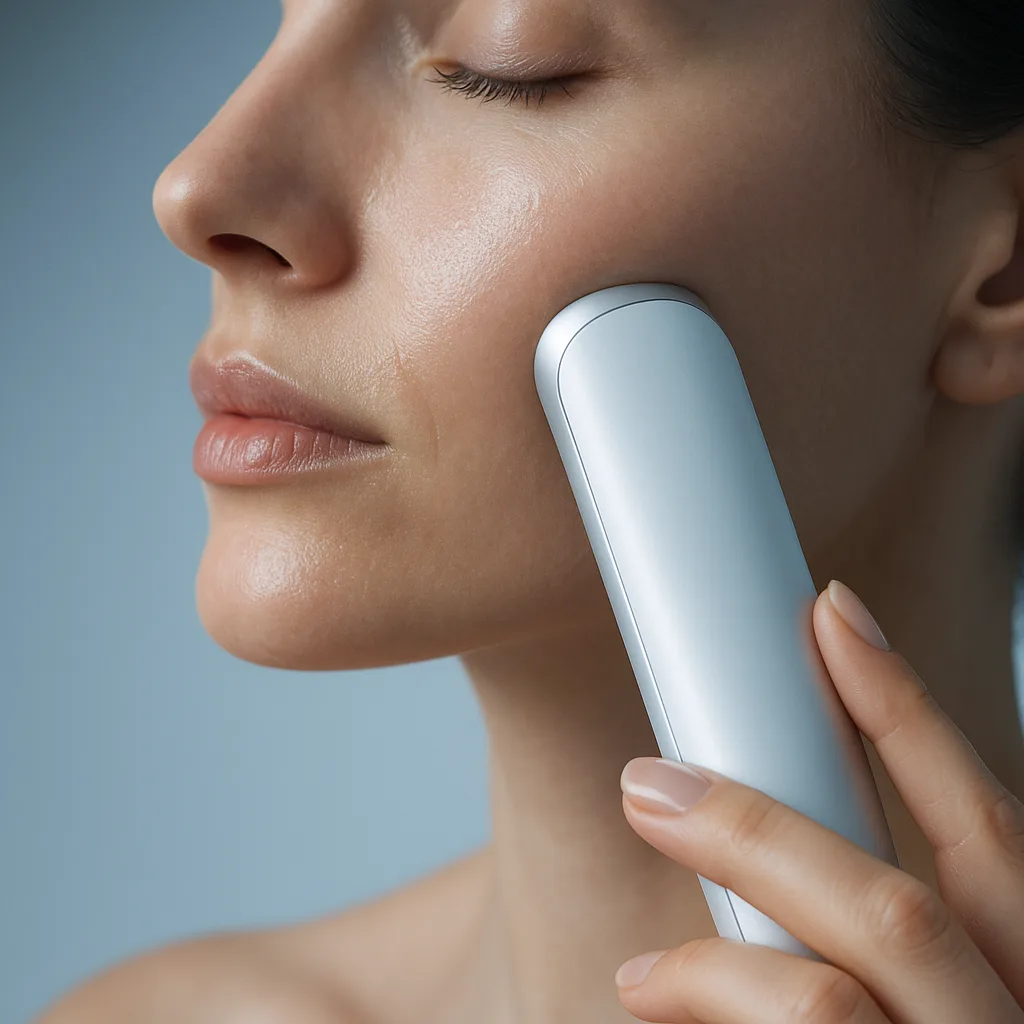
Ultrasound Skincare: The Home Tech Trend
Imagine standing at your bathroom sink, fresh out of the shower, with a sleek device humming softly in your hand. Sound waves pulse gently, pushing your favorite serum straight into the deeper layers of your skin. No needles and no redness—just a visible glow building day by day. Professional spa treatments used to demand appointments and hefty price tags, but that same power now sits on your counter.
Ultrasound skincare devices have transformed the beauty landscape. Sales have climbed as enthusiasts discovered a painless way to supercharge their routines. These gadgets pair with everyday steps like cleansing and moisturizing by vibrating at precise frequencies to create tiny channels in the skin's surface. Serums slip through effortlessly, reaching spots fingers and basic creams never touch. Research suggests this deeper delivery ramps up hydration from the inside out, while dermatologists agree it sparks collagen production to smooth fine lines over time.
Gone are the days of slathering on product after product in the hope that some sinks in. Ultrasound tech shifts the focus toward cellular-level changes. Skin feels plumper, texture evens out, and that enviable radiance lasts longer between professional facials. Users appreciate the convenience of a five-minute ritual where results stack up week after week.
This trend levels the playing field. High-end clinics offered ultrasound facials for years, promising results through focused energy waves, yet they stayed out of reach for many. Home devices change the equation by offering affordable, pro-level tools without a steep learning curve. Sensitive skin types embrace them for their gentle approach, and the science backs the buzz. Sound waves disrupt the skin barrier just enough to boost absorption—up to 10 times more product penetrates according to early studies—while collagen fibers tighten and pores appear smaller.
What Is Ultrasound Skincare?
Ultrasound skincare brings high-tech sound waves into a daily routine. These devices harness vibrations beyond what human ears can detect to push active ingredients deeper into the skin than creams alone ever could. This allows serums and treatments to work on a cellular level from the comfort of home.
The technology generates sound waves at frequencies above 20,000 Hz. In beauty, cosmetic versions focus on benefits like improved hydration and product absorption. Medical ultrasound, by contrast, serves diagnostics or therapies such as imaging or breaking up kidney stones. Home cosmetic tools stay gentle and surface-level, prioritizing delivery over deep tissue work. Research suggests these waves temporarily open pathways in the skin's barrier, letting nutrients slip through effortlessly.
The process relies on low-frequency ultrasound, often around 1 to 3 MHz for at-home use. These waves create tiny micro-vibrations where skin cells buzz gently. This process, called acoustic streaming or cavitation, forms microscopic channels. When a conductive gel is applied and the device glides over clean skin, the ingredients sink in while the pores stay calm.
Home devices come in several straightforward designs. Handheld wands offer precision for targeted spots, like fine lines around the eyes, while flat probes suit full-face sessions. Some masks even integrate ultrasound panels for hands-free treatment. All typically feature adjustable intensities, allowing beginners to start on low settings and seasoned users to ramp up.
The Science Behind Ultrasound Benefits
Ultrasound technology triggers fascinating biological responses by making active ingredients work smarter. Consider the micro-massage effect known as acoustic streaming. Sound waves agitate fluids around skin cells, pushing serums and creams past the outer layers. Normally, topicals sit on the surface, but with ultrasound, they reach deeper targets.
Cavitation adds another layer of efficacy. Tiny microbubbles form in the skin's fluids, expanding and collapsing rapidly to open temporary channels in cell membranes. Actives like vitamin C slip through easily; one study showed vitamin C penetrating five times deeper with ultrasound. The results include brighter skin and stronger antioxidant protection, helping stubborn dullness fade faster.
The technology also stimulates fibroblasts, which are the skin's factory cells for collagen and elastin. The waves create mild mechanical stress, prompting fibroblasts to respond by ramping up protein synthesis. Over time, skin gains plumpness and resilience as the matrix rebuilds from within.
All this ties directly to skin barrier health. A strong barrier locks in moisture and blocks irritants. Ultrasound enhances lipid production in the stratum corneum and promotes ceramide synthesis. For those looking to maintain this integrity, understanding how to repair your skin barrier is essential. These mechanisms explain why ultrasound is a game-changer: it is gentle yet powerful enough for daily use.
Key Benefits for Your Skin
Deeper hydration is one of the most immediate perks. Because the waves create temporary channels, moisture from serums sinks in fully rather than providing a surface-level glow that fades by noon. Dermatologists agree this level of hydration transforms dry, flaky complexions.
Product absorption takes the routine further. Skincare routines often waste a significant portion of the product as actives evaporate on the surface. Ultrasound propels ingredients like hyaluronic acid or peptides straight into deeper layers. Your vitamin C brightens more and your retinols smooth faster because every drop performs at its peak potential.
Fine lines also start to soften. By stimulating collagen production gently, the skin firms up from within over several weeks. Crow's feet blur and forehead creases relax, creating a non-invasive lifting effect. Many users notice a lifted, youthful bounce after consistent sessions.
These perks shine brightest for everyday concerns like dullness or uneven texture. As circulation improves, dead cells slough away easier and rough patches smooth out. For those new to these concepts, understanding skin health provides the necessary foundation. Tracking progress with AI tools, such as the Lumino Skin app, can elevate the experience by analyzing before-and-after photos to spot subtle shifts in hydration or wrinkle depth.
How to Use At-Home Ultrasound Devices
At-home ultrasound devices make professional results accessible. Getting started is straightforward if you follow a few steps for safe, effective sessions.
Begin with clean skin by double cleansing to remove makeup or sunscreen. Pat dry gently and skip toners or exfoliants that might cause irritation. Next, select a water-based serum. Hyaluronic acid or vitamin C pair perfectly with ultrasound, but you should avoid thick creams or oils as they can block the waves. Spread a dime-sized amount across the forehead, cheeks, and jawline to act as a conductor.
Power on the device and start on a low setting. Hold it at a 90-degree angle and glide slowly in upward strokes, covering one section at a time for about 1-2 minutes per area. Total sessions should last between 5 and 10 minutes. Finish by sealing everything in with a lightweight moisturizer and applying sunscreen if treating during the day. Aim for 3-5 sessions weekly, allowing the skin time to recover between treatments. Beginners can easily slot this into a skincare routine for beginners.
Integrating Ultrasound into Your Routine
Slotting ultrasound into a daily lineup is seamless once you find the rhythm. Using it during an evening routine right after cleansing is often best, as freshly washed skin absorbs actives well and the ultrasound helps push them deeper while you sleep. In the morning, it can be used post-serum to prep the skin for the day.
Pair the device with ingredients that benefit from a boost. Hyaluronic acid draws in moisture, and ultrasound scatters its molecules for better penetration. Peptides also work wonders by signaling the skin to firm up. You can learn more about these in our peptides skincare guide.
When layering, apply a watery serum first, glide the device in slow circles for a few minutes, and then follow with a moisturizer. Be cautious with strong actives; for example, if using retinol at night, let it sink in for 20 minutes before using the ultrasound device to prevent irritation. If redness occurs, simply dial back the frequency.
Ultrasound vs. Professional Treatments
While home devices are excellent for maintenance, professional clinic facials offer higher intensity. Clinic treatments use higher frequencies and power levels to penetrate deeper layers, making them ideal for dramatic results. Home units are dialed back for safety, focusing on surface-level hydration and steady, cumulative improvements.
Cost and convenience are the major differentiators. A single clinic facial can cost hundreds of dollars, whereas a home device is a one-time investment. Home use eliminates the need for appointments and travel, allowing for consistency which is key to long-term results. Many people choose to use professional facials every few months as a "reset" while using home ultrasound to maintain the glow in between.
However, it is important to know your limits. Seek professional input for conditions like eczema, severe acne, or rosacea, as ultrasound can sometimes irritate sensitive barriers.
Safety Tips and Who Should Avoid It
Safety is paramount. Stick to FDA-cleared devices to ensure they have undergone rigorous testing. Certain conditions require you to skip ultrasound entirely. For instance, if active acne flares up, vibrations can spread bacteria. Those with rosacea should also be careful, as flushed skin may react poorly to the added energy. For more on this, see our rosacea complete guide.
Pacemaker users and pregnant individuals should avoid ultrasound devices. It is also wise to perform a patch test behind the ear or on the inner arm before full-face use. Always start on the lowest intensity and keep the device away from the eyes. Cleaning the probe after each use with alcohol ensures the tool remains a reliable ally in your routine.
The Future of Ultrasound Skincare Tech
Looking ahead, ultrasound devices are becoming even more integrated with digital health. Future tools will likely connect to apps to log skin responses and adjust frequencies in real time based on your hydration levels. AI integration may allow devices to scan the face and detect inflammation before a session even begins, automatically dialing in the precise intensity needed.
This technology is also expected to pair with regenerative ingredients like stem cell serums and exosomes. By opening pathways, ultrasound helps these biologics repair the skin from within. This synergy is part of a larger skin longevity trend that focuses on extending youthful vitality. Eventually, we may even see wearable tech that provides subtle ultrasound boosts throughout the day to battle urban pollution.
The Bottom Line
Ultrasound skincare is a significant advancement for home care. It allows serums to sink deeper and helps active ingredients reach the layers where they matter most. It fits into a busy lifestyle without a steep learning curve, requiring only a few minutes a week to see a jump in efficacy.
As devices become smarter and more portable, the barrier to professional-grade results continues to drop. By pairing this tech with proven practices—like staying hydrated and prioritizing sleep—you can amplify your skin's natural resilience. Lumino Skin can help you track these changes over time, providing personalized insights into how your skin is responding. Consistency is the ultimate key to unlocking the magic of this technology.
Drafted using Lumino AI.
This content is for informational purposes only and is not medical advice.
Learn how we review skincare guidance in our methodology.
Last updated: March 14, 2026
Written by
Lumino AI