LED Skincare: The Light Therapy Boom
Light has always held a quiet power in dermatology. Sunlight fuels vitamin D production and mood boosts, yet specific wavelengths go much further. Dermatologists have harnessed targeted colors of light for decades to heal wounds, fade scars, and treat stubborn conditions like psoriasis. Traditionally, these treatments occurred only in clinics with bulky machines and scheduled appointments. While the results were impressive—brighter skin and smoother texture—access remained limited for most people.
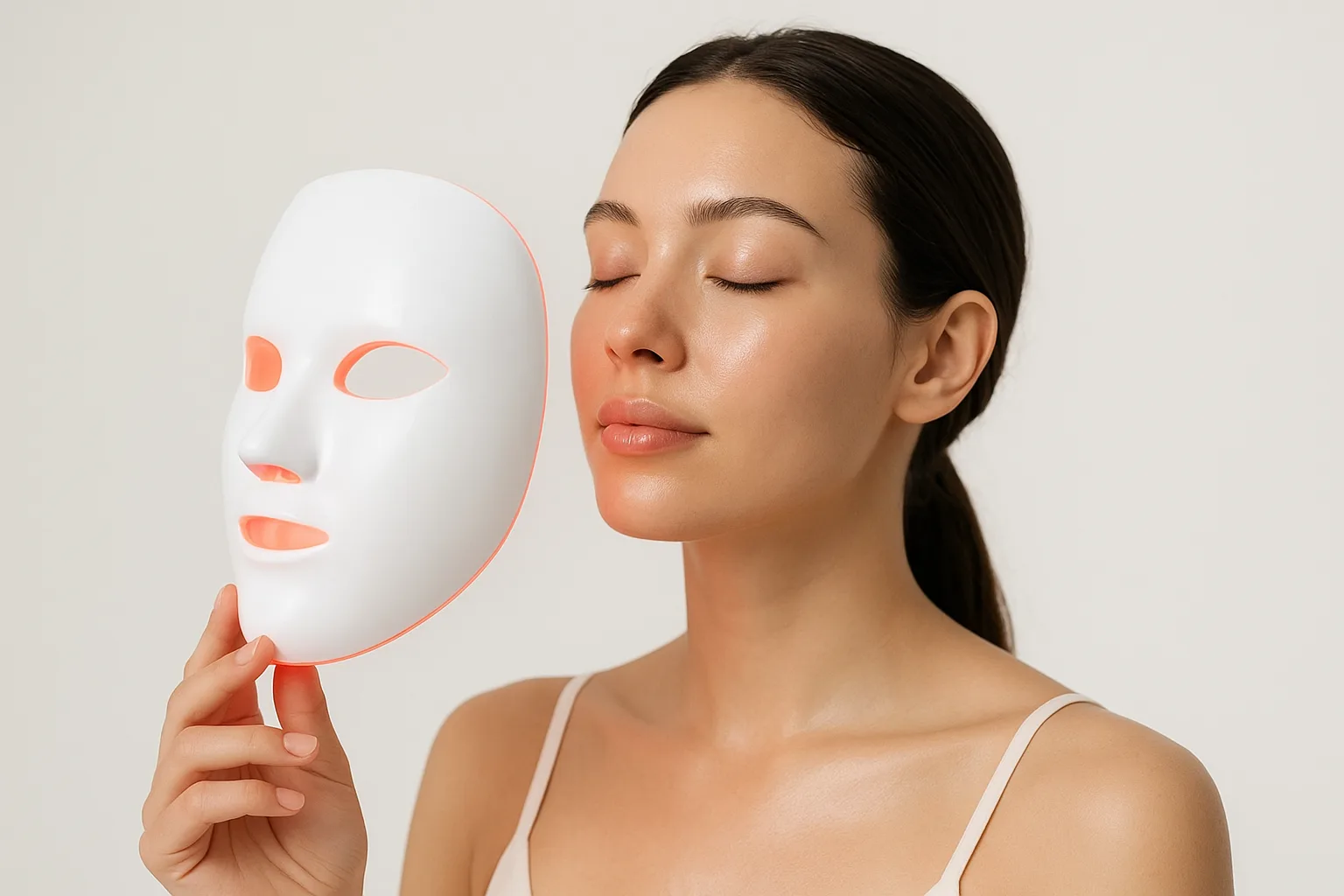
Recent shifts have brought clinical-grade power directly to the nightstand. Sleek, handheld devices and flexible masks now allow users to pulse precise wavelengths through the skin's layers without a waiting room. Red light dives deep to stimulate collagen, blue light targets acne-causing bacteria, and yellow soothes redness. Each color addresses a unique concern with zero downtime, leaving the skin feeling calm and radiant.
Research suggests these lights trigger real cellular changes. Fibroblasts ramp up collagen and elastin production while inflammation drops as cytokines calm down. Pores can clear without harsh scrubs, leading many experts to agree that the technology rivals professional facials in its cumulative effect. The primary advantage is gentleness; sensitive skin often thrives under LED therapy because there is no peeling or redness—just steady progress over several weeks.
This movement feels timely as skincare routines become increasingly overwhelming. Layering too many active ingredients often leads to irritation rather than miracles. LED steps in as a non-invasive upgrade. By using a mask for ten minutes, users can target the root causes of skin issues rather than just surface fixes. As devices become slimmer and more affordable, light therapy is transitioning from a luxury spa add-on to a staple in the modern vanity drawer.
What Is LED Skincare?
LED skincare taps into the power of light to activate the skin at a cellular level. At its core lies photobiomodulation, a process where specific wavelengths of light penetrate the tissue and stimulate mitochondria, the powerhouses inside cells. This boosts ATP production—the energy currency cells use to repair damage, reduce inflammation, and promote collagen synthesis. These gentle light pulses accelerate natural healing without the use of heat or abrasive chemicals.
LED stands apart from lasers and UV treatments in several key ways. Lasers deliver coherent, high-intensity beams that can cut or ablate tissue, often requiring professional oversight and recovery time. UV light triggers photoaging and health risks. In contrast, LED therapy uses non-coherent, low-level light diodes. These emit diffuse beams at safe intensities, making them ideal for home use. There is no recovery period, only consistent, cumulative benefits.
The popularity of these devices has grown as they have become more user-friendly. Clinical backing continues to strengthen, with studies showing marked improvements in wrinkles, redness, and texture after regular sessions. This shift toward non-invasive routines reflects a broader desire for visible changes without the need for needles or surgery.
Devices now come in forms tailored to various lifestyles. Flexible masks hug the face like a second skin, delivering full-coverage treatments in 10 to 20 minutes. Handheld wands target spots precisely, which is ideal for addressing specific breakouts or fine lines around the eyes. Panels offer higher power for larger body areas beyond the face. For deeper context on foundational needs, understanding the biology of your skin is the first step toward choosing the right light.
The Science of Light Colors
Light therapy is effective because each color targets specific skin needs through precise wavelengths. Red light leads the pack at approximately 630 to 660 nanometers. It penetrates deep enough to reach the dermis, where research suggests it stimulates fibroblasts to produce more collagen and elastin. Over time, this boost mimics the body's natural repair processes, causing fine lines to fade and skin to appear plumper.
Blue light operates at 405 to 420 nanometers. These shorter waves stay closer to the surface, where they zero in on acne-causing bacteria like Propionibacterium acnes. These microbes produce porphyrins that absorb blue light and neutralize the bacteria. Studies show that this results in clearer pores and fewer breakouts, providing relief for those battling blemishes without the need for harsh topicals.
Near-infrared light reaches even deeper, around 800 to 900 nanometers. Invisible to the eye, it reaches muscles and connective tissues. Research indicates it ramps up ATP production for faster healing, which can improve the appearance of scars and quiet rosacea flares. This wavelength excels at overall rejuvenation from within.
Other colors offer niche benefits:
- Green (520–530 nm): Targets pigmentation by balancing melanin production to even out skin tone.
- Yellow (570–590 nm): Soothes redness and boosts lymphatic drainage to calm irritated skin.
These colors can work solo or be layered for synergy. While science backs the technology, the results are most prominent when the wavelengths are matched to specific, everyday concerns.
Addressing Specific Skin Concerns
Everyday skin woes find real relief in LED light therapy. Acne flares up less often, fine lines soften, and irritated barriers are strengthened. These gains come from targeted wavelengths that spark cellular changes studied by dermatologists for years.
For acne, blue LED light neutralizes the bacteria fueling breakouts, while red light dials down the inflammation that often leaves marks behind. Consistent sessions can cut active pimples and speed the healing of post-inflammatory hyperpigmentation. If you are struggling with stubborn spots, you might consider how light therapy fits into a broader strategy, such as those outlined in a comprehensive acne guide.
Anti-aging is another area where this technology excels. Red and near-infrared LEDs stimulate the hardworking cells that pump out collagen. As the skin plumps from within, crow's feet and forehead lines begin to relax. Patients often notice a "glow" first, followed by a visible lift in skin firmness over several weeks.
Damaged barriers also benefit from this treatment. When harsh products or environmental stress strip the protective layer, skin becomes dry and reactive. LED therapy, especially red light, provides cells with the energy to repair and reinforce that shield. This helps hydration lock in better and reduces overall sensitivity. For a full reset, you can explore strategies for repairing the skin barrier to amplify your LED results.
Choosing the Right LED Device
Selecting the right hardware is essential for safety and efficacy. Start by looking for FDA clearance. This certification ensures the device meets safety standards and actually delivers the wavelengths it claims. Unverified devices may use simple colored bulbs that lack the necessary intensity to trigger cellular changes.
Wavelength and power are the two most important technical specs. Ensure the device hits the 630-660nm range for red and approximately 415nm for blue. Power is measured by irradiance (milliwatts per square centimeter). Aim for a range of 30 to 100 mW/cm². Lower levels may require excessively long sessions, while higher levels provide faster results. Quality devices usually include built-in timers to prevent overexposure.
Eye protection is a critical safety feature. LED light can strain the eyes, so seek devices with built-in shields, auto-shutoff sensors, or included goggles. Flexible masks usually wrap close to the face to minimize stray light, but protection should always be worn during a session.
When choosing between masks and panels, consider your lifestyle. Masks are portable and hands-free, making them easy to use while relaxing. Panels, while stationary, often cover the face, neck, and chest simultaneously and typically deliver higher irradiance for those seeking professional-level power at home.
Building LED Into Your Routine
Consistency is the key to seeing results. A standard approach involves using the device three to five times a week. This frequency allows the skin to benefit from increased collagen production and reduced inflammation without becoming overwhelmed. While some prefer daily sessions, it is best to listen to your skin and adjust as needed.
Evening routines are often the best fit for LED therapy. Slot the treatment in after cleansing but before applying heavy creams. Skin absorbs light most effectively when it is clean and slightly damp. If you use a serum, apply it first, then let the light penetrate.
It is important to pair LED wisely with other active ingredients. Avoid using retinoids on the same night as your light therapy, as both can be stimulating. Instead, alternate nights: use retinol one evening and LED the next. Hyaluronic acid and peptides, however, pair beautifully with light therapy and can be used in the same session. For a full breakdown of how to sync your tech with the seasons, a seasonal skincare guide can help match your light settings to the weather.
Personalizing with AI Analysis
Personalizing your treatment through AI analysis can take results to the next level. By using an app like Lumino Skin, you can analyze a selfie to identify the specific concerns that LED handles best—such as redness from rosacea or uneven texture from fine lines.
AI algorithms can detect subtle color variations and surface irregularities that might be missed by the naked eye. This data allows for a more tailored approach: red light for areas with collagen loss and blue light for zones prone to congestion. This level of detail removes the guesswork, ensuring you use the right color for the right problem.
Using Lumino Skin also allows for progress tracking. By uploading photos weekly, you can visually monitor how redness fades or how texture smooths over a month of sessions. This data-driven loop makes it easy to adjust your routine—perhaps amping up blue light if a breakout occurs or extending red light sessions for anti-aging. For more on how these scans work, you can explore the basics of AI skincare and how it integrates with your specific Baumann skin type.
Safety Tips and Common Mistakes
While LED therapy is gentle, smart habits are necessary to keep the process safe. Beyond eye protection and using FDA-cleared devices, cleanliness is vital. Bacteria can accumulate on masks and panels, so wipe them down with a gentle, alcohol-free cleanser after every use.
Preparation is equally important. Always cleanse the skin first and avoid heavy oils or sunscreens before a session, as these can reflect the light and render the treatment ineffective. Additionally, be aware of photosensitizing medications or topicals. Ingredients like AHAs, BHAs, and certain antibiotics can make the skin hyper-reactive to light. It is generally recommended to pause these actives 48 hours before and after a session if you notice any sensitivity.
Avoid the temptation to over-treat. More is not always better; sticking to the recommended 10–20 minute window prevents the skin from becoming stressed. If you have underlying conditions like epilepsy (which can be triggered by flickering lights) or are pregnant, consult a healthcare provider before starting a regimen.
Future Innovations
The next generation of LED technology is moving toward multi-wavelength precision. We are seeing the rise of devices that pulse multiple colors simultaneously, allowing a single session to target wrinkles, acne, and inflammation at once. This "layering" of light is expected to significantly decrease treatment times while increasing efficacy.
Integration is also becoming more seamless. Future tools will likely sync with wearable tech to adjust light intensity based on your daily stress levels or sleep quality. Portable innovations, such as wearable patches that can be worn discreetly or travel-sized masks that fold flat, are making it easier to maintain a habit regardless of location.
These advances are increasingly tied to biotech. LED is being paired with regenerative formulas like stem cell serums and peptide boosters. The light preps the cells to receive these advanced ingredients, creating a synergistic effect that accelerates repair. As noted in recent skin longevity trends, this fusion of light and biology is redefining how we approach aging.
The Bottom Line
LED skincare represents a shift toward routines that respect the body's natural biology while utilizing modern technology. By investing in cellular resilience rather than temporary surface fixes, users can achieve lasting improvements in skin health. While the upfront cost of a high-quality device can be significant, the long-term benefits of increased ATP production and collagen synthesis offer a sustainable path to a clearer, firmer complexion.
As you integrate light therapy into your life, remember that personalization is your greatest tool. Whether you are using Lumino Skin to track your progress or simply observing how your skin reacts to different wavelengths, a data-backed approach ensures that your glow is not just a trend, but a reflection of true skin health.
Drafted using Lumino AI.
This content is for informational purposes only and is not medical advice.
Learn how we review skincare guidance in our methodology.
Last updated: April 1, 2026
Written by
Lumino AI