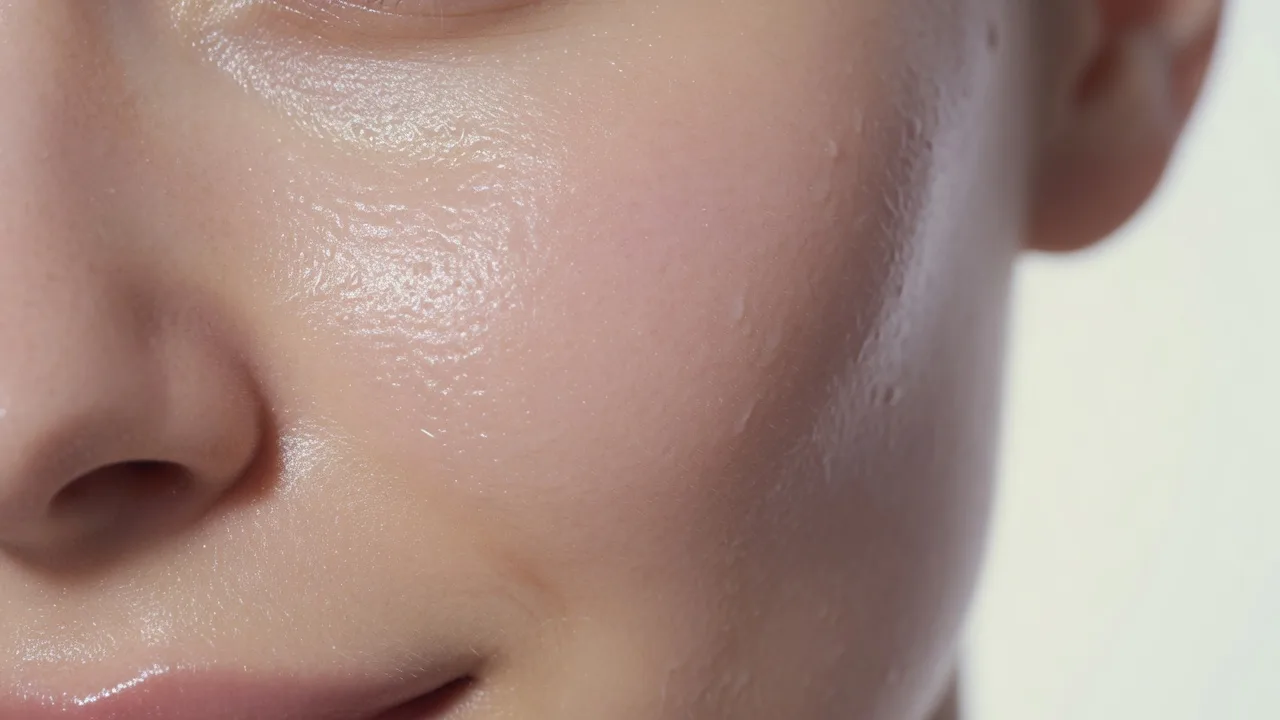
Slugging: The Viral Overnight Skincare Trend Explained
Let's be honest. The idea of coating your face in a thick layer of petroleum jelly right before bed sounds like a recipe for a breakout. It feels heavy. It looks shiny. It probably makes your pillowcase a bit of a mess. For anyone striving for a clear, matte complexion, applying a greasy occlusive seems completely counterintuitive.
But there is a reason this ritual has taken over every social media feed and skincare forum. It is called slugging. While it might seem strange, the logic behind it is actually quite simple. The goal is to create a physical seal over the skin. This prevents transepidermal water loss, which is just a fancy way of saying it stops moisture from evaporating into the air while you sleep.
Dermatologists agree that a healthy skin barrier is the foundation of everything. When that barrier is compromised, skin becomes dry, irritated, and prone to breakouts. Slugging acts like a protective blanket. It locks in your serums and moisturizers so they can actually do their job without interference. Research suggests that this intense occlusion helps the skin repair itself more efficiently overnight.
Of course, this is not a one size fits all approach. Some skin types absolutely love the deep hydration. Others might find it too heavy or risk clogging their pores. The key is knowing how your specific skin reacts to such a heavy seal. It is less about the product itself and more about how it interacts with the layers underneath it.
If you have been seeing the term pop up in your feed and wondered if it is actually worth the greasy pillowcase, you are in the right place. It is time to move past the viral videos and look at the actual science of the trend.
What Exactly Is Slugging?
At its core, slugging is the act of applying a heavy, occlusive moisturizer or ointment as the final step of a nighttime routine. While your favorite daily moisturizer is designed to hydrate, an occlusive does something different. It does not necessarily add moisture to the skin. Instead, it acts like a protective seal.
To understand why this works, you have to understand transepidermal water loss, or TEWL. Throughout the night, moisture naturally evaporates from the skin into the air. This is why skin often feels tight or dry by morning, especially in cold weather or dry climates. When you apply an occlusive layer, you are creating a physical barrier. This seal locks in the serums and moisturizers you applied underneath. It prevents that water from escaping, forcing the hydration back into the skin.
Dermatologists agree that this process helps repair a compromised skin barrier. By stopping TEWL, the skin can focus on healing and regenerating without fighting a constant battle against dehydration. It is essentially a deep conditioning treatment for your face. If you want to learn more about how your barrier functions, check out this guide on understanding skin health.
It is important to note that slugging is not for everyone. While it is a miracle for those with extremely dry skin or eczema, it can be a nightmare for those prone to breakouts. Because the seal is so effective, it can also trap oil and bacteria against the skin. The key is knowing your skin type before you dive in.
Once you know if your skin can handle the glow, you just need to know the right order of operations. Here is how to slug: a step-by-step guide.
How to Slug: A Step-by-Step Guide
The golden rule of slugging is that you must start with a completely clean canvas. You are essentially creating a seal over your skin. If you trap dirt, oil, or leftover makeup underneath that occlusive layer, you are just inviting breakouts to the party. This is why a double cleanse is non negotiable. Start with an oil based cleanser to melt away the day and follow up with a gentle water based cleanser. This ensures your pores are clear and ready to absorb everything that comes next. If you are still figuring out your basic steps, checking out a skincare routine for beginners is a great place to start.
Once the skin is clean, it is time to layer in the hydration. Apply your favorite humectants while the skin is still slightly damp. Think hyaluronic acid or a hydrating toner. These ingredients act like sponges that pull moisture into the skin. Follow this with a nourishing moisturizer to lock that hydration in. This is the core of building a perfect skincare routine. You want your skin to feel plump and hydrated before you move to the final step.
Now comes the main event: the occlusive layer. Take a pea sized amount of a petroleum based product, like Vaseline or Aquaphor, and warm it up between your palms. Gently press it over your entire face. You do not need a thick mask of grease. A thin, sheer layer is enough to create that protective barrier. This seal prevents transepidermal water loss, keeping your moisture locked in while you sleep.
The process looks like this:
- Double cleanse for a pristine base.
- Apply hydrating serums and a moisturizer.
- Seal everything in with a thin layer of an occlusive balm.
It might feel a bit strange at first. Your pillowcase might get a little oily. But when you wake up and wash that layer away, the result is a soft, bouncy glow that feels like a professional facial. This deep hydration does more than just make the skin look pretty. It plays a vital role in the health of your skin barrier.
The Benefits of Slugging for the Skin Barrier
Think of your skin barrier as a protective shield. When it is healthy, it keeps the good stuff in and the bad stuff out. But life happens. Harsh weather, over-exfoliating, or just plain genetics can leave that shield cracked. This is where your skin starts feeling tight. It might get flaky or red. You might notice that products that used to work suddenly sting on contact.
This is the moment where slugging becomes a total game changer. For those with dry or dehydrated skin, slugging acts like a temporary seal. By applying an occlusive layer, you trap moisture within the skin, minimizing transepidermal water loss so your hydration stays put overnight.
The real magic happens with the lipid layer. Your skin relies on a mix of oils and fats to stay supple. When that layer is compromised, the skin cannot recover on its own. Slugging provides the ideal environment for this healing process to take place. It gives the skin a break from the elements and allows it to focus on repair. This is a key part of how to repair your skin barrier.
Most skin experts note that this process can be especially helpful for supporting essential components like ceramides. These lipids act like the mortar between the bricks of your skin cells. When you lock in moisture overnight, you are giving those bricks the support they need to knit back together. The result is skin that feels plump and resilient instead of fragile and thin.
It is a simple concept with a massive payoff. You are basically giving your skin a cozy blanket to sleep under. Once that barrier is restored, your skin can better handle the rest of your routine. The catch is that not all products pair well with this heavy seal. The risks become clear when you combine an occlusive with powerful active ingredients.
The Danger Zone: Actives and Occlusives
Slugging creates a physical seal that keeps moisture in, but it also locks in whatever active ingredients are beneath it. When you apply a heavy occlusive over a powerful active, you are effectively forcing that ingredient deeper into the skin.
This sounds like a win for efficiency, but it is actually a recipe for irritation. Skin professionals warn that mixing slugging with strong actives can easily lead to a compromised skin barrier. If you apply a heavy layer of ointment over a potent retinol or retinoid, you are significantly increasing the potency and penetration of that product. What might be a gentle glow on a normal night can quickly turn into redness, peeling, or a full blown chemical burn.
The same rule applies to chemical exfoliants. AHAs and BHAs are designed to clear out pores and slough off dead skin. When these acids are locked in by an occlusive, they can become far too aggressive for the skin to handle. If you want the benefits of exfoliation without the risk of a reaction, consider switching to PHAs, which are much gentler and less likely to cause chaos under a layer of slugging balm.
To keep your skin happy, follow these simple guidelines:
- Skip the retinoids and strong acids on your slugging nights.
- Use a basic, hydrating serum or a simple moisturizer as your base.
- Stick to soothing ingredients like hyaluronic acid or ceramides.
- Wait for your skin to fully dry before applying the occlusive layer.
The goal of slugging is recovery and hydration. Adding harsh actives to the mix defeats that purpose. It turns a soothing ritual into a gamble with your skin barrier. While some resilient skin types may tolerate it, the risk of inflammation is generally too high. Beyond this mixing concern, certain skin types shouldn't use heavy occlusives at all.
Who Should Avoid Slugging?
While the idea of waking up with a glazed donut glow sounds amazing, slugging can be a total nightmare for certain skin types. If you have oily or acne prone skin, you might want to think twice before layering a thick occlusive over your face.
Here is the deal. Petrolatum works by creating a physical seal on the surface of the skin. For someone with dry skin, that seal is a lifesaver because it keeps moisture from escaping. But for someone with an overactive oil production, that seal becomes a trap. It locks in everything. This includes your serums and moisturizers, but it also traps excess sebum, dead skin cells, and bacteria.
When you trap those impurities against your skin for eight hours, you create the perfect breeding ground for breakouts. Dermatologists have found that this often leads to congestion and clogged pores. If you are already struggling with breakouts, this process can make things worse. It can trigger a cycle of inflammation that makes it harder to get rid of acne.
There is also the risk of fungal acne. Since occlusives create a warm, moist environment, they can accidentally feed the yeast that causes Malassezia folliculitis. If you suspect you have fungal acne, slugging is generally a no go. It can turn a few small bumps into a full blown flare up overnight.
Basically, if your skin is naturally prone to congestion or feels greasy by midday, slugging is likely too heavy for you. You do not want to trade a little dryness for a week of cystic breakouts. The goal of skincare is to support your skin barrier, not suffocate it.
If this describes your skin, there's no need to abandon the search for deep hydration. Several alternatives will lock in moisture without the pore-clogging side effects.
Slugging Alternatives for Different Skin Types
Petrolatum is the gold standard for locking in moisture, but it is not for everyone. For those with oily or acne prone skin, the feeling of a heavy occlusive can be a bit too much. There is a real fear of waking up with a breakout. The good news is that you can still get those barrier benefits without the suffocating feeling of a thick salve.
If a heavy ointment feels like too much, try a rich overnight cream. Look for products that use ceramides or fatty acids. These ingredients mimic the natural lipids in your skin. They help seal the gaps in your moisture barrier without creating a plastic wrap effect on your face. This gives you the hydration you need while letting your skin breathe.
For those who want a deeper level of protection, certain powerhouse ingredients can do the heavy lifting. Research suggests that Beta-Glucan is a fantastic alternative for those who find traditional slugging too greasy. It provides intense hydration and helps the skin recover from irritation. It is a lighter way to achieve that plump, dewy look.
Another great option is Ectoin. This ingredient acts as a protector for the skin barrier. It helps the skin retain water and shields it from environmental stress. It is a smart choice for people with sensitive skin who need a protective layer but cannot handle the heaviness of petroleum jelly.
If you are still unsure, you can try these lighter methods:
- Face Oils: Squalane or rosehip oil provides a breathable seal that is often better for congestion prone skin.
- Overnight Masks: Sleeping masks are designed to be absorbed slowly throughout the night.
- Layering Humectants: Apply a hyaluronic acid serum on damp skin before a medium weight moisturizer to trap water more effectively.
Finding the right balance comes down to your skin's unique needs. Beyond product choice, integrating this technique into a long-term plan requires flexibility.
Integrating Slugging Into Your Long-Term Routine
Slugging is not a one size fits all deal. It is more like a tool in a toolbox that you pull out when your skin is screaming for extra hydration. For some, doing this every night is a dream. For others, it is a recipe for breakouts. The secret is treating slugging as a flexible addition rather than a rigid rule.
A great way to organize this is through skin cycling. Since slugging creates a seal over the skin, it can actually make active ingredients like retinol or exfoliating acids much more potent. That sounds great until you realize it can also increase irritation. Experts often recommend reserving slugging for recovery nights. Use your actives on one night, then follow up with a slugging session the next. This allows the skin barrier to repair itself while locking in moisture. It turns your recovery phase into a deep hydration treatment.
Seasonality also plays a huge role here. Your skin has different needs in July than it does in January. In the humid summer months, a heavy occlusive layer might feel suffocating and lead to congestion. During the winter, however, cold air and indoor heating strip moisture from the skin at an alarming rate. This is when slugging becomes a lifesaver. Checking out a seasonal skincare routine guide can help you decide when to ramp up the occlusives and when to scale them back.
If the idea of a full face of petroleum jelly feels too intense, try spot slugging. Apply the occlusive only to the driest areas like the cheeks or around the mouth. This gives you the benefits of the moisture seal without the risk of clogging pores in your T zone.
The key is to listen to your skin. If it feels tight and flaky, seal it in. If it feels oily and congested, skip the slugging for a few nights. Once you master the timing and the technique, you have a routine that evolves with you. With a flexible plan in place, the final takeaway is simple.
The Bottom Line
At the end of the day, slugging is just another tool in the skincare toolkit. It is a fantastic way to lock in moisture and give a tired skin barrier the support it needs to heal. For some, it is the secret to waking up with that coveted glass skin glow. For others, it might lead to a few unwanted breakouts or a feeling of heaviness that just does not sit right.
The most important thing to remember is that skincare is never one size fits all. What works wonders for a friend with dry skin might not be the right move for someone with an oily or acne prone complexion. While the internet makes it seem like every viral trend is a must have, the reality is that your skin is the only expert that actually matters here.
Most dermatologists emphasize that the goal of any routine should be balance. Slugging is a powerful technique for hydration, but it is not a universal solution. It is about finding the sweet spot where your skin feels nourished without feeling suffocated.
If you are unsure where to start, keep a few simple guidelines in mind:
- Start slow. Try slugging once or twice a week to see how your skin reacts.
- Keep it simple. Avoid using strong actives like retinol or AHAs directly under a heavy occlusive layer.
- Pay attention. If you notice small white bumps or increased congestion, it is a sign to scale back.
The real magic happens when you stop following a rigid script and start listening to your skin's signals. Some nights your skin will crave that deep, occlusive seal. Other nights, a lightweight moisturizer is all you need. By adjusting your technique based on your current skin health, you create a routine that actually works for you. Your skin changes with the seasons, your stress levels, and your age. Your skincare should be just as flexible.
Drafted using Lumino AI.
This content is for informational purposes only and is not medical advice.
Learn how we review skincare guidance in our methodology.
Last updated: July 2, 2026
Written by
Lumino AI