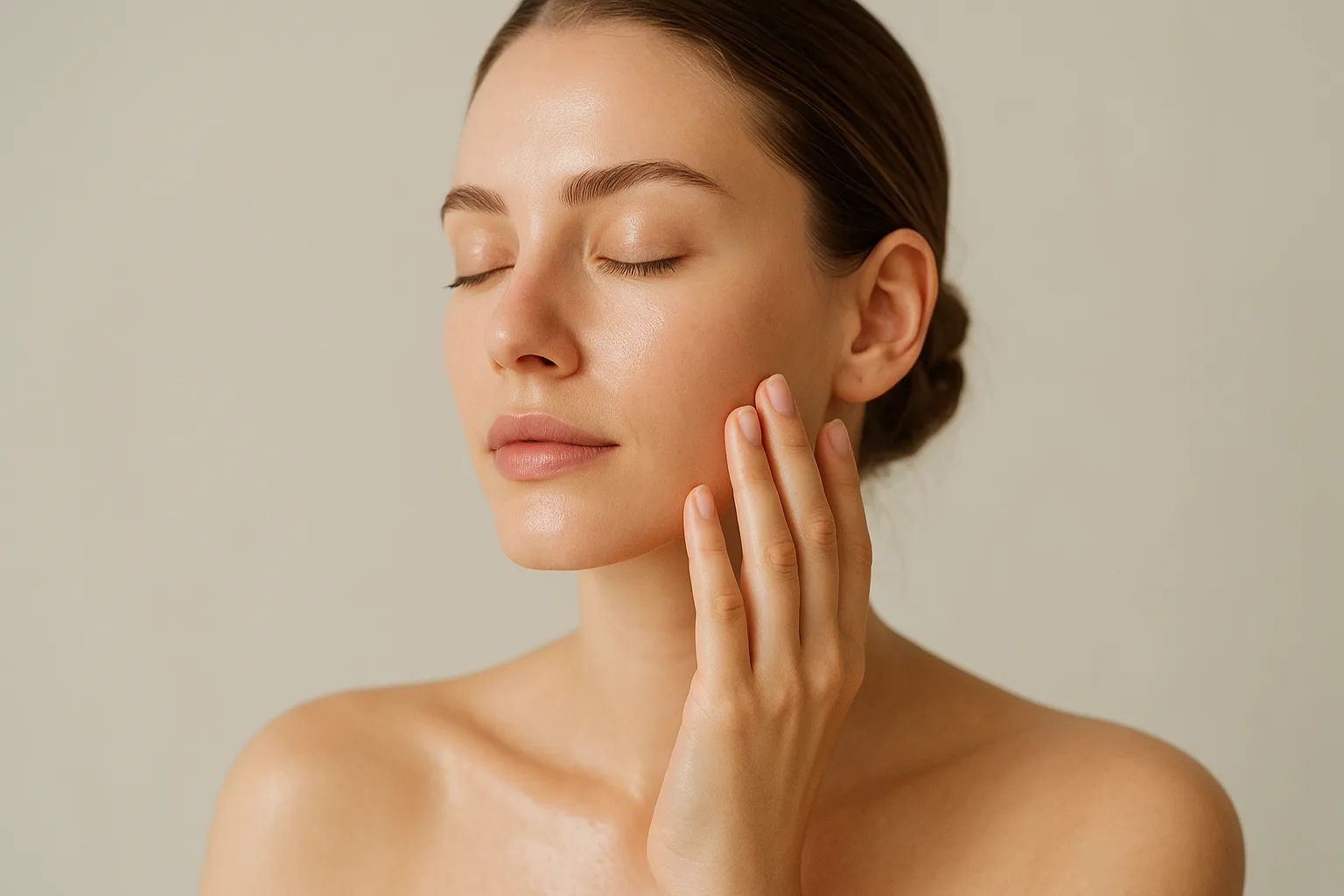
Cooling Skincare: The Soothing Trend
Modern life often feels like a constant siege on the skin. Pollution clogs pores, blue light from screens sparks irritation, and stress hormones can flare up redness overnight. Dermatologists agree these environmental pressures are making sensitivity a near-universal experience. Cooling skincare has emerged as a direct response to this shift. This isn't a fleeting fad; it is a sensory evolution in how we manage reactive complexions.
Cooling formulations deliver an immediate drop in perceived temperature. Whether through menthol derivatives or peptide chills gliding across flushed cheeks, the sensation alone helps quiet the chaos of a flare-up. Beyond the initial relief, these products tackle chronic inflammation at the cellular level. Research suggests they quiet overactive pathways that keep skin in a state of perpetual alarm, allowing redness to fade and the protective barrier to rebuild.
What sets this movement apart is the synergy between science and sensory experience. Traditional anti-inflammatories can sometimes feel clinical—heavy creams or dry powders that require significant patience. Cooling skincare engages the senses immediately. That first touch provides a hook of comfort, while the lasting repair work keeps the skin balanced and resilient against daily demands.
Textures are innovating rapidly, moving toward gel bursts and mist clouds that evoke a sense of refreshment. For urban dwellers juggling commutes and deadlines, these products promise a moment of calm. Because heat waves, harsh cleansers, and over-exfoliation are common triggers for sensitivity, this category serves as a necessary antidote. Users frequently report calmer complexions and more even skin tones after consistent use.
Dermatologists highlight the versatility of these ingredients across all skin types. Dry skin receives hydration while chilling, oily skin can be mattified without stripping, and acne-prone complexions benefit from reduced heat and swelling. Cooling is no longer a luxury add-on; it is becoming a core step for maintaining a thriving, vital appearance.
What Are Cooling Skincare Ingredients?
Cooling skincare ingredients provide the refreshing rush found in modern gels, mists, and creams. They mimic the sensation of pressing a cold stone to flushed skin, utilizing specific compounds to trigger a "chill" response. Traditional stars include menthol and peppermint oil. These plant-derived powerhouses have long ruled the scene; menthol, derived from mint leaves, triggers a sharp tingle, while peppermint provides a brisker bite.
However, formulators have evolved beyond these classics. High concentrations of mint can sometimes irritate sensitive skin or evaporate too quickly. The new wave of ingredients leans toward gentle, sustained relief. Glacier water extracts, sourced from mineral-rich melts, infuse formulas with subtle hydration. Peptide coolers take it further; these lab-crafted molecules bind to skin receptors for a prolonged sensation without the potential burn of essential oils. Research suggests they soothe inflammation while locking in moisture for hours.
At the heart of this process lies TRPM8, a receptor on skin cells. Cooling ingredients activate it like a key in a lock, signaling the nerves that the skin is cold, even at room temperature. This pathway effectively calms redness and puffiness without the physical shock of ice packs.
Modern brands prioritize long-lasting calm over fleeting sensations. While early mint-heavy products often left dryness behind, today’s options layer in humectants and barrier-repair agents. Glacier extracts are frequently paired with hyaluronic acid for dewy hydration, while peptide blends team with ceramides to repair the skin surface. This makes cooling inclusive for even the most reactive skin types.
Key players in the current market include:
- Menthol: Provides a quick, classic tingle from mint essence.
- Peppermint oil: Offers a bolder refresh, best used on robust skin.
- Glacier water extracts: Delivers mineral-rich cooling with deep hydration.
- Peptide coolers: Engineered for enduring relief and barrier repair.
The Science of Skin Relief
The instant chill from a cooling product does more than just feel good; science explains why it is an effective tool for relief. When these ingredients target the TRPM8 cold receptors, they fire off signals that dial down overactive nerves. This mechanism essentially hits the brakes on the nerve pathways responsible for itching and irritation.
Furthermore, cooling helps slash cytokine levels—the proteins that fuel redness and puffiness. In controlled studies, skin exposed to cooling agents showed lower markers of inflammation after UV stress or barrier disruption. The effect is not just immediate; it helps the skin heal more efficiently. By calming the nerves, cooling prevents the inflammatory cascade from escalating. This allows blood flow to be managed in a controlled way, delivering nutrients while whisking away debris.
This nerve-focused relief mirrors the rising neurocosmetics movement. Much like the neurocosmetics skincare trend, cooling treats the skin as a sensory organ. Overstimulated nerves contribute to premature aging, and cooling intervenes directly to ease these stress signals.
Barrier health specialists favor this approach for post-procedure skin, rosacea flare-ups, or heat rashes. Applying a cooling layer can shorten recovery timelines by keeping the skin plump and smoothing out fine lines caused by dehydration. It is a proactive way to manage a reactive environment.
Top Cooling Actives
Several key actives are driving the efficacy of this trend:
Allantoin leads the pack for gentle soothing. It calms irritated skin by promoting cell regeneration and reducing heat through its humectant properties. It is highly compatible with other actives like hyaluronic acid, making it easy to layer into any routine.
Cucumber ferments bring a fresh, biotech-driven chill. Fermentation unlocks bioactives from the cucumber, amplifying antioxidants and enzymes. These create a cooling sensation via volatile compounds that evaporate on the skin, mimicking a cold compress while depuffing the face.
Bio-engineered menthyl lactate offers a significant upgrade over traditional mint. Lab-crafted from menthol derivatives, it provides a crisp sensation that lasts for hours without the typical sting. It is highly stable in creams and sprays, making it a favorite for clean beauty formulations.
Niacinamide hybrids fuse barrier-strengthening magic with cooling agents like menthyl PCA. These multitaskers regulate oil, fade dark spots, and chill redness simultaneously. You can learn more about how this ingredient functions in our guide to niacinamide as a skincare multitasker.
These actives transform cooling from a sensory gimmick into a functional staple. They allow for lightweight, fast-absorbing formulas that fit every skin story, particularly for those dealing with chronic inflammation.
Benefits for Sensitive and Inflamed Skin
Sensitive skin requires gentle intervention, and cooling skincare targets inflammation at its core. For those managing rosacea, eczema, or the aftermath of dermatological procedures, these ingredients offer a necessary reprieve.
In the case of rosacea, which flares with heat and stress, cooling actives encourage vasoconstriction. This causes blood vessels to tighten slightly, which dials back persistent redness. This mechanism provides quick visual relief and quiets the nerves to reduce the itch-scratch cycle. For a more comprehensive approach, see our rosacea complete guide.
Eczema sufferers also benefit, as cooling soothes the burning sensation associated with dry, cracked patches. Over time, these ingredients help strengthen the skin barrier, locking in moisture to fend off environmental assaults. Consistent use builds resilience in fragile skin, as detailed in our eczema and dermatitis skincare guide.
Post-procedure care is another area where cooling excels. After lasers or microneedling, the skin often feels hot and swollen. Cooling cuts through this discomfort, dropping redness and speeding up the visible healing process. Because tighter vessels mean less fluid loss, the skin remains plump rather than becoming dehydrated during the recovery phase.
Cooling Skincare vs. Traditional Calmers
Cooling skincare builds upon the foundation laid by classics like aloe vera, centella asiatica, and thermal spring water. Aloe vera is prized for its mucilaginous gel that eases sunburn, while centella supports barrier repair through compounds like madecassoside. Thermal spring waters offer a mineral-rich instant calm.
Modern cooling formulations take these benefits further by incorporating temperature-lowering agents that provide an immediate biophysical action. While traditional calmers work gradually, cooling tech provides an instant signal of relief to the brain while constricting blood vessels to curb histamine release.
| Ingredient/Type | Irritation Potential | Duration of Relief | Key Benefit | |-----------------------|----------------------|--------------------|------------------------------| | Aloe Vera | Low | Short (1-2 hours) | Quick hydration burst | | Centella Asiatica | Low | Medium (4-6 hours)| Barrier strengthening | | Thermal Spring Water | Low | Short (30-60 min) | Mineral-based instant calm | | Cooling Skincare | Low | Long (6+ hours) | Sensory + biophysical chill |
This evolution is essential for maintaining a healthy surface, as explored in our guide to repairing your skin barrier. Users often find they can rely on fewer layers because the cooling effect provides such sustained comfort.
Building a Cooling Routine
Integrating these elements into a daily regimen is straightforward. In the morning, a cooling toner can be patted onto the skin post-cleanse to prep the face with hydration. Following this with a cooling serum allows for targeted relief before finishing with moisturizer and sunscreen.
Evening routines can focus more on recovery. After cleansing, a cooling serum or a weekly cooling mask can tackle the heat accumulated throughout the day. These masks are particularly effective for overnight repair, as they amplify soothing benefits without requiring a daily time commitment.
When layering actives, cooling bases can act as a buffer for stronger ingredients like retinol. Applying a cooling serum before or after a treatment can minimize dryness and irritation. For those using peptides to firm the skin, a cooling toner provides a perfect starting point; see our peptides skincare guide for more pairing ideas.
Personalization is key to success. Using an AI skin analysis tool like Lumino Skin can help identify whether your skin is prone to heat or dryness, allowing for a more tailored selection of products. Tracking changes over a two-week period will help you see how the cooling effect stabilizes your complexion.
Who Benefits Most?
While cooling is universally refreshing, certain groups gain the most from these trends. Sensitive skin types, which flush easily due to weather or stress, find the most immediate value in temperature-regulating ingredients.
Acne-prone skin also finds solace here. Breakouts often bring heat and swelling; a cooling gel soothes this discomfort without clogging pores. Similarly, menopausal skin, which often faces hormonal heat and night sweats, benefits from products that hydrate while countering the "flush" response.
Using the Baumann Skin Types system can help refine your choices. Cooling is particularly effective for Sensitive Dry or Sensitive Oily subtypes. You can find your specific match by understanding the Baumann Skin Types. Whether you are a teenager dealing with inflammatory acne or an adult managing rosacea, matching the cooling active to your specific profile ensures the best results.
Future Innovations
The future of this category extends beyond facial care. We are seeing the rise of cooling bodycare for post-workout recovery and scalp treatments that calm irritated follicles. Technology is also playing a larger role, with device-synced mists that can detect rising body temperature and release a cooling veil automatically.
Sustainability is also a major focus. Brands are moving toward eco-friendly cooling agents derived from algae, bamboo, and upcycled fruit peels. These ingredients provide the desired chill without the environmental strain of synthetic alternatives.
Biotech is pushing cooling to cellular levels, with lab-engineered peptides that mimic the skin's natural chill response. This aligns with the broader skin longevity trends that emphasize restoration over mere temporary relief.
The Bottom Line
Cooling skincare provides a necessary balance in a world of environmental stressors. By combining immediate sensory relief with long-term barrier support, these products help the skin rebound from damage and maintain a state of calm.
Consistent use not only strengthens the skin's defenses but also encourages a more disciplined routine—after all, it is easier to stick to a regimen that feels like a spa treatment. As formulations continue to advance, the focus remains on harmony and resilience. By making cooling a baseline in your routine, you allow your skin to thrive with clarity and ease, turning a temporary trend into a lasting habit of health.
Drafted using Lumino AI.
This content is for informational purposes only and is not medical advice.
Learn how we review skincare guidance in our methodology.
Last updated: March 8, 2026
Written by
Lumino AI