Facial Massage Skincare: What Actually Works
Morning puffiness can make an otherwise solid routine feel like it is working against you. Puffy lids, a gray-looking complexion, and a jaw that feels tight can make skin look tired before the day has even started. Stress, salt, sleep position, dehydration, allergies, and genetics can all leave the face looking heavy. The mirror can feel unforgiving, especially when skincare is waiting to be applied.
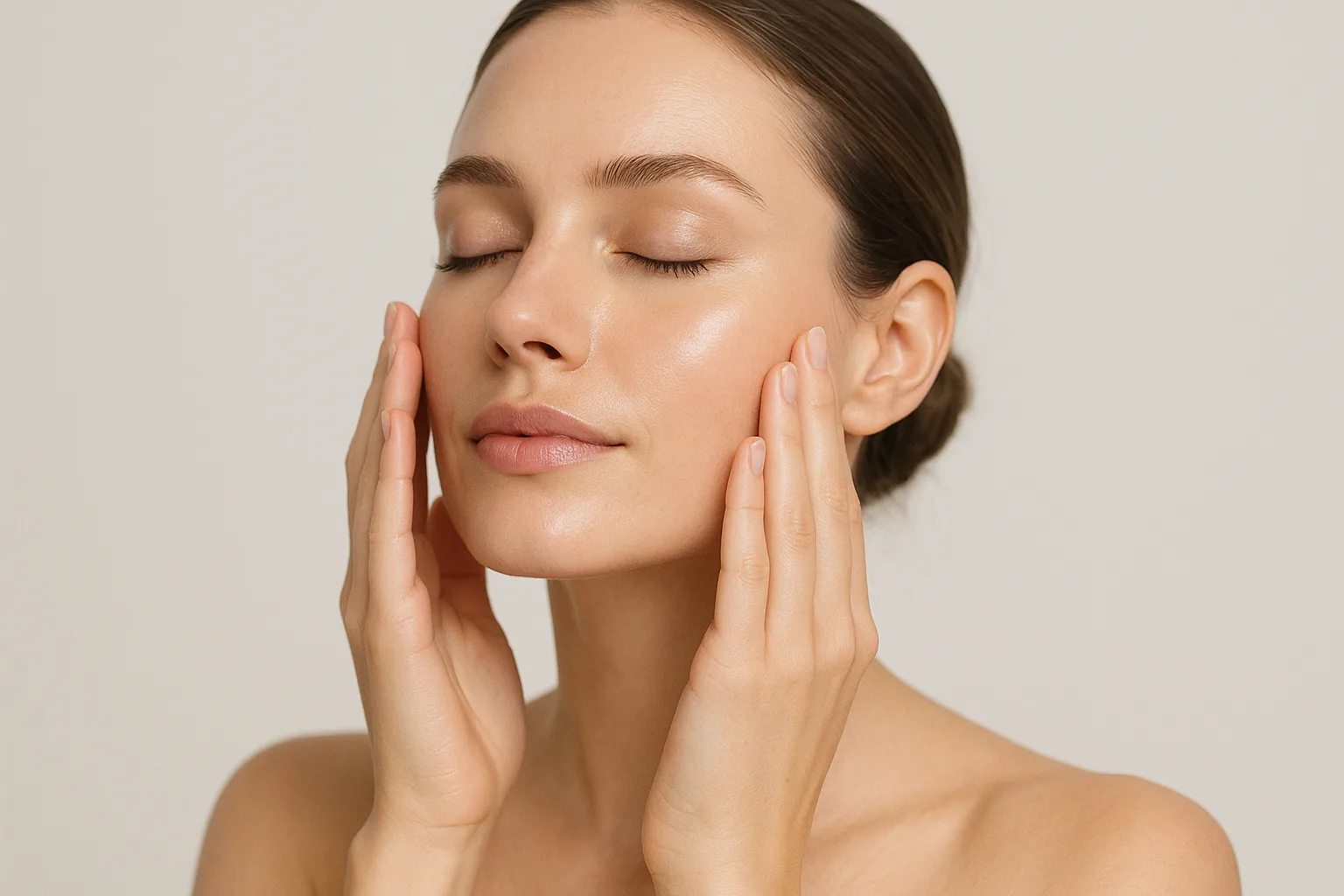
Facial massage skincare has become popular because it is low-effort, low-cost, and easy to repeat. A few minutes with clean hands, a gua sha tool, or a roller can feel like a reset. It may support a fresher look through better circulation, temporary fluid movement, and a calmer nervous system. Those effects are real, even when they are short-lived.
Research suggests gentle facial massage may support circulation and lymphatic flow, both of which can affect how the face looks for a short window of time. Better blood flow can bring a fresher, more awake appearance. Encouraging lymphatic movement may help reduce temporary fluid buildup, which is why many people notice softer-looking cheeks, less puffiness around the eyes, and a calmer jawline after consistent use. Relaxation matters too. When the muscles in the face and neck soften, tension lines can look less obvious, and the complexion can seem more lifted simply because the skin is not being held in a tight, guarded position.
Facial massage is a support tool, not a substitute for the basics. It does not reshape bone, permanently change facial contours, melt fat, erase deep wrinkles, shrink pores, or clear acne on its own. Cleansing, moisturizing, sunscreen, and targeted treatments such as retinoids, vitamin C, or prescription options create lasting changes in skin health. Massage can improve how skin looks and feels, especially when stress and fluid retention are part of the problem.
The hype gets fuzzy when facial massage is sold as a replacement for skincare science. Too much pressure, harsh scraping, or aggressive daily techniques can irritate the skin, worsen redness, or make sensitive skin feel reactive. The goal is consistency, gentle technique, and realistic expectations.
This guide separates the quick cosmetic boost from the changes that take time. First, it defines facial massage and the tools people use most often. Then it looks at what the evidence suggests for puffiness, circulation, elasticity, lymphatic drainage, safety, and tracking progress over time.
What Facial Massage Skincare Actually Involves
Facial massage skincare means using hands, tools, or devices to gently move the skin and soft tissue of the face. It is a gentle practice that may help the skin feel calmer, smoother, and more awake. It is not a quick facial contouring trick.
Gua sha is a specific type of facial massage that uses a smooth-edged tool, often made of stone, to glide across the skin. Traditionally, gua sha involved scraping. Modern facial gua sha is usually gentler and is often used on the forehead, cheeks, jaw, and neck with light pressure and slow strokes.
Jade rolling is another popular tool-based practice. A small roller, traditionally made of jade or another stone, is rolled across the face to spread product, encourage relaxation, and create a soothing massage effect.
Manual lymphatic drainage is more specific. It uses very light, rhythmic strokes aimed at encouraging fluid movement near the surface of the skin. The idea is to support the body’s lymphatic system, which helps move fluid and waste through the body. For the face, this can mean a temporary reduction in the look of puffiness, especially in the morning or after a salty meal, a long flight, or a night of poor sleep.
The effect can be real, but it often shows up as a feeling first. Massage can improve circulation for a short time, soften the look of tension, and leave the skin looking brighter and more relaxed. That glow is not fake. It is just often temporary. The skin may look more hydrated because product is spread evenly and the massage encourages a little extra blood flow. The face may look a bit more lifted because fluid has shifted and the muscles have relaxed.
That is different from deeper biological change. Facial massage will not replace sunscreen, medical treatments, or a strong skin barrier routine. Massage may support circulation and relaxation, and consistent basics matter more for long-term skin health. If the goal is clearer, stronger, better-functioning skin, start with the foundation: daily sunscreen, gentle cleansing, moisturizers that support the barrier, and treatments chosen for the concern at hand.
Before looking at what massage can do for puffiness, circulation, and elasticity, it helps to separate the quick cosmetic boost from the changes that actually take time.
What the Research Says About Puffiness, Circulation, and Elasticity
Research on gua sha, jade rollers, and facial massage offers a useful reality check. These tools can support a fresher-looking complexion, especially when they are used consistently and with gentle, repeated strokes. The evidence also places massage in the wider context of skincare: results rarely come from one tool alone. Massage works best alongside the basics, like cleansing, moisturizing, sunscreen, and a routine that matches your skin's actual needs.
Small studies comparing facial rollers and gua sha over several weeks have produced interesting results. Both techniques improved facial contours, which means participants did not simply imagine the glow-up. The face looked more defined, and the overall appearance became smoother and more lifted. The difference was in the details. Gua sha appeared to have more noticeable effects on muscle tone, which may explain why some people see a firmer-looking jawline or cheek area after regular use. Rollers seemed to lean more toward skin elasticity, likely because the rolling motion and cooling effect can temporarily support plumper, more resilient-looking skin.
Still, the studies are relatively small. That does not make them useless. It just means the evidence is promising, not final. Dermatologists agree that facial massage can be a helpful supportive practice, especially for puffiness and circulation, but it should be understood as gentle support, not a dramatic transformation. The best results tend to come from consistency, light pressure, and realistic expectations.
Puffiness can improve when massage encourages fluid movement, especially around the cheeks, jaw, and under-eye area. Circulation may look brighter right after a session, which is why the skin can appear more awake. Elasticity is trickier. Massage may help skin feel smoother and more supple, but true structural changes take longer and depend on factors like hydration, age, sleep, sun exposure, and overall skin health.
The practical takeaway is simple: facial massage works, but it is not magic. It can soften the look of puffiness, support a brighter complexion, and improve the appearance of facial contours over time. Because puffiness often overlaps with lymphatic fluid movement, the next section looks at when lymphatic drainage helps and where the detox claims go too far.
Lymphatic Drainage: Helpful for Swelling, Overhyped for Detox
The honest version: lymphatic drainage is real, but the internet has stretched it into a miracle story.
The lymphatic system is the body’s fluid drainage network. It moves excess fluid, supports immune function, and helps clear waste from tissues. When that system gets backed up, fluid can sit in the face, under the eyes, around the jaw, or in the hands and feet. That can create puffiness, heaviness, and a swollen look.
Manual lymphatic drainage can help in certain clinical swelling conditions, especially lymphedema. In that setting, it is usually done by trained therapists using very gentle, rhythmic movements to guide fluid toward areas where it can drain properly. This kind of massage can be useful when swelling is medical, persistent, or related to lymph flow issues.
For the face, the effect is usually subtler. A gentle massage may help move temporary fluid buildup, encourage a fresher look, and make the skin feel calmer. It can also feel good, and feeling relaxed can matter more than people give it credit for.
The problem is the word “detox.” When social media talks about “unclogging toxins” or “pulling impurities out of the face,” the claim gets much less precise. The lymphatic system does help with fluid balance and waste transport, yes. But the face is not sitting there full of overnight toxins waiting for a jade roller to sweep them away. That framing is catchy, but it is vague and much less evidence-based.
A fresher look after massage is still a real thing. It may come from gentle pressure, improved circulation, relaxed facial tension, and a bit less temporary fluid sitting in the tissues. If puffy under-eyes are part of the issue, it can be worth understanding the full picture, including sleep, allergies, pigmentation, and blood vessels. A deeper look at under-eye dark circles can help sort out which factors are actually driving the look.
The same goes for that tired, flattened, overworked face in the morning. Gentle lymphatic-style strokes may help with the puffiness side of things, while the rest of the routine needs to cover hydration, barrier support, sun protection, and realistic fatigue cues. For a broader plan, anti-fatigue skincare can be useful.
So yes, lymphatic drainage can be helpful for swelling. It does not magically detox the face. Once the purpose is clear, the next practical question is which tool helps you use it safely and comfortably.
Gua Sha vs. Jade Roller vs. Fingers: Which Tool Actually Matters?
The “best” facial massage tool is often the one you will actually use without overthinking it. Clean fingers, a jade roller, a stone roller, or a gua sha tool can all work when they are used gently and consistently. The real difference is less about the material and more about how well the tool helps you move product, relax tension, and support circulation without irritating the skin.
Clean fingers are the simplest option and they are underrated. They are always available, easy to clean, and gentle enough for daily use if you are careful. Fingers are great for applying moisturizer, sunscreen, oils, or actives while using light upward and outward strokes. They also let you feel the skin’s texture and pressure more directly, which helps prevent dragging. If you are building a basic routine, facial massage can fit easily into the steps you already know from a skincare routine for beginners, especially after applying a hydrating serum or moisturizer.
A jade roller or stone roller adds a cooling sensation and a smooth glide. It can feel spa-like, and that is part of the appeal. The weight and temperature may make the skin feel calmer, especially in the morning or after a stressful day. But the roller is not automatically better. If the pressure is too firm or the strokes are repetitive in the wrong direction, it can still pull on the skin. It works best with clean skin, a little slip from moisturizer or oil, and light pressure. It is also a nice pairing with calming ingredients like niacinamide, which is why it fits well into routines built around a niacinamide skincare multitasker.
Gua sha tools are the most technical of the three. They usually have angled edges, which can help with sculpting-style movements along the jaw, cheekbones, and forehead. But that same design means they need more care. A gua sha tool should glide, not scrape. If it catches, tugs, or leaves the skin red and angry, the pressure is too much or the product is not giving enough slip. Done correctly, it can feel relaxing and satisfying, especially around tight areas like the jaw and temples.
The material matters less than the method. Whether it is fingers, jade, stone, or another smooth tool, the goal is comfort, consistency, and gentle technique. A tool should create slip and calm, not friction and drama. If facial massage leaves the skin irritated, that is not a win, no matter how beautiful the tool looks on the counter.
Once the tool is chosen, technique matters more than the object itself.
How to Do a Gentle Facial Massage Routine Without Irritating Skin
Facial massage should feel calming, not like a workout for your face. The goal is to encourage a bit of circulation, help products spread evenly, and give your skin a few quiet minutes, not to sculpt, tighten, or “work out” the jawline. Start with clean skin and clean hands. If there is sunscreen, makeup, sweat, or oil sitting on the surface, the massage can turn into dragging instead of gliding.
Slip is everything. Dry hands over dry skin is asking for irritation. Use a few drops of facial oil, a richer moisturizer, a calming balm, or a gel-cream that lets your fingers move easily. If your skin is reactive, freshly exfoliated, or still rebuilding after overuse of actives, keep this simple and gentle. A barrier-focused routine can be a better fit before adding more stimulation. For that kind of reset, a guide like repairing the skin barrier can be a helpful place to start.
Use light pressure, more like resting your fingertips on the skin than pressing into it. Begin at the center of the face and move outward toward the hairline and ears. On the forehead, glide upward and outward. On the cheeks, move upward toward the temples. Along the jawline, use slow strokes from the chin toward the ear. The neck can be treated gently too, using upward motions from the collarbone toward the jaw.
Keep it short. Two to five minutes is enough for most people. Longer does not automatically mean better, especially if the skin is sensitive. If the massage starts to feel tugging, hot, stingy, or rough, stop. That is the skin saying enough.
Avoid aggressive scraping, hard gua sha pressure, or any technique that leaves the skin red, shiny, tender, or raw. Massage may support circulation and relaxation, and irritated skin barriers are more vulnerable. A gentle touch is usually the safest bet. Also skip facial massage over broken skin, active inflammation, sunburn, open blemishes, rashes, or areas that are peeling. If you are on a skin cycling routine with retinoids, acids, or exfoliating treatments, be extra careful. Skin cycling with actives explains why timing your routine matters, and massage should never be added on top of skin that is already showing signs of stress.
Think of facial massage as the soft landing at the end of your skincare routine, not a forceful treatment. A little pressure, a lot of slip, and a short session will do more for your comfort than trying to “get results” with intensity. If your skin ever feels angry after even gentle contact, that is a clue to pause and consider whether the next step is repair, rest, or professional advice. Because touch can either calm or irritate skin, knowing when to pause is just as important as knowing how to massage.
Who Should Skip Facial Massage or Get Medical Guidance First
Facial massage is usually gentle, but it is still pressure, heat, and friction on the face. For calm, healthy skin, that can feel relaxing. For irritated, damaged, or unstable skin, it can become a trigger.
Skip facial massage during active eczema or dermatitis. Those flares often mean the skin barrier is cracked, sensitive, and ready to complain. A light touch may sting, while more deliberate rubbing can increase burning, dryness, weeping, or a flare that lasts for days.
Rosacea flares are another reason to pause. Massage, warmth, and repeated touching can make flushing and redness worse. If rosacea is part of your routine, rosacea can help separate everyday redness from flare triggers, but during an active flare, the best move is usually repair and calm, not more stimulation.
Infected or cystic acne should also get a hard pass. Pressing, gliding, or trying to “work through” deep, painful bumps can spread irritation, worsen inflammation, and increase the chance of marks or scarring. How to get rid of acne is a better starting point for breakouts that keep coming back, especially when massage feels tempting because it seems like it might help the area move along.
Open wounds need the same respect. Cuts, razor nicks, cracked skin, active cold sores, or any broken surface should not be massaged. Even clean hands can add friction where the skin needs a quiet healing environment.
Recent procedures are another big one. After lasers, microneedling, chemical peels, injectables, or other clinical treatments, the skin may look normal while deeper layers are still recovering. Follow the aftercare instructions and wait for clearance from the clinician before adding massage tools or manual techniques.
Unexplained swelling deserves medical guidance before beauty routines. If puffiness is new, one-sided, painful, warm, or growing, do not massage it aggressively in an effort to “drain” it. Persistent redness, pain, lumps, or sudden asymmetry deserve professional evaluation rather than a beauty routine.
The rule is simple: if the skin is inflamed, broken, infected, recently treated, or behaving strangely, pause the massage. Calm skin can welcome touch. Troubled skin needs care first.
Tracking also matters. If puffiness, redness, texture, or dryness changes over time, it helps to compare the same areas under similar conditions. AI skin analysis can support that process by highlighting shifts that are easy to miss day to day.
How AI Skin Analysis Can Help Track Real Changes Over Time
Skincare routines can feel like a guessing game. A massage ritual may make the face look brighter right away, but that glow can come from better circulation, temporary fluid movement, or just the smoothing effect of product. AI skin analysis helps slow that guessing down.
The trick is consistency. Take photos in the same setting: clean skin, no makeup, similar lighting, same distance, and ideally the same time of day. Apps like Lumino Skin use image comparison to track subtle shifts across time, and the process is explained in more detail at how AI skin analysis works. Over a few weeks, those photos can reveal patterns that the mirror misses.
For a massage ritual, useful things to watch include redness, texture, hydration, fine lines, and dark spots. Redness may show whether the skin is becoming calmer or more reactive. Texture can reveal whether the skin feels smoother and looks more even. Hydration trends can show whether the routine is supporting the skin barrier. Fine lines may look softer after a good massage, but the real question is whether that improvement holds up week after week. Dark spots need extra patience, since they often change slowly.
This is where tracking becomes powerful. A single selfie after a massage can be misleading. A good AI analysis looks for trends. It can help separate a temporary “fresh face” effect from real progress, especially when the same areas are monitored over time. If redness drops, texture softens, or fine lines look less obvious after several consistent weeks, that is more meaningful than one flattering photo.
That does not mean AI replaces professional care. If a dark spot is changing, redness stays intense, bumps appear suddenly, or anything feels painful or unusual, dermatologist input matters. A helpful comparison guide is available at AI skin analysis vs. dermatologist. Think of AI as a useful companion for noticing patterns, not as a diagnosis machine.
Used well, AI skin analysis turns skincare into a clearer conversation with your own skin. You can see whether a massage ritual is quietly improving your baseline, or whether the results are mostly short-lived. That leaves the most practical question: how should facial massage fit into a routine without overpromising?
Realistic Benefits and Clear Boundaries
Facial massage skincare is best understood as a relaxing, low-risk add-on. It can feel amazing, it can calm the nervous system, and it can make the face look fresher right after a session. Gentle pressure and upward strokes may move fluid around, so morning puffiness can settle. A little more circulation, a calmer face, and a good moisturizer can give the skin a softer glow before makeup, even if the effect fades by the end of the day.
The more interesting promise is consistency. Regular facial massage may support the look of firmness, help skin feel smoother, and reduce the appearance of tension over time. That does not mean wrinkles will vanish or the jawline will remodel overnight. It means the practice can become a gentle ritual that keeps the skin cared for, the hands moving with intention, and the face less tense after a long day.
Still, the real skincare foundation is much less glamorous. Daily sun protection is the big one. For a clear starting point, a sunscreen and SPF guide can make the choice feel less random. Barrier support matters too, especially if the skin is sensitive, dry, or over-exfoliated. A gentle cleanser, a soothing moisturizer, and a careful approach to actives will do more for long-term skin health than any fancy massage tool.
Sleep is another piece of the puzzle. When rest is low, the skin often looks duller, puffier, and more tired, no matter how carefully the massage is performed. A sleep-focused routine can help set the stage for calmer skin and better recovery. Facial massage can be the final 5 minutes that make the ritual feel complete, but it cannot compensate for poor sleep, too much irritation, or skipping protection from UV exposure.
Professional care matters as well. If there is persistent acne, rosacea, pigmentation, pain, or sudden changes in the skin, a dermatologist or qualified skincare professional should be part of the plan. Massage is fine as a supportive habit, but it is not the place to push through stubborn skin concerns.
If you do massage, keep it simple. Start with clean skin and a slippery balm or moisturizer. Use light to moderate pressure, move upward and outward with control, and stop if anything feels sharp, painful, or irritating. A few minutes most days is plenty. Less is often better when skin is sensitive. The best routine is the one you can repeat without drama.
Facial massage belongs in the self-care corner, beside breathing, hydration, sleep, and a calm evening ritual. It may help you feel rested and look a little brighter right after. Those small wins are real. For lasting skin health, the evidence still points back to sunscreen, barrier support, smart actives when appropriate, and professional advice when needed. Massage can add warmth to the routine. The basics keep the skin standing.
Drafted using Lumino AI.
This content is for informational purposes only and is not medical advice.
Learn how we review skincare guidance in our methodology.
Last updated: July 20, 2026
Written by
Lumino AI