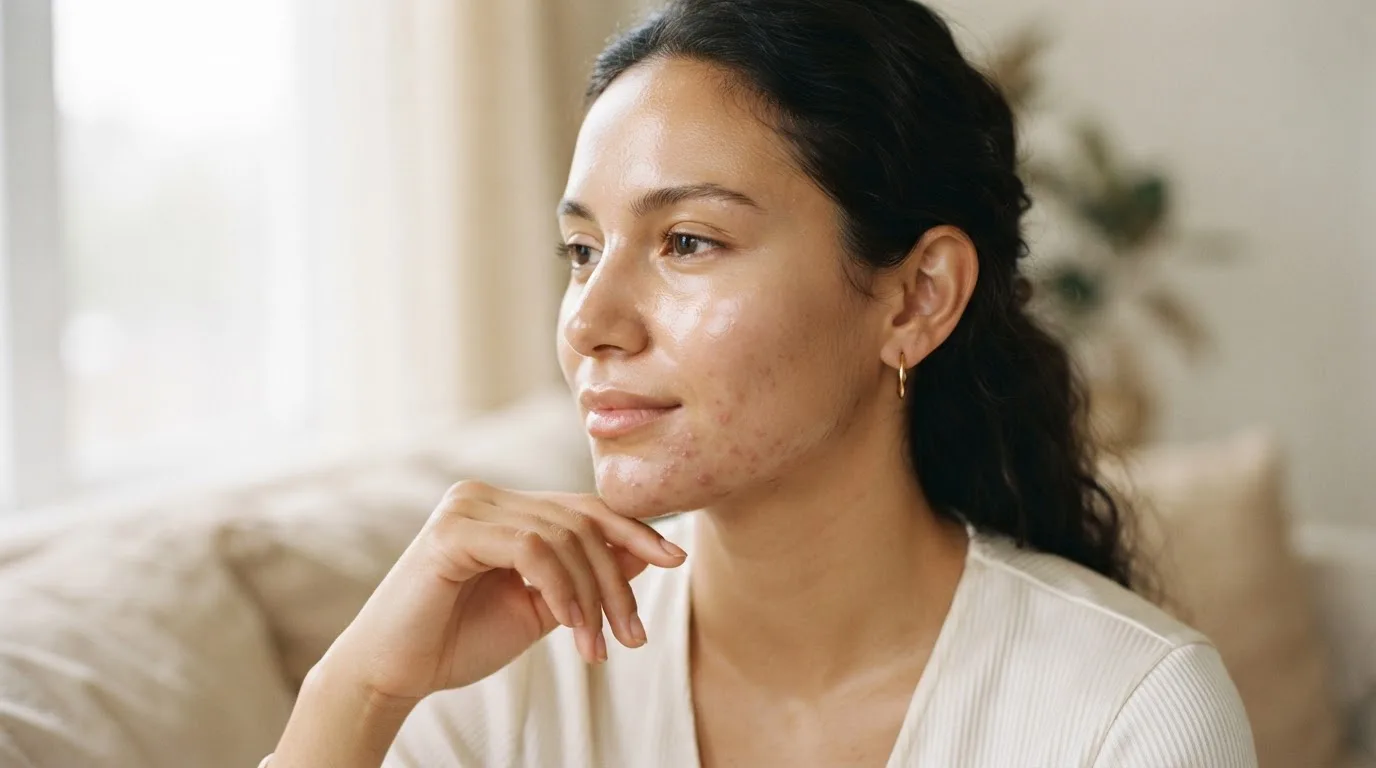
Hormonal Acne: Causes, Triggers, and Skincare Solutions
You survived your teenage years with clear skin. You followed the rules. You washed your face, avoided touching your face, and maybe even dabbled in a few spot treatments. Then your twenties hit. Or your thirties. Or your forties. And suddenly, without warning, a cluster of deep, painful bumps appears along your jawline. They settle into your chin like they own the place. You try your old go-to salicylic acid cleanser. Nothing. You switch to benzoyl peroxide. Still nothing. You might even wonder if you’re breaking out from stress, diet, or some mysterious new sensitivity.
Here’s the truth that often gets overlooked: this is hormonal acne, with a very distinct pattern. Dermatologists agree that the jawline and chin are the classic zones for hormone-driven breakouts. The reason is tied to how your body’s internal chemistry works. Fluctuations in androgens, cortisol, and estrogen can stimulate excess oil production and inflammation right in those areas. Your standard off-the-shelf acne products were designed for surface-level clogged pores. They don’t touch the deeper hormonal signals that trigger these bumps in the first place.
This is why so many adults feel frustrated. They survived the pimple-prone years without a mark, only to face a stubborn, recurring breakout pattern later in life. It feels unfair. It also feels resistant to everything you’ve tried. Salicylic acid alone rarely works because it only exfoliates the top layer of skin. It cannot regulate the internal shifts that cause the acne to form deep under the surface. You need a different approach. One that acknowledges the connection between your skin and your hormones.
The good news is that once you understand this link, everything changes. You stop chasing random products and start targeting the root cause. You learn to spot the signs early. You adjust your skincare routine to support your skin barrier instead of stripping it. And you realize that this kind of acne is manageable with the right knowledge.
Start by understanding what exactly hormonal acne is and why it happens. Because once you know the mechanism, you can finally choose a strategy that actually works.
What Is Hormonal Acne and Why Does It Happen
Hormonal acne often feels like your skin has a mind of its own. One week it’s calm, the next it’s staging a rebellion along your jawline. But there’s a reason for that unpredictability. Hormonal acne is driven by fluctuations in androgen hormones, mainly testosterone and DHEA-S. These hormones signal your sebaceous glands to pump out more oil, and they also speed up follicular keratinization, which is a fancy way of saying dead skin cells build up inside the pore faster than they can shed. Combine excess oil with sticky dead cells and you have the perfect clogged-pore recipe.
That’s what separates hormonal acne from other acne types. Bacterial acne tends to involve an overgrowth of C. acnes bacteria deep in already-clogged pores, while comedonal acne is mostly about whiteheads and blackheads from blocked pores. Hormonal acne is more of a system-wide signal. It’s your endocrine system talking to your skin, and the skin responds with inflammation and swollen, tender bumps. That’s why dermatologists often describe it as deep, cystic, and stubborn.
Hormonal acne also has a signature location. Teenage acne tends to pop up across the T-zone, forehead, nose, and cheeks. Hormonal acne in adults usually settles along the chin, jawline, and lower face. The breakouts are often deeper, more cystic, and more likely to leave lingering marks. If that sounds familiar, understanding the underlying inflammation is key. For a deeper look at how skin structure and barrier function play into this, check out the guide to understanding skin health. And if you want to know how inflammation ties into those red, swollen bumps, the skin inflammation guide breaks it down.
These core mechanisms set the stage. The real challenge is identifying the specific triggers that flip the switch. Below, the most common triggers are explained.
Common Triggers: Menstrual Cycle, Stress, and Life Stages
A closer look at common hormonal triggers starts with the one that affects millions of people every single month: your menstrual cycle. During the luteal phase, which spans roughly days 15 to 28 of your cycle, progesterone rises to prepare the body for a potential pregnancy. At the same time, testosterone levels shift relative to estrogen. This change signals your sebaceous glands to produce more oil. Your pores get clogged. Inflamed bumps appear a few days before your period arrives. It’s predictable, frustrating, and completely normal.
Then there’s stress. Chronic stress causes your adrenal glands to release cortisol. Cortisol doesn’t just make you feel wired and tired. It also stimulates your body to produce more androgens, the same hormones that drive acne in adolescence. Dermatologists agree this is one of the most overlooked drivers of adult acne. You can follow a perfect routine. You can avoid dairy and sugar. But if your cortisol levels stay high, your skin will keep reacting. That’s why sleep and exercise are so important. A good night’s rest lowers cortisol at its source. Physical activity helps regulate insulin and hormone balance, which is why health experts often point to the guide on exercise and skin as part of a full picture. Similarly, poor sleep directly impacts your skin’s ability to repair itself, something explored in the sleep and skin health guide.
Life stages bring their own hormonal shifts. Perimenopause and menopause lead to a steady decline in estrogen. When estrogen drops, the androgen-estrogen balance tips in favor of androgens. Acne that disappeared in your twenties can return in your forties and fifties. It’s a different kind of breakout, often deeper and slower to heal. The menopause skincare guide covers this transition in detail. Meanwhile, conditions like polycystic ovary syndrome or PCOS create a hormonal environment where androgens are chronically elevated. Women with PCOS often experience stubborn cystic acne along the jawline and chin, along with irregular cycles and excess hair growth.
Birth control can help or hurt depending on your situation. Starting a pill with estrogen typically suppresses androgen activity, which clears acne. Stopping it can cause a rebound, as your ovaries wake up and start producing testosterone again. Pregnancy brings its own rollercoaster. High progesterone keeps oil production elevated for months, causing breakouts in the first trimester before settling down later. Thyroid issues, both overactive and underactive, can also trigger acne by messing with your body’s hormone signaling. These triggers overlap in ways that can feel impossible to untangle.
Once triggers are identified, the next step is recognizing whether your own breakouts fit the hormonal pattern. Here’s how.
How to Identify If Your Acne Is Hormonal
Figuring out why your skin is breaking out can feel like detective work. You try every cleanser and spot treatment, yet nothing calms the angry bumps. That's because hormonal acne follows its own rules. Knowing what to look for makes all the difference.
The most telling sign is the type of breakouts you get. Hormonal acne shows up as deep, tender cystic bumps that sit under the skin. They often hurt to the touch. Surface whiteheads and small red pimples are less common in this pattern. Instead, you feel a firm, swollen area that takes days to come to a head, if it ever does.
Location matters too. Pay attention to where you break out. Hormonal acne loves the jawline, chin, and lower cheeks. If your blemishes cluster around those areas, hormones are a likely culprit. This distribution is distinct from other acne types. Fungal acne, for example, shows up as small, itchy bumps, usually on the chest and back. Comedonal acne is all about blackheads and whiteheads scattered across the T-zone. To dive deeper, check out the guide on fungal acne and malassezia.
For women, the timing of flare-ups is another strong clue. Hormonal breakouts often worsen in the week before or during menstruation. That cyclical pattern happens because androgen levels fluctuate and can increase sebum production. If your skin follows a monthly rhythm, hormones are likely pulling the strings.
Another red flag is resistance to standard treatments. Benzoyl peroxide and salicylic acid are effective for many superficial acne types. But they rarely make a dent in hormonal breakouts. Those ingredients work on the surface. Hormonal acne starts deeper, so you need a different approach. If your spot treatments seem useless, that's a message from your skin.
Sometimes the signs overlap, which makes diagnosis tricky. People also confuse hormonal breakouts with skin purging after starting a new active. It's easy to see why, but the timeline and pattern are different. You can learn how to distinguish the two here: skin purging vs breaking out.
That's also where AI skin analysis comes in. Lumino Skin uses algorithms to detect patterns of inflammation distribution across your face, something the eye might miss. It can identify whether your breakouts cluster in hormonal zones or follow another pattern. That insight gives you a clearer starting point for treatment.
Skincare Ingredients That Target Hormonal Breakouts
Now for the ingredients that actually work for hormonal acne. These aren’t harsh stripping agents designed for teenage breakouts. They’re smarter, more targeted, and they respect your skin’s delicate balance.
First up is azelaic acid. This ingredient is a multitasker and a true friend to hormonal acne. It fights bacteria, calms inflammation, and gently fades those dark marks left behind by old breakouts. It is especially good for adults because it does not cause the irritation or dryness that harsher actives can. If hyperpigmentation from past pimples bothers you, azelaic acid is one of the gentlest ways to even things out while keeping new bumps in check.
Niacinamide deserves a spot in your routine for completely different reasons. This vitamin B3 derivative helps regulate sebum production without stripping your skin. It’s also a powerhouse for supporting the skin barrier. That matters because when you’re dealing with inflamed hormonal breakouts, a compromised barrier makes everything worse. Niacinamide soothes redness and reduces oiliness over time. Many people find it works beautifully layered under moisturizer. For a deeper look at how it functions, check out the complete guide to niacinamide.
Then there are retinoids. These are highly effective for normalizing cell turnover. When your cells shed too slowly, pores clog easily, and hormones love that environment. Prescription retinoids like tretinoin are potent, but over-the-counter retinol can also make a real difference—with less irritation. The key is starting low and slow. Your skin needs time to adjust. The guide covers all necessary information for getting started in the retinol and retinoids guide.
Salicylic acid is your pore-cleansing sidekick. It’s a beta hydroxy acid that dives deep into pores to clear out the dead skin and excess oil that feed hormonal breakouts. Use it as a cleanser or toner a few times a week. It works well alongside other actives but shouldn’t be overused.
For those with sensitive hormonal skin, gentler options exist. Tea tree oil has natural antibacterial properties. Sulfur absorbs excess oil and calms inflammation. Both are less likely to cause the redness and peeling that stronger treatments can. They’re great starting points if your skin reacts to everything.
Here it’s important to discuss benzoyl peroxide. Many people reach for it because it’s strong and kills bacteria fast. But for adult hormonal skin, it can be too harsh. It often strips the moisture barrier, leaving skin dry, tight, and more prone to irritation. That irritation can actually worsen breakouts over time. Hormonal skin needs barrier protection. It’s non-negotiable when you’re using any active ingredient on inflamed skin. Always pair your treatments with a good moisturizer, and check your other products for potential pore-cloggers using the comedogenic ingredients guide.
Once you have the right ingredients, the next step is assembling them into a consistent routine. Below is a daily regimen tailored for hormonal acne.
Building a Skincare Routine for Hormonal Acne
Building a skincare routine for hormonal acne doesn’t mean attacking your skin into submission. It means working with it, even when it feels like your skin is working against you. Hormonal breakouts are driven by internal shifts, so your external approach needs to be steady and kind rather than aggressive. The goal is a routine that calms inflammation, supports your barrier, and delivers the right actives without overwhelming your face. Here is a complete AM and PM template you can adapt to your own rhythm.
Your AM routine starts with a gentle cleanse. No foaming sulfates, no stripping gels. A milky or cream cleanser that removes overnight oil while leaving your skin’s protective layer intact. Pat dry. Then comes your targeted treatment. Two standout options here are azelaic acid and niacinamide. Azelaic acid is fantastic for fading post-acne marks and calming redness while fighting bacteria. Niacinamide is a workhorse that regulates oil production and strengthens the barrier. Pick one, not both at once. Follow with a lightweight moisturizer. Look for something with ceramides or squalane, something that hydrates without heaviness. And then, non-negotiable, sunscreen. A broad-spectrum SPF 30 or higher, preferably mineral or a cosmetically elegant hybrid. This step isn’t optional. UV exposure inflames acne and darkens scars. If you’re still hunting for a sunscreen you’ll actually wear, check out the guide on building your perfect skincare routine for more on that.
Your PM routine begins with double cleansing. Start with an oil-based cleanser to dissolve sunscreen, makeup, and excess sebum. Then follow with your same gentle water-based cleanser. This two-step method ensures pores stay clear without over-cleansing. Next, treatment. For most people with hormonal acne, a retinoid is highly effective. Retinoids speed cell turnover, prevent clogged pores, and reduce inflammation over time. Start slow, two or three nights a week, and always sandwich it between moisturizer layers if your skin feels sensitive. If you’re not using a retinoid, azelaic acid is a solid alternative. It works well for inflamed bumps and is gentler on sensitive or reactive skin. Finish with a barrier-repair moisturizer. Look for ingredients like ceramides, panthenol, fatty acids, or shea butter. A richer texture here helps your skin recover overnight. If you feel your barrier is compromised, read the dedicated piece on repairing the skin barrier for targeted advice.
Here’s the most important caution: avoid over-exfoliating. Hormonal skin is already inflamed. A compromised barrier only makes breakouts worse because bacteria and irritants can penetrate more easily. Many people make the mistake of layering multiple actives in the same routine, thinking more equals faster results. It doesn’t. It equals redness, peeling, and more breakouts. Stick to one active per routine. Your morning treatment and your evening treatment can be different, but don’t stack two or three actives into one step. If you’re new to building a routine, start with the basics and add actives slowly. The beginner’s skincare routine guide can help you get the foundation right.
A routine alone isn't enough. Lifestyle factors reinforce or undermine the progress. Here's how to support your skin from the inside.
Lifestyle Factors That Influence Hormonal Acne
You already have your skincare routine down. You’re cleansing, moisturizing, maybe even using a retinoid. But those breakouts keep showing up around your chin and jawline. That’s your cue to look beyond the bottle. Hormonal acne is deeply tied to what’s happening inside your body, and your daily habits can either calm the storm or fan the flames.
Food plays a role too. Certain dietary choices can quietly worsen inflammation, so adjusting those choices can help. High glycemic foods like white bread, sugary drinks, and pastries cause a rapid spike in insulin. That spike triggers your body to produce more androgens, the hormones that rev up oil production. The result? Clogged pores and angry breakouts. Swapping in whole grains, legumes, and vegetables helps keep blood sugar steady. Dairy is another common trigger. Research suggests that milk and dairy products can raise levels of insulin like growth factor 1 (IGF 1) and introduce bovine hormones that mimic our own. For some people, cutting back on milk or switching to unsweetened plant based alternatives makes a noticeable difference. On the flip side, anti inflammatory foods can support your skin. Omega 3 fatty acids from salmon, walnuts, and flaxseeds help calm systemic inflammation. Zinc rich foods like pumpkin seeds, chickpeas, and oysters also play a role in regulating sebum and healing breakouts. Small, sustainable shifts are key.
Sleep is just as critical. When you skimp on rest, your body produces more cortisol. That stress hormone throws your entire endocrine system out of balance, encouraging more androgen activity and more acne. Chronic sleep deprivation also weakens your skin barrier and slows repair. Aim for seven to nine hours of quality sleep. That consistent rest helps your body regulate its natural hormone rhythms and gives your skin time to heal overnight.
Stress management ties it all together. High stress levels keep cortisol elevated, which directly aggravates hormonal acne. Regular exercise lowers cortisol and boosts circulation. It’s a powerful tool. Just remember to cleanse your skin soon after a workout. Sweat can trap bacteria and oil against your face, leading to breakouts. A gentle rinse or a quick cleanse with a mild foaming wash is all you need. Yoga, walking, or even deep breathing for five minutes a day can make a real difference.
Your lifestyle choices feed directly into the hormone skin axis. And when you support that axis with balanced meals, good sleep, and stress relief, your topical routine works even better. If you’re curious about how glycation and advanced aging affect skin health, the guide on anti glycation skincare explains the invisible damage sugar can cause. And if you’re considering supplements, the science behind collagen supplements for skin might surprise you. Finally, a healthy skin microbiome is essential for keeping breakouts at bay. You can read more in the skin microbiome guide.
Lifestyle adjustments support your skin, but some cases require professional intervention. Here's when and how to seek help.
Treatment Options Beyond Topicals: When to Seek Help
Here’s the thing about hormonal acne: sometimes your carefully built routine just isn’t enough. You’ve tried the cleansers, the serums, the spot treatments. Your skin still breaks out around your chin and jawline, right on schedule. That’s your cue to stop guessing and start talking to a professional. A dermatologist can look at your whole picture. And they have tools that go far beyond what you can buy at the store.
Oral treatments often become part of the conversation. Spironolactone is a common one. It works by blocking androgen receptors, which means the hormones that trigger your oil glands can’t do as much damage. It is not a quick fix, but many people notice significant improvement within a few months. Oral contraceptives are another popular route. They help by regulating your hormone cycles, smoothing out those fluctuations that cause breakouts. For short-term, severe inflammation, oral antibiotics can calm things down quickly, but they’re usually not a long-term plan. Your doctor will want to address the root cause, not just mask the flare.
There are also gentler options worth mentioning. Spearmint tea has been gaining attention for its mild anti-androgenic effects. Studies indicate it may help lower free testosterone levels, which could translate to fewer breakouts. It’s not a dramatic treatment, but for some people, it’s a soothing ritual that supports their efforts.
If your acne is severe, persistent, and resistant to other treatments, isotretinoin might come up. It’s often known by the brand name Accutane. This is a powerful medication with real side effects, so it requires careful monitoring. But for many, it’s a potent option for severe cases. Dermatologists reserve it for the toughest cases, and when it works, the results can be life changing.
Throughout this process, tracking your skin objectively makes a huge difference. This is where AI skin analysis enters the picture. Tools like Lumino Skin can help you document your progress over time, spotting patterns you might miss in the mirror. Instead of relying on memory, you bring clear, objective data to your dermatologist appointments. That supports better conversations and more confident decisions. You can see what’s actually changing and what isn’t, which helps you and your doctor adjust the plan together.
If you’re wondering whether prescription options are worth the cost and potential side effects, check out the breakdown of over-the-counter versus prescription treatments. And for a deeper look at how these choices compare, the guide on costs, side effects, and timelines is a helpful starting point. AI analysis isn’t a replacement for a dermatologist. It’s a bridge that makes your visits more productive.
Knowing when to seek help is a form of self-care. Your skin is complicated, and you don’t have to figure it out alone. When home care hits its limit, a professional can help you step up with confidence. And after your skin starts clearing, the article will discuss how to maintain clear skin for the long run.
The Bottom Line
Here’s a thought: if your skin has been breaking out around your jawline or chin, chances are you’ve already blamed your cleanser, your moisturizer, maybe even your pillowcases. But hormonal acne is a biological response to internal shifts. Estrogen, progesterone, and testosterone: these substances rise and fall in patterns your body has followed for years. When they tip out of balance, your sebaceous glands get the signal to produce more oil, and that oil sets the stage for breakouts. It is simply how your body works.
The right approach respects that reality. Instead of attacking every individual pimple with harsh exfoliants or drying masks, the right approach uses ingredients that speak to the underlying mechanism, such as retinoids, niacinamide, and balanced salicylic acid, while avoiding harsh exfoliants and drying masks. But just as important is barrier respect. Harsh stripping triggers rebound oil production and more irritation, which makes hormonal acne worse. Gentle cleansing, soothing moisturizers, and ingredients like ceramides or panthenol keep your skin resilient enough to handle active treatments.
Lifestyle adjustments play a role too. Stress raises cortisol, which can amplify androgen activity. Sleep supports hormone regulation. A diet low in high-glycemic foods and dairy may help some people, though research suggests the effect varies widely. Keep what works for you, let the rest go. And know when it’s time to bring in a professional. A dermatologist or endocrinologist can identify conditions like PCOS or prescribe spironolactone or oral contraceptives that directly address hormonal fluctuations. Seeking that help is a smart, self‑aware move.
Here’s the hard truth: hormonal acne doesn’t vanish overnight. It follows your cycles, which means improvement happens over several months, not days. Patience isn’t just a virtue—it’s a necessity. You’re not failing because your skin hasn’t cleared in two weeks. You’re working with a system that moves on its own timeline. The goal is to build a sustainable routine that works with your body, not against it. Understand the root cause instead of fighting every angry spot. That mindset shift changes everything. You stop obsessing over the mirror and start trusting the process. And eventually, your skin will catch up.
Drafted using Lumino AI.
This content is for informational purposes only and is not medical advice.
Learn how we review skincare guidance in our methodology.
Last updated: October 15, 2026
Written by
Lumino AI